
Carmakers Secure Crucial Reprieve in £11bn Motor Finance Redress Battle
UK car manufacturers are poised to mitigate a significant financial blow from the City regulator's upcoming redress scheme for the motor finance scandal, following relentless lobbying efforts. Captive lenders, the in-house financing arms of automakers, have been granted some relief by the Financial Conduct Authority (FCA) after warnings that the scheme could severely hamper investment in the UK economy.
FCA Delays and Industry Pressure
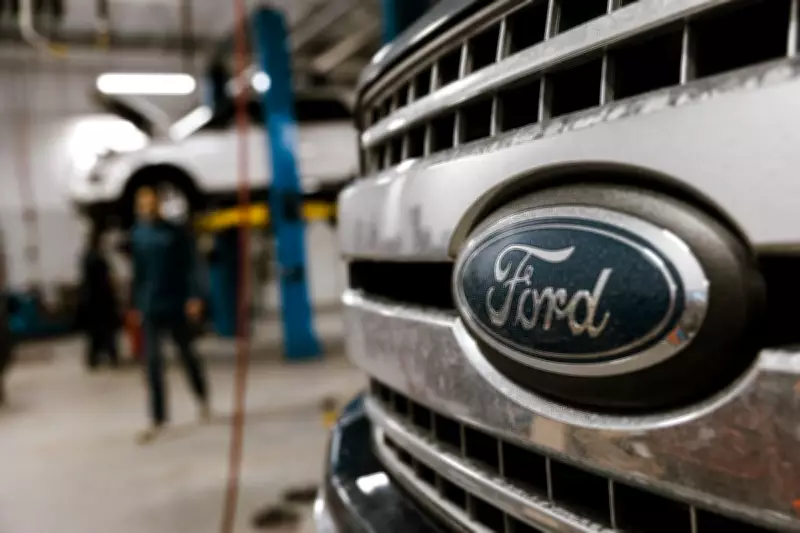
The FCA was compelled to postpone the deadline for its car finance redress scheme last year as opposition from both consumers and lenders intensified against the £11bn proposal. Under the initial plan, the financial subsidiaries of carmakers were expected to bear 47 per cent of the redress owed to borrowers, amounting to approximately £5.2bn. Major automakers have already set aside provisions through their financial arms in anticipation of the hit, with BMW facing £200m, Mercedes-Benz £423.8m, and Ford £61m in potential liabilities.
Ford has sought a meeting with Chancellor Rachel Reeves as tensions escalated over the scheme's economic consequences, highlighting the high stakes involved. The motor finance dispute centres on discretionary commission agreements (DCAs), which were secret commissions paid by lenders to car dealerships. This battle reached the Supreme Court last year, where banks received a lukewarm victory, but the court left room for a regulatory redress scheme to be implemented.
Carmakers Challenge Key Provisions
Carmakers have pushed back against one of the three key areas of the redress, as first reported by the Financial Times. They argue that their loans should not be classified as "tied agreements" because the low interest rates they offer are merely incentives for consumers to purchase vehicles, not inherently unfair practices. The FCA has responded cautiously, stating, "We're carefully considering feedback and decisions on final scheme rules have not been taken."
Across the industry, lenders and consumers have voiced strong opposition to the regulatory proposals. Santander UK skipped its third-quarter results on October 29, citing "uncertainty" surrounding the FCA's redress scheme. Spain's largest lender criticised the City watchdog, warning of "potential implications" due to the scheme differing in "important respects from the Supreme Court's ruling."
Industry Leaders and Parliamentary Criticism
Charlie Nunn, chief executive of Lloyds, emphasised the severe impact, stating, "When you look at the implication of what's been proposed by the FCA, it's going to potentially take 20 years of profitability off the car finance industry." On the other side, the All-Party Parliamentary Group on Fair Banking accused the regulator of creating a "£4.4bn gap" in the proposed scheme and being "influenced by the profit margins of the lenders."
The full details of the FCA's motor finance redress scheme are expected to be published in the first quarter of 2026, with carmakers now breathing a sigh of relief after securing concessions that could protect their financial stability and future investments in the UK market.




