
Navigating the Modern Borrowing Landscape: From BNPL to Major Loans
In today's financial environment, consumers face a dizzying array of borrowing options beyond traditional credit cards and loans. The emergence of buy now, pay later (BNPL) services has transformed checkout experiences, presenting both opportunities and complexities for everyday spending and larger purchases. Understanding the true costs, protections, and credit implications of each borrowing method has become crucial for financial health.
Small Purchases: The £100 Dilemma
For modest purchases around £100, the repayment timeline dramatically influences costs. James Caldwell, director of Clifton Private Finance, explains that credit cards can be interest-free if balances are cleared within the same billing cycle. However, with typical APRs around 36%, procrastination can add £15-£20 in interest to a £100 purchase.
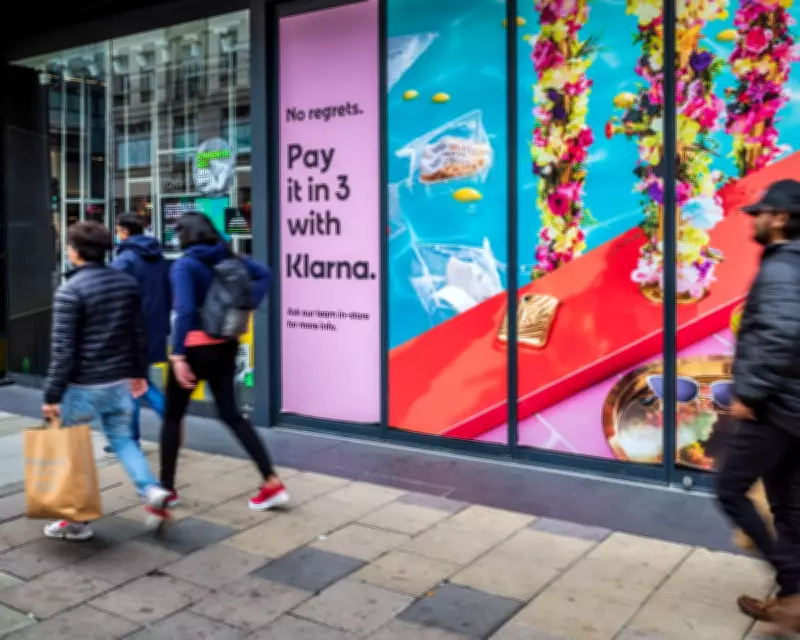
BNPL options like Klarna and PayPal Pay in 3 offer interest-free alternatives but come with hidden risks. "Used carefully, they can be cost-neutral, but if payments are missed, late fees or interest can quickly apply," Caldwell warns. Klarna imposes a £5 late fee after a seven-day grace period, while PayPal restricts future borrowing for missed payments.
Regardless of method, Caldwell emphasizes rapid repayment. "Carrying even small balances for long periods can increase your credit utilization ratio, which is one of the factors used to calculate your credit score."
Mid-Range Spending: The £2,000 Consideration
For purchases around £2,000, BNPL remains viable with provider-specific limits. Klarna assesses spending capacity per transaction, while PayPal Pay in 3 accommodates purchases up to £3,000 through three installments. Dan Kellett, director of lending at Carmoola, advises that BNPL suitability depends entirely on repayment certainty.
"In a situation where you have a clear line of sight to paying it back regularly, BNPL can be a good way of doing it," Kellett states. However, for purchases requiring stronger consumer protection—such as holidays—credit cards offer superior safeguards under Section 75 of the Consumer Credit Act.
Both experts note that most BNPL providers now report to credit agencies, meaning missed payments can damage credit scores just like traditional borrowing.
Substantial Borrowing: The £10,000 Strategy
For £10,000 needs, personal loans typically offer significantly lower interest rates than revolving credit options. Caldwell explains that credit cards at 30-36% APR could accumulate over £8,000 in interest over five years on a £10,000 balance.
In contrast, a five-year personal loan at 7-8% interest would incur approximately £1,800-£2,200 in interest. "For strong borrowers," Caldwell notes, "many mainstream lenders currently offer rates in the 6-10% APR range." At publication, TSB offered 5.6% APR for loans between £7,500-£25,000.
Retailer-offered loans require careful APR scrutiny. "Shop around and see if you can find a better interest rate than the one being offered," Kellett advises. Caldwell adds that payment behavior matters profoundly: "Making payments on time can help build your credit history, while missed payments, maxed-out credit limits or multiple applications in a short period can negatively impact your credit rating."
Major Financing: The £20,000 Approach
For £20,000 requirements, structured loans with fixed repayment terms become essential. "A credit card balance of that size would be financially punishing for most people," Caldwell emphasizes. A £20,000 personal loan at 6% interest would cost £3,199 in interest over five years, or £4,542 if extended to seven years.
"A structured loan has fixed monthly repayments, which makes budgeting easier," Caldwell explains. "Revolving credit like cards can feel flexible, but that flexibility often leads to balances lingering far longer than intended."
Large loans often include overlooked charges: arrangement fees, early repayment penalties, and late payment charges. Kellett recommends purpose-driven borrowing decisions: "With car financing, there is an asset you can secure the borrowing against. A secured lending route may therefore be better, as there is recourse if something happens."
For home improvements or other major purchases, Kellett suggests extensive comparison shopping. "Many lenders now use quotation searches that don't affect your credit score but give you an indication of whether you are likely to be accepted. It allows you to find out what is available to you without any detriment to your credit file."
The Evolving Credit Landscape
The borrowing ecosystem continues to expand, offering consumers unprecedented choice but requiring increased financial literacy. From BNPL's checkout convenience to personal loans' structured predictability, each option carries distinct advantages, risks, and credit implications. Financial experts universally recommend thorough research, repayment planning, and awareness of both visible and hidden costs before committing to any borrowing method.




