The Pub Habit That Drives Bartenders Crazy
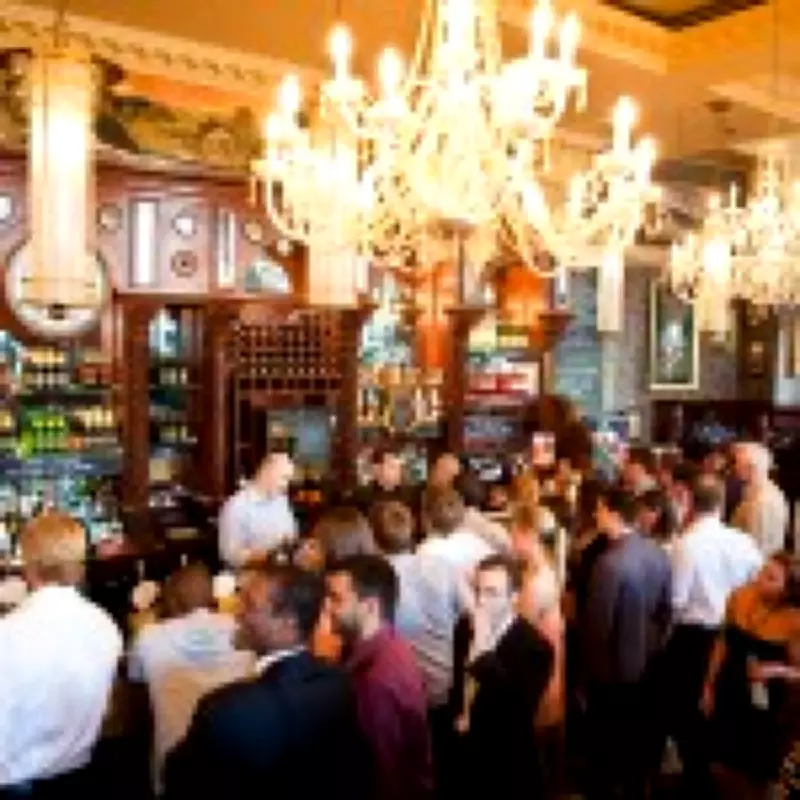
In the world of British pubs, there exists an unspoken code of conduct that separates the seasoned regulars from the frustrating newcomers. While most people understand basic rules like not forming queues or properly reserving pool tables, one common habit consistently tests the patience of bar staff across the country.
The Cardinal Sin of Bar Service
According to hospitality professionals, the most irritating customer behavior involves approaching the bar without knowing what you want to order. This seemingly minor hesitation creates significant delays during busy periods, backing up service and testing the patience of both staff and waiting customers.
'It's a small thing, but when the queue is three people deep, extra seconds or minutes add up,' explains Todd N, a North London Account Manager at Beavertown Brewery. 'Our teams are trained to handle large orders efficiently, but they need clear instructions to work effectively.'
Industry Professionals Share Their Frustrations
Lisa Williams, landlady of The Cricketers Pub in Farncombe, Surrey, describes the typical scenario: 'You can always spot the customers who haven't thought about their order until they reach the bar. They stare blankly and then begin thinking on the spot - it drives me absolutely crazy!'
Phil McAree, general manager of the historic Hoop and Grapes in Clerkenwell, identifies two groups particularly prone to this behavior: 'Novice drinkers and the part-time crowd who only visit during Christmas season typically struggle with this. When someone says "I'll have this," then pauses to think, followed by "oh, and so-and-so wanted that," it significantly slows down the entire process.'
With over twenty years of experience in the hospitality industry and coming from a family of publicans, McAree has developed patience with indecisive customers, though he emphasizes that all bar staff share one simple goal: 'We're aiming to deliver rounds of drinks as quickly as possible and move on to the next customer efficiently.'
Beyond Basic Orders: Advanced Pub Etiquette
While knowing your order beforehand represents fundamental pub etiquette, industry experts reveal several additional behaviors that distinguish exceptional customers:
- Order Guinness First: Dougal Sharp, founder and master brewer at Innis and Gunn, explains the importance of drink sequencing: 'Stouts like Guinness require approximately two minutes to pour properly. Ordering them first allows bartenders to begin the pouring process while preparing the rest of your order simultaneously.'
- Return Empty Glasses: Phil McAree considers this simple act particularly meaningful: 'There's something magical about customers who bring their glasses back. While it's technically our job to collect empties, this gesture represents a token of appreciation that staff genuinely notice and appreciate.'
- Understand Service Dynamics: The ideal customer recognizes when staff are available for conversation versus when they're overwhelmed during peak hours.
The Perfect Pub Customer Profile
According to McAree, model pub patrons share several key characteristics:
- They demonstrate consistent politeness and empathy toward staff
- They approach the bar with their complete order prepared
- They return empty glasses to the bar area
- They understand appropriate timing for social interaction
- They maintain proper drinking behavior without becoming disruptive
- They genuinely support and appreciate the establishment
'The more customers who embody these qualities,' McAree notes, 'the better the overall pub environment becomes for everyone.'
The Impact on Service Efficiency
Becky McCabe, co-founder of the drinks training app Brandee, quantifies the time difference: 'A perfect pint of Guinness requires 119.5 seconds to pour correctly. When customers order these time-consuming drinks last, they unintentionally create bottlenecks during busy periods.'
Lisa Williams estimates the potential efficiency gains: 'I could serve twice as quickly if everyone knew their orders in advance and requested complex drinks first. Fortunately, I've managed to properly train my regular customers over time.'
While Phil McAree maintains perspective - 'At the end of the day, customers pay our wages' - he acknowledges that certain behaviors 'endear you to people much more' within the hospitality industry. For those seeking to become bartenders' favorite patrons, the formula proves surprisingly simple: preparation, consideration, and understanding the practical realities of bar service.