
From Hidden Gem to Bustling Hub: The Rise of Manhattan's Koreatown
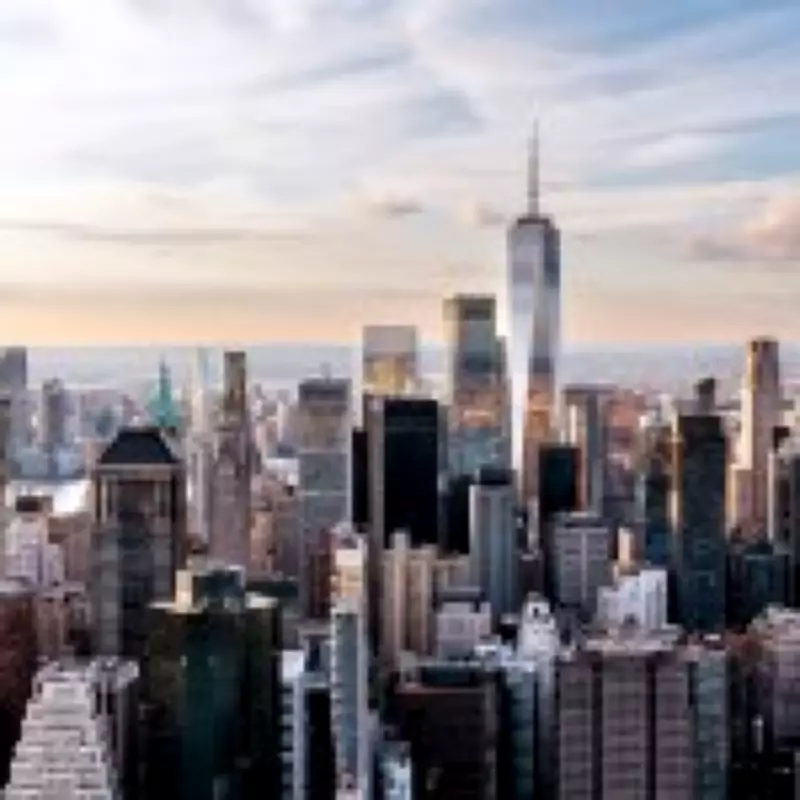
Just a short stroll from the iconic Empire State Building and the bustling Fifth Avenue lies a neighborhood that has long been overshadowed by its famous neighbors. Manhattan's Koreatown, spanning only a few blocks in the heart of the city, is now stepping into the spotlight as one of the largest Korean commercial districts in the United States, captivating visitors with its infectious energy and vertical density.
A Cultural Renaissance Fueled by Global Trends
In recent years, a surge of interest in Korean culture, from the global phenomenon of K-pop groups like KPop Demon Hunters to the widespread popularity of K-beauty, has propelled Koreatown into the limelight. This cultural renaissance has transformed the area into a hive of activity, with restaurants now boasting lines that wrap around the block and exclusive lounges and speakeasies becoming difficult to access due to high demand. The neighborhood's glow of neon signs late into the night adds to its allure, creating a vibrant atmosphere that contrasts sharply with its past.
Historical Roots and Transformation
Only half a century ago, Koreatown was a less desirable part of the city, settled by Korean immigrants following the liberalized Immigration and Nationality Act of 1965. This legislation sparked a significant increase in Korean immigration, growing the community to over 1.7 million people by 2010. Today, the neighborhood is home to approximately 2,000 residents and more than 100 businesses, ranging from Michelin-starred restaurants to affordable nail salons.
Tony Perrottet, a Manhattan-based writer and historian, has witnessed this dramatic change over his 30 years in the city. He recalls, "When I first moved to New York, Koreatown was literally in the shadow of the Empire State Building. It really was a forgotten commercial enclave that nobody particularly wanted to go to – or if you ventured there, it was likely by accident." Now, he notes, it has evolved into a destination in its own right, offering a full smorgasbord of Korean cultural entertainment, including amazing restaurants, bars, noraebang (karaoke rooms), and spas.
Accessibility and Growing Appeal
Korean cuisine was introduced to a broader American audience in 1993 when Ruth Reichl reviewed the now-closed restaurant Kang Suh for The New York Times, describing it as a thrilling and entirely satisfying experience. However, at that time, the neighborhood remained largely a secret within the Korean community, with non-Korean visitors being rare. Today, Koreatown has become far more accessible, with English-language menus at most establishments and a growing international clientele.
Personal favorites in the area include the sleek subterranean restaurant and bar Museak, the Korean-style gastropub Osamil with its cool speakeasy upstairs, Koku Ramen known for affordable prices and crispy dumplings, Antoya BBQ for DIY grilling (which once hosted the cast of KPop Demon Hunters), and Miss Korea BBQ for its traditional cold noodles in ice—a refreshing treat on a hot summer day in New York City.
Beauty and Wellness Hotspot
Beyond food, Koreatown has recently emerged as a hotspot for beauty and wellness, offering treatments at significantly lower prices compared to other parts of the city. Dr. Harim Kim, founder of Riko Spa near Times Square, explains that these services were once known only within the Korean community but have become increasingly accessible over the past five years, thanks to English-language menus and user-friendly websites.
For example, Bared Monkey Laser Spa provides FDA-approved laser hair removal and non-invasive skin treatments, offering better value for money. Dr. Kim notes, "Beauty treatments in Korea are very affordable – not like in America – and that’s why you’ll find better value for money in Koreatown." At her spa, which opened in August 2025, she serves up to 60 clients daily with services ranging from Botox and fillers to skin-tightening laser treatments, emphasizing that high volume helps keep prices low and accessible.
A Dynamic Neighborhood No Longer in the Shadows
While Koreatown may still sit in the shadow of the Empire State Building, it no longer hides in it. What was once a quiet enclave has evolved into one of Manhattan's most dynamic neighborhoods, where culture, cuisine, and commerce collide. For those willing to wander a few blocks off the beaten path, the rewards are rich, making it a must-visit destination for tourists and locals alike.




