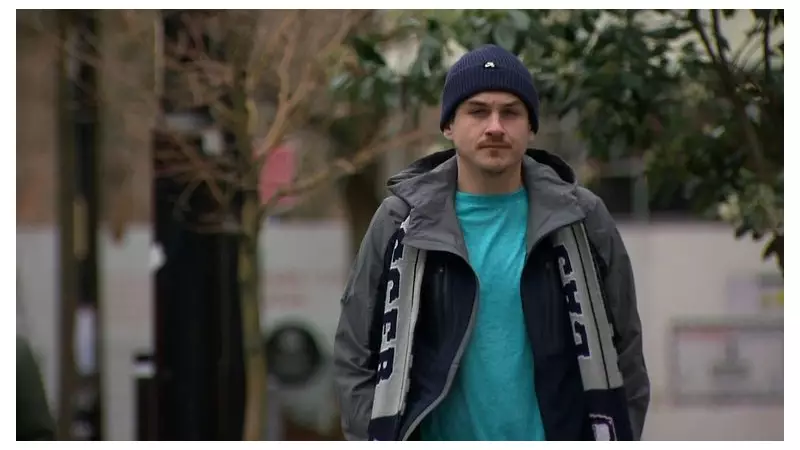
A 30-year-old homeless man has spoken of his devastation after hotel staff in Manchester turned him away on a bitterly cold night, despite a charity having paid for his room in full.
A 'kick in the stomach' rejection
Callum Donaghey was one of two men who the charity Two Brews had booked into the Holiday Inn Express on Oxford Road, Manchester, to escape sub-zero temperatures on Monday night. Temperatures had plummeted to -6°C.
However, upon arrival, a member of staff refused to check the pair in. The incident, which was captured on video, saw the employee state it was "the company's policy" and "not a personal thing".
"It made me feel so small, because we're homeless. [It] made me feel a bit categorised. Gutted," Mr Donaghey told Sky News. He described hearing the refusal as like a "kick in the stomach really".
The chilling reality of sleeping rough
Facing a night back on the streets, Mr Donaghey explained the profound mental and physical toll of the cold. "I'm panicking now, majorly panicking, thinking I'm going to be freezing tonight," he said.
He detailed how the cold seeps into the body, leading to illness, chest problems, and numb extremities. "There have been times when I woke up in this cold and cried," he revealed, describing the experience as "daunting".
Beyond the immediate need for shelter, Mr Donaghey highlighted a deeper issue: a perceived shift in public attitude. "I don't really meet many people that I'd say are supportive of homeless people anymore," he said, adding that "sometimes it's nice to have a little chat with someone and to feel human."
Hotel apology and policy review
Following the incident, a spokesperson for Holiday Inn issued a statement of apology. "We recognise that this incident is not in keeping with our policy of welcoming all and should have been handled differently," they said.
"We sincerely apologise to the guests affected and are taking steps internally to strengthen our training." The statement confirms the refusal was not aligned with the brand's official stance.
The event, occurring on 9 January 2026, raises significant questions about the practical application of corporate policies and the treatment of vulnerable individuals during extreme UK weather events.