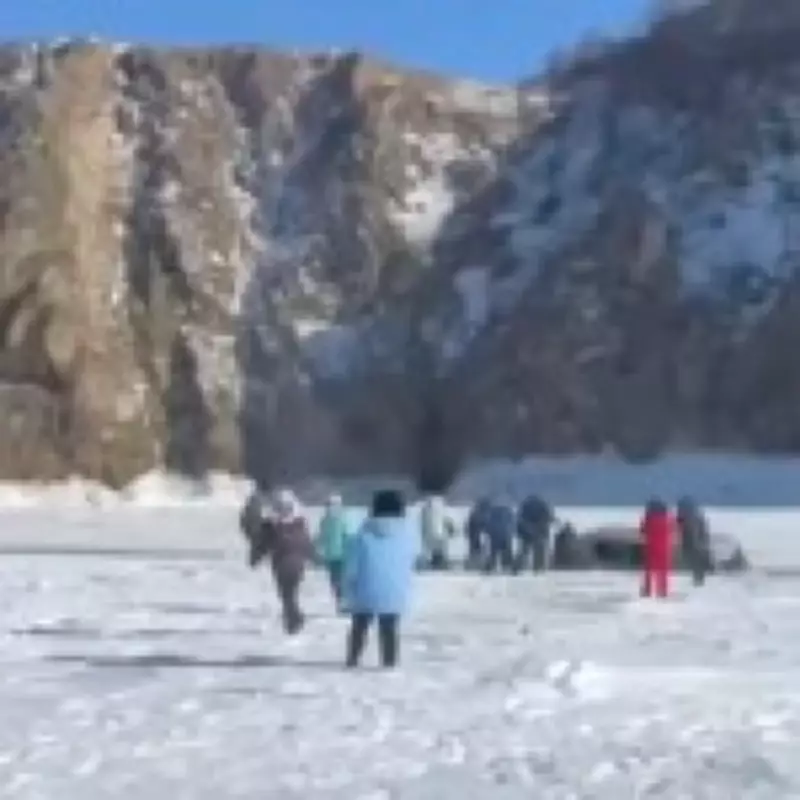
A tragic accident on the frozen surface of Lake Baikal in Siberia has claimed the lives of seven tourists and a bus driver, after their vehicle plunged through the ice into the world's deepest lake. Divers have recovered all eight bodies from the site, with regional governor Igor Kobzev confirming the victims were Chinese citizens and the local driver.
Escape and Recovery Efforts
According to official reports, one tourist managed to escape the wreckage before emergency services arrived. Governor Kobzev posted on Telegram that divers had successfully retrieved the bodies from the submerged bus. 'We now know for certain that they are the driver and seven Chinese citizens,' he wrote, adding his 'deepest condolences to the families and friends of the victims.'
Official Warnings Ignored
The governor emphasized that the official ice road across Lake Baikal had been closed due to visible cracks in several sections. 'Lake Baikal is unforgiving in poor conditions,' Kobzev stated, noting that lessons hadn't been learned despite multiple recent incidents. He issued a stark warning to potential visitors: 'Before you, against your better judgment, decide to drive onto the ice, think about it. Is it really worth it? Some have already made the wrong choice. The lesson was fatal.'
Recent Similar Incidents
This tragedy follows other dangerous situations on the lake in recent days. On Friday, emergency services rescued a woman and child after their car became stuck five kilometers from shore. Another vehicle carrying four holidaymakers sank after driving over cracking ice, though all occupants were reportedly rescued.
Investigation Launched
Authorities have confirmed that a criminal investigation into the bus incident has been opened. The case will examine why the vehicle was on the ice despite official warnings and closures.
About Lake Baikal
Lake Baikal holds several remarkable distinctions:
- The world's deepest lake at over 5,000 feet in parts
- The largest freshwater lake by volume
- Surface area larger than Belgium
- One of the clearest lakes globally
- UNESCO World Heritage Site
The lake's surface routinely freezes from January to June, with ice reaching up to two meters thick. However, this natural phenomenon has become increasingly dangerous due to climate variations and human activity.
Environmental Concerns
Beyond safety issues, Lake Baikal faces significant environmental threats. Pollution from nearby developments and the flow of toxic substances into the pristine waters has raised concerns among conservationists about the long-term health of this unique ecosystem.
The combination of treacherous winter conditions, ignored safety warnings, and increasing tourist pressure has created a dangerous situation at one of Russia's most famous natural wonders, resulting in this latest tragic loss of life.