Ukraine's Soviet-Era Heating System: A Legacy of Vulnerability
Ukraine's heating infrastructure, largely built during the Soviet era, represents a critical yet fragile component of the nation's energy network. This system, designed decades ago, has become a focal point of vulnerability during the ongoing conflict with Russia, highlighting deep-seated challenges in modernization and resilience.
Historical Context and Design
The Soviet Union constructed extensive district heating systems across Ukraine in the mid-20th century, primarily using centralized boiler plants and vast networks of pipes to distribute hot water or steam to residential and commercial buildings. This approach was intended to maximize efficiency in urban areas, but it relied heavily on interconnected infrastructure that is now aging and difficult to maintain. Many of these systems were engineered with durability in mind, yet they lack the flexibility and redundancy needed for modern energy demands and security threats.
Vulnerabilities in Conflict
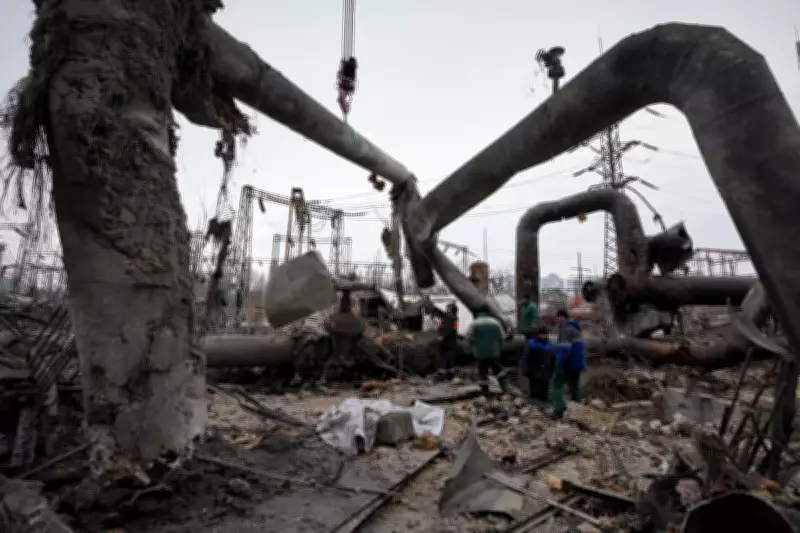
During the war with Russia, Ukraine's heating infrastructure has faced severe strain. Attacks on power plants, pipelines, and other energy facilities have disrupted heat supply, particularly in harsh winter months, endangering civilians and exacerbating humanitarian crises. The centralized nature of these systems means that damage to a single component can cascade, leaving entire communities without heating. This has forced Ukraine to implement emergency measures, such as using mobile boilers and encouraging energy conservation, but these are often stopgap solutions.

Modernization Challenges
Efforts to upgrade Ukraine's heating system are hampered by the ongoing conflict, financial constraints, and technical complexities. Replacing Soviet-era equipment with more efficient, decentralized alternatives requires significant investment and time, resources that are scarce amid war. Additionally, there is a need to integrate renewable energy sources and improve insulation in buildings to reduce dependency on vulnerable networks. International aid and expertise are playing a role, but progress is slow and uneven across regions.
Impact on Civilians and Economy
The fragility of the heating system has profound implications for Ukraine's population and economy. Prolonged heat outages can lead to health risks, especially for vulnerable groups like the elderly and children, and disrupt daily life and businesses. In economic terms, energy insecurity stifles recovery and development, as industries and households struggle with unreliable supply. This underscores the urgency of addressing infrastructure weaknesses as part of broader reconstruction plans.
Future Prospects and Resilience
Looking ahead, Ukraine aims to build a more resilient heating infrastructure that can withstand future shocks. This involves not only technical upgrades but also policy reforms to promote energy independence and sustainability. Lessons from the conflict may drive innovation, such as adopting smart grid technologies and diversifying energy sources. However, the path forward is fraught with challenges, requiring coordinated efforts from government, international partners, and local communities.
In summary, Ukraine's Soviet-era heating system is a testament to historical engineering but also a symbol of current vulnerabilities. As the nation navigates war and reconstruction, transforming this infrastructure will be crucial for ensuring safety, stability, and long-term prosperity.