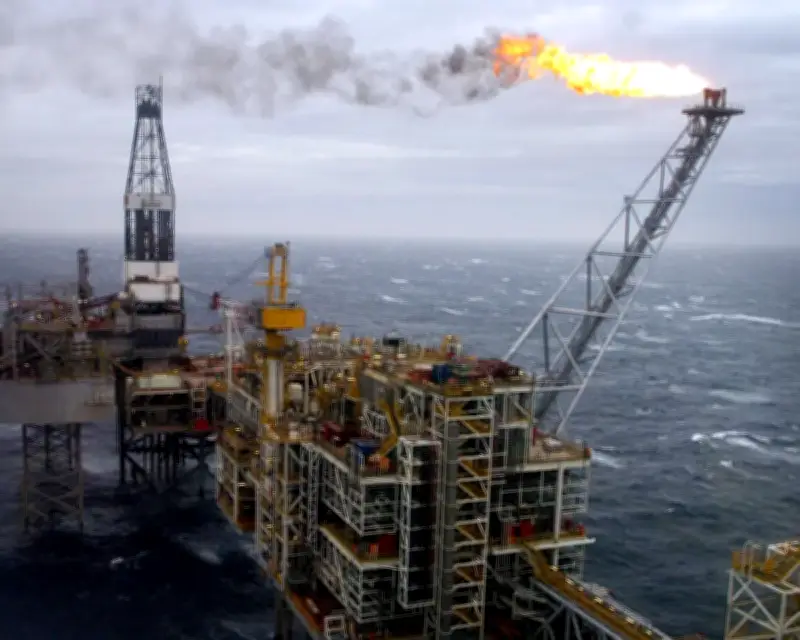
The UK could run out of gas in the 2030s unless new supplies are secured, according to a stark warning from the energy regulator Ofgem. The regulator said the country's reliance on imports and declining North Sea production could leave it vulnerable to supply disruptions and price spikes.
Ofgem's warning on gas supply
In its annual report on the future of the UK's energy system, Ofgem highlighted that domestic gas production is falling faster than expected. It projected that by the early 2030s, the UK could be dependent on imports for over 90% of its gas needs, up from around 50% today. The regulator stressed that without significant investment in new storage facilities and import infrastructure, the country could face shortages during peak demand periods.
Ofgem's chief executive, Jonathan Brearley, said: "The UK's energy security cannot be taken for granted. We need to act now to ensure we have enough gas to heat homes and power industry in the next decade. This means investing in storage, diversifying supply routes, and accelerating the transition to renewable energy."

Impact on consumers and industry
The warning comes as households and businesses already struggle with high energy bills. Analysts suggest that gas shortages could push prices even higher, affecting millions of consumers. The regulator called on the government to set out a clear strategy for gas security, including support for new gas storage projects and long-term contracts with international suppliers.
Industry groups echoed the concern. The Energy UK trade body said that without immediate action, the UK could become "dangerously exposed" to global market volatility. It urged ministers to prioritize energy security in the upcoming energy bill, which is expected to include measures to boost domestic production and support for hydrogen and other low-carbon alternatives.
Government response and next steps
The government said it is committed to ensuring the UK's energy security and pointed to recent investments in renewable energy and nuclear power. A spokesperson said: "We are already investing in new gas storage and are working with international partners to secure diverse supply routes. The UK will not run out of gas, and we are confident that our energy mix will meet demand."
However, critics argue that the government's plans are insufficient. The Climate Change Committee, an independent advisory body, said that the UK needs to reduce gas demand by at least a third by 2030 to meet climate targets and avoid shortages. It recommended a nationwide insulation program and a faster rollout of heat pumps.
Ofgem's report also noted that the UK's gas storage capacity is among the lowest in Europe, with only about 10 days of average winter demand stored, compared to the EU average of 80 days. The regulator said that increasing storage would be crucial to buffer against supply disruptions, but warned that such projects require long-term policy certainty.
The next few years will be critical, as the UK's remaining North Sea fields are decommissioned and the country becomes more reliant on imports. The regulator urged all parties to work together to ensure that the UK's gas supply remains secure, affordable, and sustainable.