UK Households Urged to Use More Power This Summer as Renewable Energy Soars
Households across Great Britain will be called upon to increase their electricity consumption this summer to help balance the power grid and potentially lower energy bills. This initiative comes as the country experiences record levels of renewable energy generation from wind and solar sources.
Incentives for Off-Peak Consumption
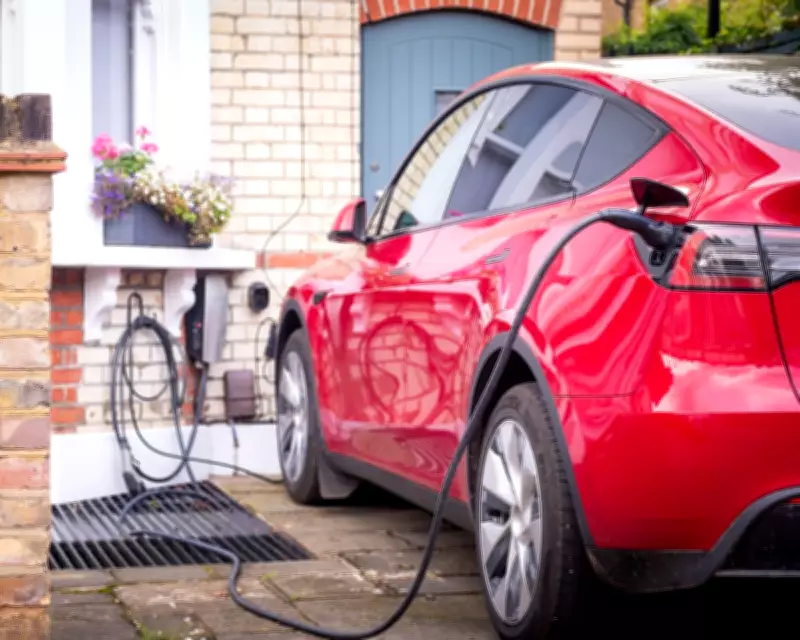
Under new plans developed by the National Energy System Operator (Neso), energy suppliers may offer heavily discounted or even free electricity during specific periods when surplus renewable energy is available. Consumers could be encouraged to run appliances like dishwashers and washing machines or charge electric vehicles during these times.
This represents a significant shift in grid management strategy, as it marks the first time the system operator will actively encourage increased consumption to balance supply and demand. Many suppliers already offer off-peak rates to over 2 million households, but this new approach specifically targets periods of renewable energy surplus.

Addressing Grid Challenges
The initiative aims to avoid costly payments to wind and solar farms for turning off generation when demand is low. These curtailment payments are ultimately passed on to consumers through energy bills. By encouraging consumption during surplus periods, Neso hopes to reduce these costs while making better use of clean energy.
The timing is particularly relevant as households prepare for the government's energy price cap to rise to nearly £2,000 annually from July, driven by soaring energy market costs following recent geopolitical tensions.
Record Renewable Generation
Great Britain has recently achieved multiple renewable energy milestones:
- Double solar power records set earlier this month during sunny spring weather
- Windfarm generation reaching record highs, driving gas-fired power to a two-year low
- Potential for the first summer with the grid running entirely on zero-carbon electricity
However, this abundance of renewable energy presents challenges. During bright, breezy summer weekends, parts of the electricity system could become overloaded, raising the risk of unplanned blackouts due to grid bottlenecks.
Future Grid Development
Looking ahead, several developments are expected to improve grid management:
- Grid upgrades will facilitate better transmission of renewable energy from remote generation sites to population centers
- Increased adoption of electric vehicles, heat pumps, and green hydrogen production will create more flexible demand
- Businesses and manufacturers will participate in demand response programs for better electricity rates
Gas Supply Considerations
Despite the focus on renewables, gas remains an important part of the energy mix. Great Britain is expected to have sufficient gas supplies this summer, primarily sourced from North Sea fields in Norway and the UK. While domestic production is forecast to decline by 6% compared to last year, increased imports from Norway and global LNG markets should offset this reduction.
Neso's summer outlook doesn't include specific price predictions but anticipates stable gas security through the summer months. Analysts are monitoring potential impacts from geopolitical developments that could affect winter supplies when heating demand increases.
This innovative approach to grid management represents a significant step toward maximizing renewable energy utilization while providing potential savings for consumers during a period of rising energy costs.