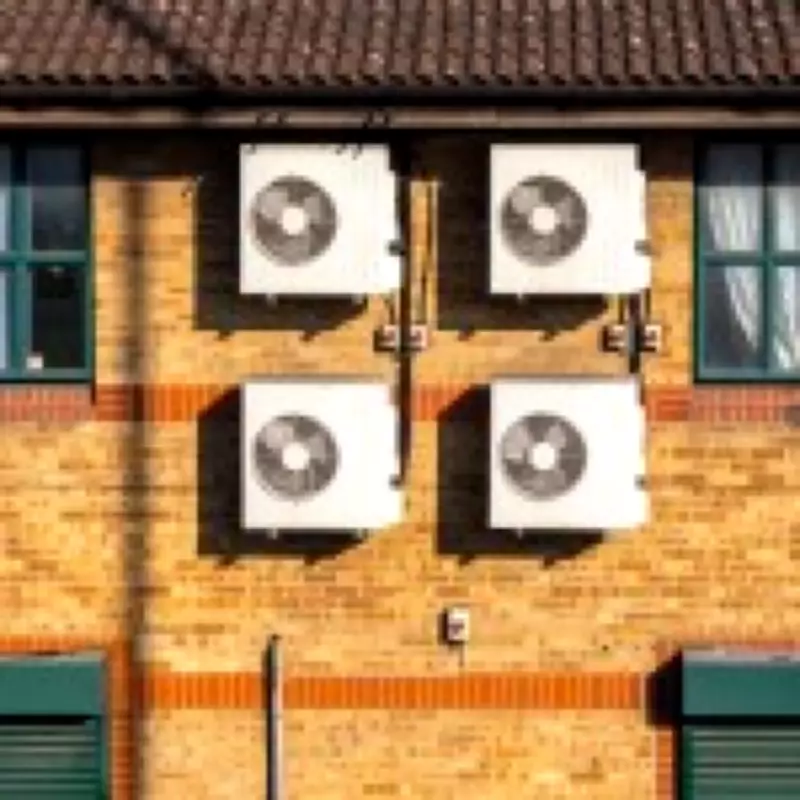
UK heatwaves are on the rise, prompting many to wonder if installing air conditioning is a worthwhile investment. The UK's humid air and heat-retaining homes make hot weather particularly uncomfortable. With temperatures frequently exceeding 30°C, homeowners and tenants are seeking relief.
Is Air Conditioning Worth It?
John Small, eco performance specialist at Ty Eco, describes air conditioning as a luxury that offers cooler sleep and better air quality, with some systems doubling as heating in winter. However, he cautions that the upfront spend, daily running costs, and environmental impact mean it's not a decision to take lightly.
Installation and Running Costs
Installing a fixed unit typically costs between £1,000 and £2,000 per room, while full ducted or multi-room systems range from £6,000 to £9,000 or more. Running costs are around 20-30p per hour for portable units and about 22p per hour for in-built systems, equating to £1-2 per day per room.

Environmental Considerations
From a sustainability perspective, John suggests exploring passive solutions first, such as shading, insulation, and proper ventilation. Good design can keep homes comfortable without high-energy cooling systems. Air conditioning should be seen as a last resort, not the first fix.
Best Alternatives to Air Conditioning
A standard fan is a practical and economical choice, costing only 1-2p per hour to run. While fans don't cool the air, they move it, making a big difference in perceived coolness. Combining fans with smart ventilation—opening windows when it's cooler outside and keeping blinds down during the day—can effectively manage heat without AC.
Types of AC for UK Homes
Various AC systems exist, including split systems, multi-split systems, ducted systems, portable units, and window units. Air-to-air heat pumps are recommended for UK homes, as they provide efficient cooling in summer and heating in winter. Some models qualify for government incentives under renewable energy schemes. However, the most sustainable option is designing homes to rarely need active cooling.
London faces unique challenges, with dark roads, concrete, and buildings absorbing heat. Many residents live in flats without balconies or gardens, making it feel like a sauna. Sleep becomes difficult, leading people to try hacks like cool showers, freezing bedding, or placing ice water in front of a fan.
As heatwaves become the norm, weighing the benefits and drawbacks of air conditioning is essential. While it offers immediate relief, passive cooling methods remain more energy-efficient and environmentally friendly.