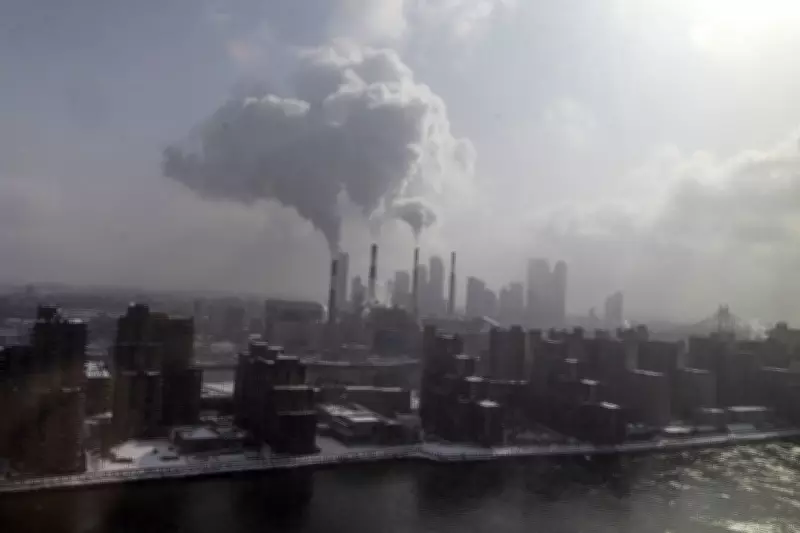
Steam billows from the Ravenswood Generating Station, New York City's largest power facility, located in Queens. This iconic image symbolises the ongoing energy debates gripping the United States as Donald Trump's administration faces mounting criticism for its aggressive promotion of fossil fuels.
Legal Challenges and Policy Reversals
Four federal judges, including one appointed by Trump himself, have recently issued temporary injunctions against Department of the Interior attempts to halt development on five offshore wind projects. These renewable energy initiatives in Virginia, New York and New England represent billions of dollars in investment and are at advanced stages of construction.
Simultaneously, Trump energy officials issued emergency orders last year to maintain operations at five ageing coal plants scheduled for closure across Washington, Michigan and three additional states. These facilities require expensive, time-consuming repairs, with several states now challenging the federal interventions.

Academic and Political Criticism
"Trump's decisions make no sense from either environmental protection or energy cost perspectives," stated Naomi Oreskes, Harvard University science historian and professor of earth and planetary sciences. "By obstructing nearly operational wind projects and reviving uneconomic coal plants, this administration increases both direct energy costs for Americans and indirect costs through air pollution and climate damage."
The administration has additionally championed increased liquefied natural gas exports, which experts and Senate Democrats argue contributes to domestic electricity price inflation. Federal data analysed by Public Citizen indicates US households spent an additional $12 billion on natural gas between January and September last year compared to the previous period, coinciding with a 22% increase in LNG exports supported by the Trump administration.
Industry Influence and Political Donations
Energy Secretary Chris Wright, formerly an oil and gas CEO, travelled to Europe last autumn to encourage EU officials to facilitate LNG exports by relaxing methane regulations. This export expansion has been vigorously promoted by the Domestic Energy Producers Alliance, co-founded in 2008 by fracking billionaire Harold Hamm, a significant Trump donor and fundraiser.
In April 2024, Hamm organised an exclusive energy industry dinner at Mar-a-Lago where Trump solicited $1 billion in campaign donations from attending CEOs while outlining extensive pro-fossil fuel policies. Fossil fuel interests ultimately contributed approximately $75 million to support Trump's campaign, including $2 million from Hamm personally.
Economic Impacts and Consumer Consequences
Energy experts and congressional Democrats contend the administration's fossil fuel prioritisation has contributed to electricity price increases exceeding general inflation rates. Consumer price index data reveals electricity prices rose 5.1% between September 2024 and September 2025, substantially higher than the 3% overall inflation rate for goods and services during that period.
Administration officials defend their energy policies as necessary responses to growing energy demands, particularly from expanding data centres, and as preventative measures against potential blackouts.
Ideological Opposition to Renewable Energy
Trump has consistently praised what he terms "beautiful clean coal" while dismissing wind energy as the "scam of the century." His One Big Beautiful Bill Act included significant reductions in solar energy tax credits, drawing criticism from energy scholars who describe these moves as ideologically motivated and economically unsound.
"If you want to lower electricity prices, you don't halt wind and solar projects already under construction," argued Michael Gerrard, director of Columbia Law School's Sabin Center for climate change law. "The fastest, most economical method to increase generating capacity today involves large-scale wind and solar development. Trump appears determined to obstruct these projects."

Regulatory Overreach and Legal Analysis
Ari Peskoe, director of Harvard Law School's electricity law initiative, criticised the administration's coal plant interventions: "Federal and state utility regulators determined these plants could close based on affordability and reliability assessments. The Energy Department is overriding these determinations without demonstrating benefits outweighing the hundreds of millions in consumer costs."
Since April 2024, when Trump signed executive orders easing environmental regulations to boost coal production, administration efforts to promote fossil fuel usage have intensified. Conversely, attacks on wind power have expanded, including last August's cancellation of $679 million in federal funding for ports supporting offshore wind infrastructure.
Expanding Opposition and Legislative Responses
At a January National Coal Council meeting, Energy Secretary Wright signalled further support for coal restoration, telling industry leaders: "The goal is to stop the political closure of coal plants." The council, revitalised since Trump's 2025 return to office, includes influential figures like billionaire CEO Joe Craft of Alliance Resource Partners, a major Republican donor.
Meanwhile, December 2025 saw the Interior Department pause leases for five major East Coast offshore wind operations, citing unspecified national security concerns. Developers promptly sued, securing January court rulings that blocked the department's actions.
Rhode Island Senator Sheldon Whitehouse condemned administration energy policies: "Blocking wind projects while pushing coal represents a massive wealth transfer from ratepayers facing higher electricity costs to donors and otherwise non-viable plants. This constitutes corrupt enterprise."
Natural Gas Exports and Consumer Impacts
Public Citizen's energy program director Tyson Slocum connected LNG exports to consumer hardship: "American families pay over $12 billion more for natural gas under Trump, with record LNG exports as primary cause. Despite campaigning to halve utility bills within a year, Trump has prioritised exports over domestic affordability."
In December, Massachusetts Senator Edward Markey and congressional Democrats introduced the Lowering American Energy Costs Act to significantly restrict LNG exports linked to rising energy costs. Markey stated: "Fossil fuel billionaires aren't just harming our health through pollution – they're busting household budgets through massive exports that drive international market prices higher."
Market Realities and Future Projections
Despite administration opposition, approximately 93% of new generation capacity in 2025 originated from solar, wind and battery sources according to Department of Energy figures. "These technologies dominate because they're the most economical," explained Joe Romm, University of Pennsylvania senior research fellow.
Romm projected continued consumer impacts: "Trump's policies will cause electricity rates to keep soaring as he enriches fossil-fuel donors by forcing consumers to pay higher rates for uneconomic coal plants and exporting natural gas that raises domestic costs."
The widening gap between administration energy policies and market realities, combined with growing legal and political opposition, suggests ongoing controversy surrounding America's energy direction and its consequences for both household budgets and environmental protection.