Trump Signs Memos to Boost US Fossil-Fuel Production for ‘Defense Readiness’
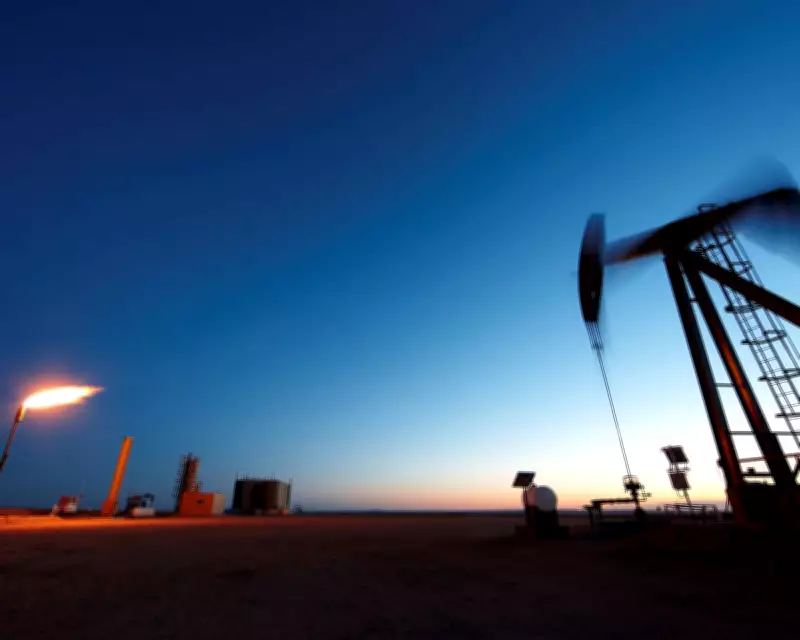
President Donald Trump has released a series of memorandums that reinforce his commitment to increasing domestic fossil fuel production, citing concerns over national security and defense preparedness. The memos, issued on Monday, build upon an executive order from January 20, 2025, which declared a national energy emergency.
National Security Concerns Drive Policy
Trump’s memorandums argue that the United States’ current energy supply is inadequate and intermittent, leaving the nation vulnerable to hostile foreign actors. This situation, according to the documents, poses an imminent and growing threat to both prosperity and national security. The president emphasized that resilient domestic petroleum production, refining, and logistics capacity are central to U.S. defense readiness.
“Petroleum fuels the Nation’s Armed Forces, industrial base, and crucial infrastructure. Without immediate Federal action, United States defense capabilities will remain vulnerable to disruption,” one memo stated. Trump has directed the energy secretary to implement measures to support these goals, including making necessary purchases and financial commitments to enable fossil fuel projects.

Invoking the Defense Production Act
The memorandums invoke the Defense Production Act, a Cold War-era law that grants the president authority to protect defense efforts by expanding and expediting the supply of materials and services from the domestic industrial base. This move underscores the administration’s focus on bolstering the oil and gas industry, which has been a significant supporter of Trump’s campaigns, donating over $75 million.
Actions Taken Since Assuming Office
Since beginning his second term, Trump has taken several steps to support the fossil fuel sector:
- Signed an order aimed at “unleashing American energy.”
- Overturned vehicle-emissions standards.
- Curtailed restrictions on petroleum expansion in Alaska.
- Removed the pause on approving liquefied natural gas export applications to certain countries, a policy initiated by Joe Biden in January 2024.
In December 2024, the White House released an analysis indicating that expanding liquefied natural gas exports could increase domestic costs, highlighting potential economic trade-offs.
Economic and Political Context
Trump’s actions come as millions of Americans face rising gas prices, exacerbated by geopolitical tensions, including the war between the U.S., Israel, and Iran, which has disrupted global oil markets. Industries dependent on petroleum, such as fertilizer production, have also been affected. While diplomatic efforts had briefly lowered oil prices, costs surged again after the U.S. seized an Iranian ship.
These rising fuel prices could pose challenges for Trump, who campaigned on populist promises of affordability. Additionally, other living costs are increasing across the U.S. The Department of Agriculture predicts that overall food prices will rise 3.6% in 2026, with food-at-home costs expected to increase 3.1% and food-away-from-home poised for a 3.9% increase—rates faster than the 20-year historical average.
This policy shift reflects Trump’s ongoing efforts to prioritize domestic energy production, framing it as essential for national security amid global uncertainties and economic pressures.