Sri Lanka has taken drastic measures to address a severe fuel crisis by implementing a four-day working week, aiming to stretch its limited oil and gas reserves. This move comes as the ongoing conflict between the US, Israel, and Iran has severely disrupted energy supplies across South Asia, with the Strait of Hormuz effectively blocked for two weeks.
Regional Energy Crisis Intensifies
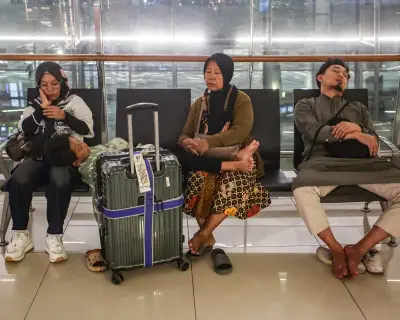
The closure of the Strait of Hormuz, a critical shipping route for oil and gas, has left countries like Bangladesh, India, and Pakistan scrambling to manage their own fuel shortages. Most nations in the region import nearly all their energy needs and now face the possibility of running out within weeks, threatening everything from industrial operations to daily life.
Sri Lanka's Emergency Response
Starting Wednesday, Sri Lanka will operate state institutions, schools, and universities only four days a week. Civil servants are encouraged to work from home where possible, and the government is urging the private sector to adopt similar measures, declaring Wednesdays as holidays. Prabath Chandrakeerthi, commissioner general of essential services, announced this after an emergency meeting chaired by President Anura Kumara Dissanayake.

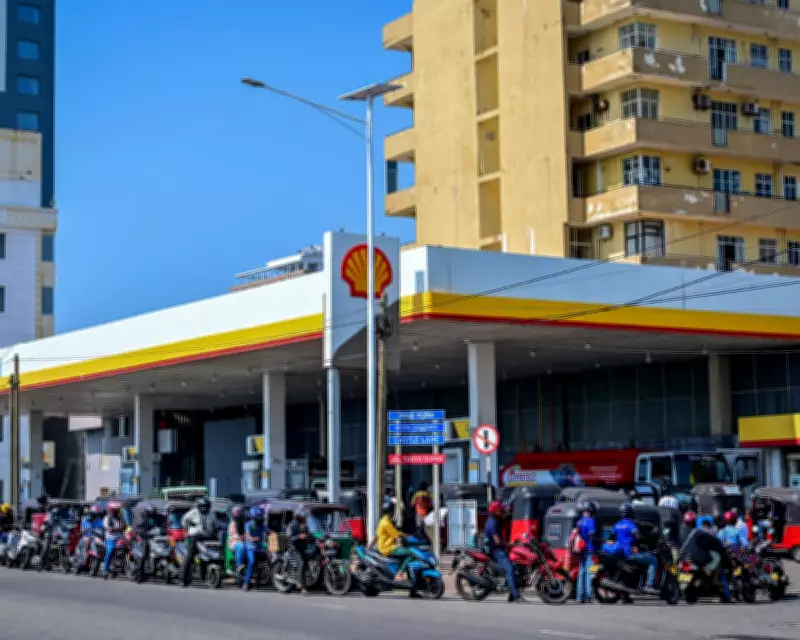
Fuel rationing began on Sunday, reminiscent of the country's 2022 economic crisis. Motorists are limited to 15 liters of petrol or diesel weekly, while public transport receives up to 200 liters. Officials warn that while current reserves might last six weeks, any further supply disruptions could cripple the island, though essential services like hospitals and ports will continue operating normally.
Impact Across South Asia
In Bangladesh, early Ramadan holidays for universities have been declared to save energy, and scheduled power blackouts are in place to protect the garment industry, a cornerstone of the economy. Pakistan, which relies on the Strait of Hormuz for 85% of its energy, has shifted schools to online learning and raised fuel prices to prevent hoarding.
India faces long queues for LPG cooking gas canisters, with restaurants closing or removing slow-cooking dishes from menus. Prime Minister Narendra Modi has attempted to reassure citizens, denying shortages and urging calm. However, India achieved a diplomatic breakthrough as two tankers navigated the Strait of Hormuz over the weekend, bringing critical gas supplies that arrived on Monday, offering some relief.
Economic and Diplomatic Challenges
Sri Lanka's government fears that a prolonged Middle East war and continued shipping disruptions could undermine recovery from its 2022 economic crisis. President Dissanayake emphasized preparedness for the worst while hoping for the best during Monday's emergency meeting.
India's foreign minister, Subrahmanyam Jaishankar, highlighted successful negotiations with Iran to allow tanker passage, showcasing diplomatic efforts to mitigate the crisis. The broader region remains on edge, with protests over fuel prices and shortages emerging, as seen in Kolkata where political rallies featured LPG cylinder cutouts.
This energy crisis underscores the fragile dependence of South Asia on Middle Eastern supplies, with governments implementing emergency measures to avert total collapse. The situation remains fluid, with potential for further disruptions if the conflict persists.