South East Water Chief Executive Declines Bonus Amid Water Supply Crisis
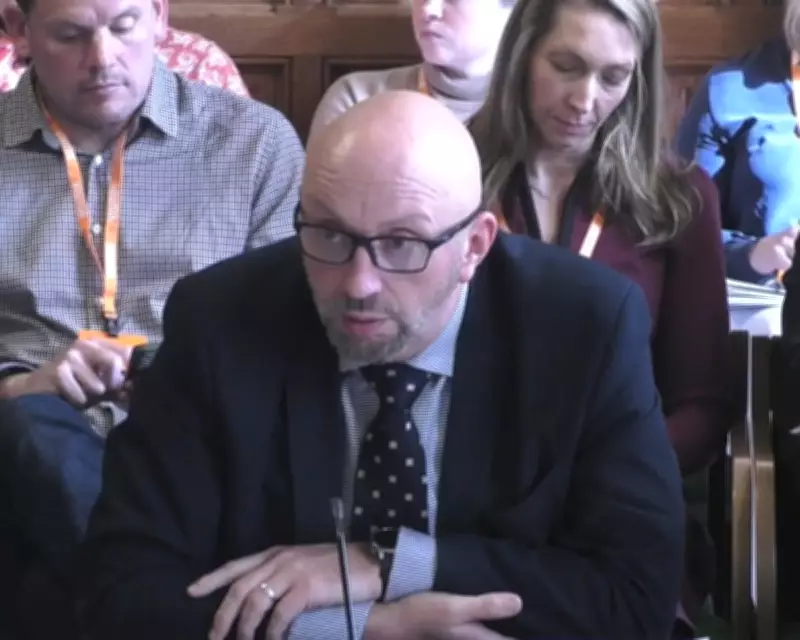
David Hinton, the chief executive of South East Water, has announced he will forgo his annual bonus as an act of contrition for what he termed "unacceptable outages" that disrupted water supplies for thousands of customers across Kent and Sussex. This decision was disclosed during his testimony to the environment, food and rural affairs select committee on Tuesday.
Apology and Financial Sacrifice Following Severe Disruptions
In a statement released after the parliamentary hearing, Hinton issued a formal apology to affected customers, acknowledging the severe impact of the supply failures. He confirmed that he will receive only his base salary of £400,000 for the 2025-2026 year, renouncing any additional performance-related payments. This move comes in response to widespread criticism over the company's handling of multiple incidents that left residents without tap water for extended periods.
The outages, which occurred in November and December in Tunbridge Wells and again in January across broader areas of Kent and Sussex, forced customers to endure conditions without basic amenities such as showers, baths, or functional toilets. Hinton admitted that South East Water had fallen short of expectations, stating, "We recognise the serious impact this has had on our customers and know that we fell short of what is expected of us."

MPs Grill Executives Over Accountability and Performance
During the committee session, MPs expressed sharp criticism of South East Water's leadership and operational failures. Alistair Carmichael, the inquiry chair, highlighted the irony of the situation by quipping, "The operation was a success, but the patient died," in reference to Hinton's characterization of the company as a "good company with a really big interruptions problem." Conservative MP Charlie Dewhirst went further, stating he was "frankly flabbergasted that nobody is accountable for the mess that the company's in."
Chris Train, chair of South East Water, defended the board's decisions, emphasizing their commitment to the current executive team. "Failure is failure and we have failed," Train conceded, but added, "The board has given its commitment and its backing to Dave [Hinton] and the executive team going forward as the right solution for delivering what is best for South East Water customers."
Regulatory and Consumer Concerns Escalate
The Drinking Water Inspectorate (DWI) reported that the December outages were foreseeable, a point Hinton agreed with during the hearing. Marcus Rink, chief inspector for the DWI, described the company's response as "probably one of the worst that I've come across," underscoring the erosion of public confidence in tap water safety.
Alarming survey data presented to the committee revealed that 54% of affected residents in Tunbridge Wells are now stockpiling bottled water in anticipation of future disruptions. Dr Mike Keil, chief executive of the Consumer Council for Water, noted that nearly a fifth of those surveyed have switched exclusively to bottled water, warning of "serious cultural issues here about engaging with your customers, treating them with respect."
Broader Implications for the Water Industry
This incident adds to growing scrutiny of the UK's water sector, which has faced criticism over issues such as sewage releases and service reliability. South East Water's executives appeared more apologetic than in previous inquiries, with Hinton admitting to communication failures during the crises. "I got it wrong and that's very much a lesson that we've learned into the playbook of how we handle future events," he told MPs.
As the company works to restore trust, the focus remains on improving infrastructure and customer engagement to prevent recurrence of such disruptive outages in the future.