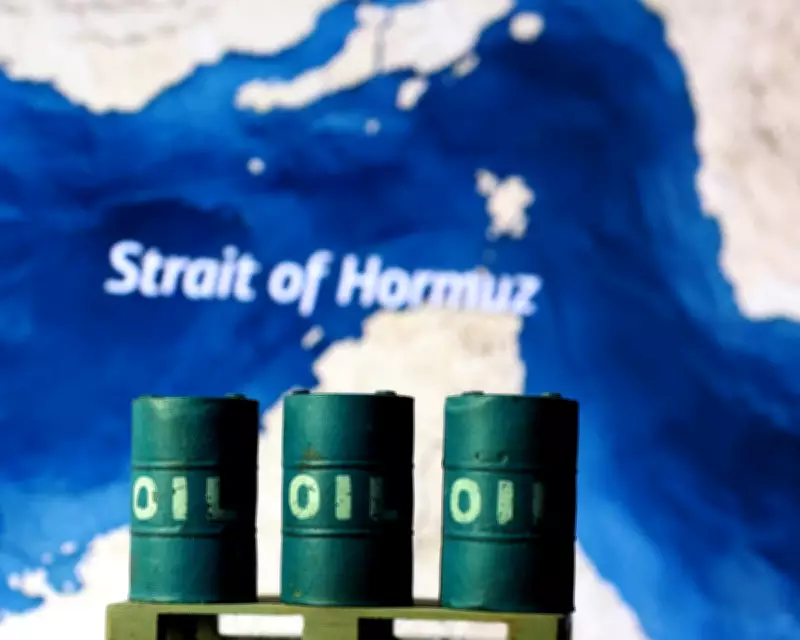
Shell Chief Executive Issues Dire Warning About Europe's Energy Future
The chief executive of Shell, Europe's largest oil company, has delivered a stark warning that the continent could face severe fuel shortages as early as April if the critical Strait of Hormuz shipping channel remains effectively closed to oil and gas transport. Wael Sawan made these alarming comments during a major energy conference in Houston, Texas, highlighting how the ongoing supply crisis has already forced Asian nations to implement energy rationing measures.
Immediate Impacts and Escalating Concerns
Sawan detailed how the crisis, now entering its fourth week, has created a domino effect across global energy markets. "South Asia was first to get that brunt," he explained. "That's moved to south-east Asia, north-east Asia and then more so into Europe as we get into April." The Shell boss emphasized that jet fuel supplies have already been severely affected, with prices doubling since the conflict began, and warned that diesel could come under pressure next, followed by petrol as the summer driving season approaches in both the United States and Europe.
Oil prices experienced some volatility this week, dipping back to approximately $100 per barrel on Wednesday from highs around $114 earlier in the week, following reports that the White House had sent a 15-point peace plan to Iranian leaders. However, Sawan stressed that without a resumption of crude deliveries through the vital Hormuz channel, Europe could experience fossil fuel shortages within mere weeks.

Broader Industry and Government Concerns
The Shell executive's warning found resonance with other prominent figures at the same industry conference. Germany's economy minister, Katherina Reiche, separately cautioned that energy supply scarcity could materialize in late April or May if the conflict persists. Reiche acknowledged that Germany's decision to phase out nuclear energy represented a significant strategic error and suggested that increased imports of gas via specialized super-chilled tankers from overseas would form a crucial part of any solution.
Sawan confirmed that Shell is actively collaborating with various governments to help address the escalating oil and gas supply crisis, though he clarified that while warning of potential shortages, he did not specifically refer to "rationing" measures for Europe as some earlier reports had suggested.
Potential Global Economic Consequences
The looming threat to Europe's energy security carries profound implications for the global economy, according to financial industry leaders. Larry Fink, who leads BlackRock, the world's largest asset management firm, warned in a BBC interview that if Iran "remains a threat" and oil prices remain elevated, the consequences could be severe for worldwide economic stability.
Fink outlined two potential scenarios emerging from the current crisis. In one scenario, a full resolution of the conflict could allow oil prices to return to pre-crisis levels of approximately $70 per barrel. In the more concerning alternative scenario, continued conflict could drive prices to record highs, potentially reaching $150 per barrel. "There could be years of above $100, closer to $150 oil, which has profound implications in the economy," Fink stated, warning that such an outcome could trigger "a probably stark and steep recession" with prolonged global economic consequences.
While it remains too early to determine the full scale and ultimate outcome of the current Middle East conflict, industry leaders and government officials are sounding increasingly urgent alarms about the potential for widespread energy shortages and their cascading effects on global markets and economic stability.