Experts Warn: Scrapping North Sea Windfall Tax Won't Lower UK Energy Bills
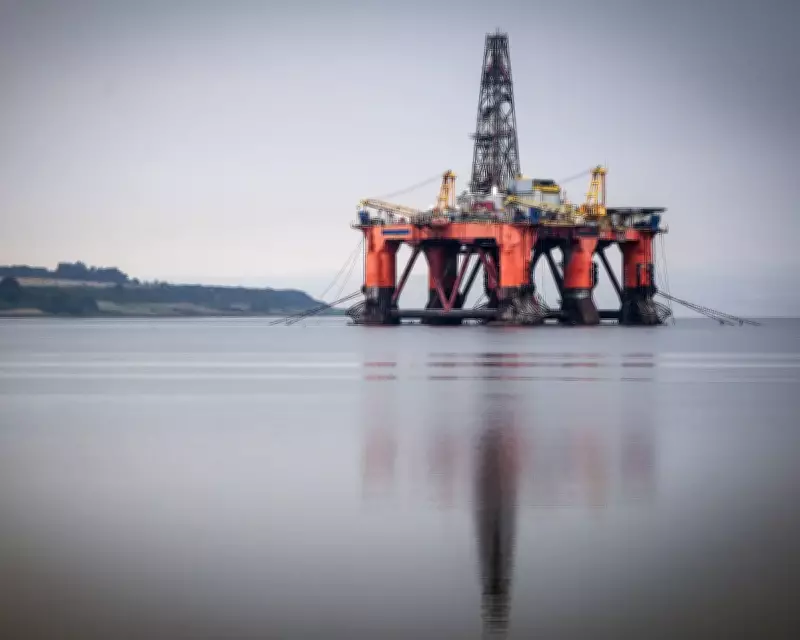
Economists and energy experts have issued a stark warning to the UK government: easing or abolishing the windfall tax on North Sea oil and gas producers would do nothing to alleviate the burden on hard-pressed consumers. Instead, such a move would merely inflate the already substantial profits of energy companies, according to analysis shared with leading media outlets.
Chancellor Reeves Considers Tax Cuts Amid Soaring Oil Prices
Chancellor Rachel Reeves is reportedly evaluating potential reductions to the energy profits levy, or even its complete removal in favor of a lower duty. This consideration comes as oil prices surged to $100 per barrel on Monday, driven by ongoing tensions in the Middle East, including the US-Israel offensive on Iran, which shows no signs of abating.
The windfall tax was originally implemented in 2022 during the previous oil crisis, triggered by Russia's invasion of Ukraine. That conflict sent oil and gas prices skyrocketing, allowing producers to reap windfall profits as production costs remained stable while market prices jumped by over 50% within weeks.

Why Tax Cuts Won't Help Consumers
Simon Cran-McGreehin, head of analysis at the Energy and Climate Intelligence Unit thinktank, emphasized that the tax is levied on producers' profits, not their output. Since the price per barrel is dictated by international markets, UK producers cannot pass the tax burden on to end consumers. "It's an upstream tax, so it does not impact the end consumer," he explained.
Some proponents of scrapping the tax argue that it would stimulate investment in the North Sea, potentially boosting production. However, Alex Chapman, a senior economist at the New Economics Foundation, countered this notion. He pointed out that North Sea producers could fund investments with their current bumper profits from soaring prices, rather than requiring tax breaks. "The Treasury should look to real opportunities for growth, not this," Chapman stated.
International Comparisons and Economic Realities
Bob Ward, policy director at the Grantham Research Institute at the London School of Economics, highlighted that the 78% tax rate on UK North Sea profits is roughly equivalent to what Norwegian producers pay. This challenges claims that the levy puts Britain at an international disadvantage.
The windfall tax has generated approximately £12 billion in revenue, a figure that pales in comparison to the £56 billion spent by the government to support consumers during the 2022-23 energy price spike. Ward cautioned: "It seems a bit premature for the government to consider removal of the energy profits levy now, with energy companies again set to make windfall profits and the possibility that the government may yet again have to spend taxpayers' money to protect consumers."
The Futility of New Drilling and the Path Forward
Calls for new drilling in the North Sea are misguided, experts argue. Such projects would take over a decade to become operational, offering no relief in the current crisis. In contrast, accelerating the deployment of renewables and promoting electric vehicles could deliver significant benefits much sooner.
Robert Palmer, deputy director of the campaigning group Uplift, dismissed the idea that the North Sea could drive UK economic growth as "a fantasy, a pipe dream by a declining industry – because this is about geology, not politics." He urged the government to prioritize investments in clean energy instead.
Palmer added: "All of us are about to get poorer – except the oil and gas companies and their shareholders. It's pretty incredible that these companies are lobbying now for even less tax."
Practical Advice for Consumers
For households struggling with high energy costs, experts recommend practical steps to reduce dependence on fossil fuels. Those able to do so should consider switching from large petrol and diesel SUVs to public transport or electric vehicles. Additionally, installing heat pumps, improving insulation, and adding solar panels can help lower energy bills and contribute to a more sustainable future.

As geopolitical tensions continue to drive volatility in energy markets, the debate over the windfall tax underscores the complex interplay between corporate profits, consumer protection, and the urgent need for a transition to cleaner energy sources.