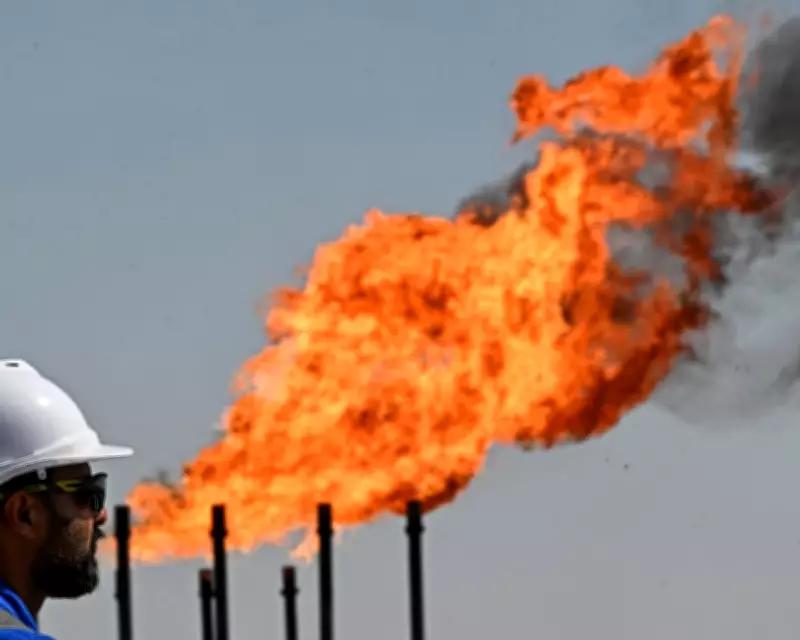
Oil prices have climbed to their highest point since 2022, following a landmark ceasefire agreement between the United States and Iran. The deal, announced on Wednesday, has significantly reduced tensions in the strategically vital Strait of Hormuz, a key chokepoint for global oil shipments.
Ceasefire Sparks Rally
Brent crude, the international benchmark, surged past $95 per barrel, marking a level not seen in over three years. West Texas Intermediate (WTI) also jumped, crossing the $90 threshold. The rally comes after weeks of heightened rhetoric and military posturing in the Persian Gulf, which had threatened to disrupt the flow of about 20% of the world's oil.
Market Reaction
Investors responded enthusiastically to the news, with energy stocks leading gains on major exchanges. The ceasefire is seen as a de-escalation that removes the immediate risk of a blockade or military confrontation in the Strait of Hormuz. However, some analysts caution that the rally may be short-lived, as underlying supply concerns persist.

Geopolitical Context
The agreement follows months of indirect negotiations brokered by Oman and Qatar. Key provisions include a mutual halt to attacks on commercial shipping and a framework for broader talks on Iran's nuclear program. The US has also agreed to ease some sanctions on Iranian oil exports, which could add supply to the market in the coming months.
Impact on Global Economy
Higher oil prices have broad implications for the global economy. While oil-producing nations benefit from increased revenues, importing countries face inflationary pressures. The International Energy Agency (IEA) has warned that sustained prices above $100 could slow economic growth, particularly in developing nations.
Analyst Views
"The ceasefire is a positive development, but the market remains volatile," said Sarah Johnson, an energy analyst at Global Markets Insight. "We need to see concrete implementation before we can be confident in a sustained price decline." Others point to the potential for increased Iranian exports as a stabilizing factor.
Looking Ahead
The next few weeks will be critical as the ceasefire terms are put into practice. Shipping insurance rates in the region have already begun to fall, and tanker traffic is expected to normalize. However, the broader geopolitical landscape remains complex, with tensions between Iran and Israel, as well as ongoing conflicts in Ukraine and Sudan, continuing to influence energy markets.
In summary, the US-Iran ceasefire has provided a temporary boost to oil prices, but the long-term outlook depends on sustained diplomatic progress and global demand trends.