Oil Markets in Turmoil as Iran Opens Vital Shipping Lane
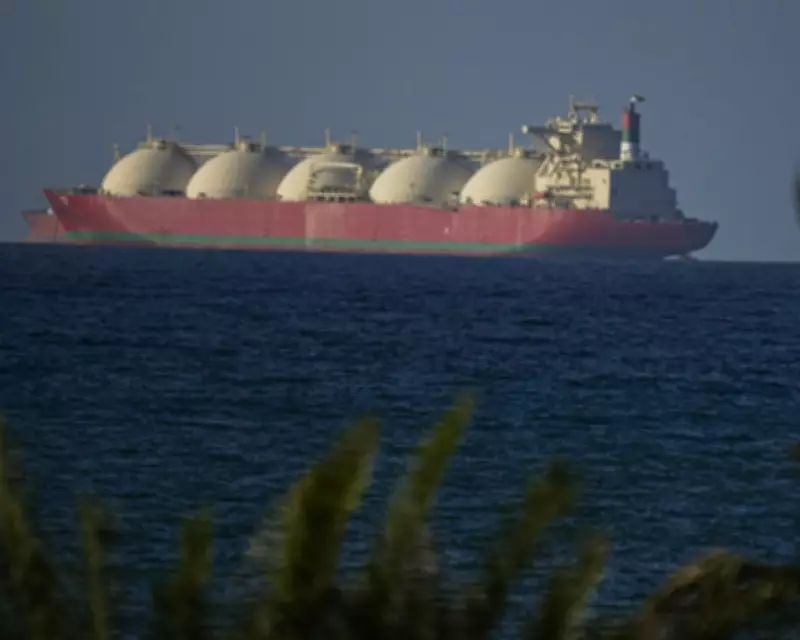
Global oil markets have experienced a seismic shift today, with crude oil prices plunging by a staggering 10% following a major announcement from Iran. The country's foreign minister, Abbas Araghchi, declared via social media that the strategically crucial Strait of Hormuz is now "completely open" for commercial shipping.
Ceasefire Agreement Triggers Market Reaction
This dramatic development comes directly in the wake of a ceasefire agreement reached overnight between Israel and Lebanon. Araghchi explicitly linked the opening of the waterway to this diplomatic breakthrough, stating that the passage would remain open for the duration of the ceasefire period. He emphasized that all commercial vessels must adhere to the "coordinated route" previously established by Iran's Ports and Maritime Organisation.
The immediate market impact was profound. Brent crude, the international benchmark for oil prices, plummeted below the $90 per barrel threshold, marking one of the most significant single-day drops in recent memory. This sharp decline reflects surging market optimism that energy supplies, which had faced weeks of disruption and uncertainty, could now resume flowing more freely through this critical maritime chokepoint.

Verification and Broader Diplomatic Context
While the social media account used by Araghchi for the announcement is not officially verified, the news gained further traction when former U.S. President Donald Trump corroborated the development on his Truth Social platform. Trump's post, written in his characteristic style, declared: "IRAN HAS JUST ANNOUNCED THAT THE STRAIT OF IRAN IS FULLY OPEN AND READY FOR FULL PASSAGE. THANK YOU!"
This announcement arrives against a backdrop of already building market optimism. Recent reports from Axios had indicated that the United States and Iran were engaged in negotiations concerning a potential three-page plan aimed at ending regional hostilities. A key element of these discussions, as reported, involves a proposed exchange where the U.S. would release approximately $20 billion in frozen Iranian assets. In return, Iran would agree to relinquish its stockpile of enriched uranium, a major point of international contention.
The confluence of the ceasefire and the potential for broader U.S.-Iran diplomacy has created a powerful sentiment shift among traders and analysts. The reopening of the Strait of Hormuz, a narrow passage through which about one-fifth of the world's oil supply typically flows, is seen as a critical step toward stabilizing global energy markets and easing supply chain pressures that have contributed to volatile pricing in recent months.