Iran War Disrupts LNG Supplies, Sparking Calls for Strategic Gas Reserve
While Britain may not be facing an immediate gas shortage, the ongoing conflict in Iran has severely disrupted global liquefied natural gas supplies, prompting urgent calls for the establishment of a serious strategic gas reserve. Energy Minister Michael Shanks has correctly noted that the current setup appears secure, but the geopolitical instability underscores why enhanced storage capacity is becoming essential.
Current Gas Infrastructure and Vulnerabilities
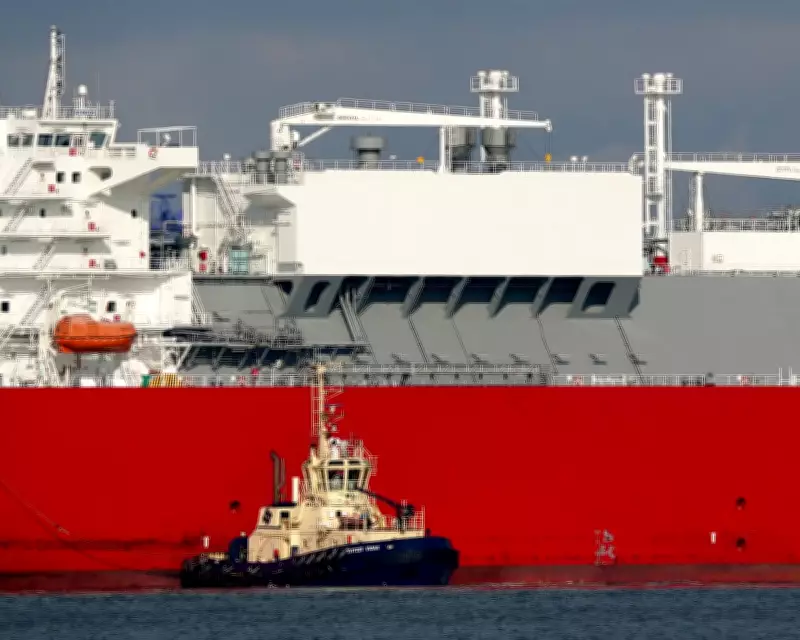
Approximately 75% of Britain's gas supply originates from domestic North Sea fields and the extensive Langeled pipeline connecting to Norway, sources currently unaffected by the Iran conflict. Imported liquefied natural gas typically constitutes around 18% of supplies, but market disruptions have emerged as Qatar, representing about one-fifth of the global LNG market, has halted production.
The remaining LNG market continues to operate, though at significantly elevated prices, with the United States dominating British imports. Additionally, interconnectors to the Netherlands and Belgium integrate Britain's gas system with continental Europe, providing further diversity. However, this configuration reveals critical vulnerabilities that demand attention.

Three Compelling Reasons for Increased Gas Storage
First, potential price crunches loom if the war persists. Gas experts warn that prolonged conflict could render the LNG market dysfunctional, preventing European nations from replenishing their storage facilities during summer months. This scenario would force Britain to pay substantial premiums to attract gas flows via interconnectors during winter, highlighting the advantage of maintaining an independent strategic reserve to buffer such fluctuations.
Second, infrastructure risks pose a significant threat. A government report by the energy system operator last year identified an "emerging" risk of gas shortages from 2030-31, particularly if decarbonisation targets are missed. The report emphasized vulnerabilities in critical infrastructure, such as LNG import terminals or the Langeled pipeline, which could fail during extreme winter conditions. While additional LNG terminals were proposed as a solution, they offer little protection if cargoes become unreliable, making enhanced storage the only viable safeguard.
Third, the transition to renewable energy introduces new complexities. Leading energy economist Dieter Helm argues in a recent report that gas remains indispensable for Britain's energy security, especially as wind and solar generation's intermittency renders gas power stations equally unpredictable. With the government planning to retain a 35GW gas fleet as backup, Helm advocates for a strategic gas reserve and compensation mechanisms for gas plants to ensure availability, whether through capacity contracts or nationalisation.
Government Response and Future Implications
Centrica's Rough storage facility off Yorkshire was partially reopened following price spikes after Russia's invasion of Ukraine, but the company incurred losses of £45 million last year and has paused injections pending government price-support agreements. This hesitation reflects broader governmental resistance to storage investments due to cost concerns.
While Minister Shanks can reasonably assert that two days' storage suffices for now, the Iran conflict and escalating geopolitical tensions accelerate the need for a forward-looking strategy. The dynamics of energy transition, coupled with these new geopolitical realities, make a compelling case for expanding gas storage capacity to ensure long-term energy resilience and security.