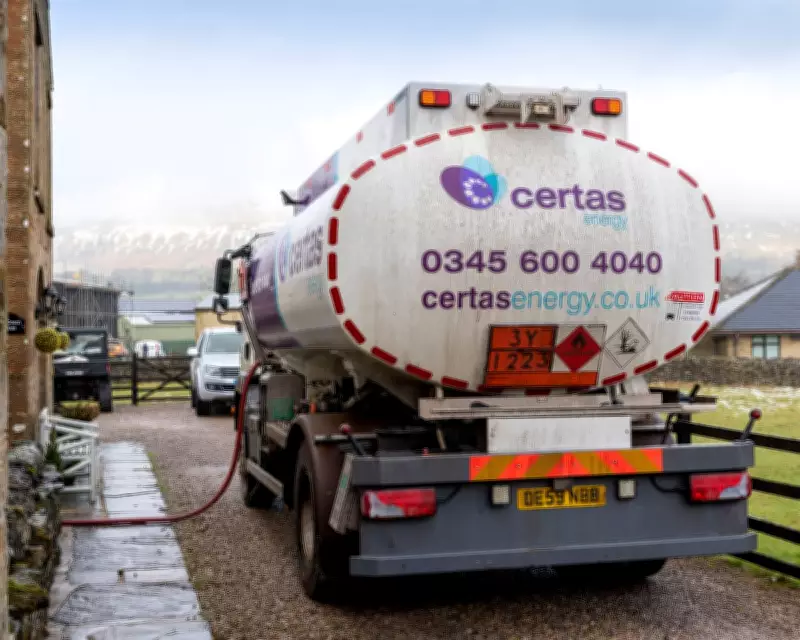
UK Heating Oil Crisis Deepens as Bills Nearly Triple Amid Iran Conflict
Rural households across the United Kingdom that depend on heating oil for warmth and hot water are confronting what charities describe as a "sudden and frightening" escalation in their energy expenses. Prices have skyrocketed, nearly tripling since the onset of the Iran war, creating severe financial strain for approximately 1.7 million homes nationwide.
Government Response and Price Surge Details
Chancellor Rachel Reeves has acknowledged the "unique challenges" facing heating oil users, raising prospects of governmental intervention. She announced that officials would convene with rural and Northern Ireland MPs to explore "further action" to alleviate the crisis. This development comes as heating oil, typically a form of kerosene linked to jet fuel prices, remains outside Ofgem's energy price cap, leaving consumers vulnerable to market fluctuations.
In concrete examples, customers who previously paid around 62p per litre before the conflict are now receiving quotes as high as £1.73 per litre. The situation is particularly acute in Northern Ireland, where heating oil serves as the primary heating source for two-thirds of households.

Supply Chain Disruptions and Consumer Struggles
The crisis has triggered widespread supply chain disruptions, with numerous households reporting cancelled delivery orders. Emma Simpson, chief executive of Rural Action Derbyshire, revealed that their supplier is now limiting orders to 500 litres per household due to market volatility—a quantity that traditionally represents the minimum order threshold.
Simpson emphasized the dire circumstances: "People who rely on heating oil are facing a sudden and frightening surge in cost. We may be heading into spring, but anyone running low on oil right now doesn't have the luxury of waiting for prices to fall. For some, the decision to order or not will come down to whether they can realistically afford it, and that is a really hard position to be in."
Panic Buying and Regional Impacts
Panic buying has exacerbated price pressures, disrupting typical seasonal patterns where costs would normally decline as warmer months approach. Consumers across various regions have shared harrowing experiences:
- A Hampshire resident attempting to order 1,000 litres through online broker BoilerJuice was informed that high demand prevented any quote from being provided.
- Jo Teather from Cornwall witnessed the cost of 500 litres surge from approximately £340 to £858 within a single week, prompting her to draw from savings set aside after similar price hikes following Russia's invasion of Ukraine.
Teather recounted: "It went up to over £1,000 for 500 litres after Ukraine. Last Sunday I thought: 'I'm just going to buy it now'... I'm so glad we bought when we did."
Industry and Regulatory Responses
UKIFDA, the trade body for heating oil distributors, attributes the price increases to elevated jet fuel costs in Europe, noting that suppliers purchase fuel "almost daily," causing rapid pass-through to consumers. Meanwhile, the Competition and Markets Authority has issued warnings to suppliers regarding fair treatment of customers.
Emma Cochrane, acting executive director for consumer protection at the regulator, stated: "Generally, we would expect that customers who have placed orders for heating oil should receive it at the agreed price. Suppliers should be clear what they are charging and terms must be fair. We won't hesitate to take action if we suspect that consumer or competition law is being broken."
BoilerJuice has responded to customer complaints on Trustpilot about cancelled orders, apologizing and explaining they are "working closely with all our delivery partners to improve communication and ensure that any cancellations or changes are communicated to customers as quickly as possible."
As the crisis unfolds, rural communities brace for continued uncertainty, with government intervention potentially offering the only respite from what has become an unsustainable financial burden for hundreds of thousands of UK households.