Energy Secretary Projects Extended High Gas Prices Through 2027
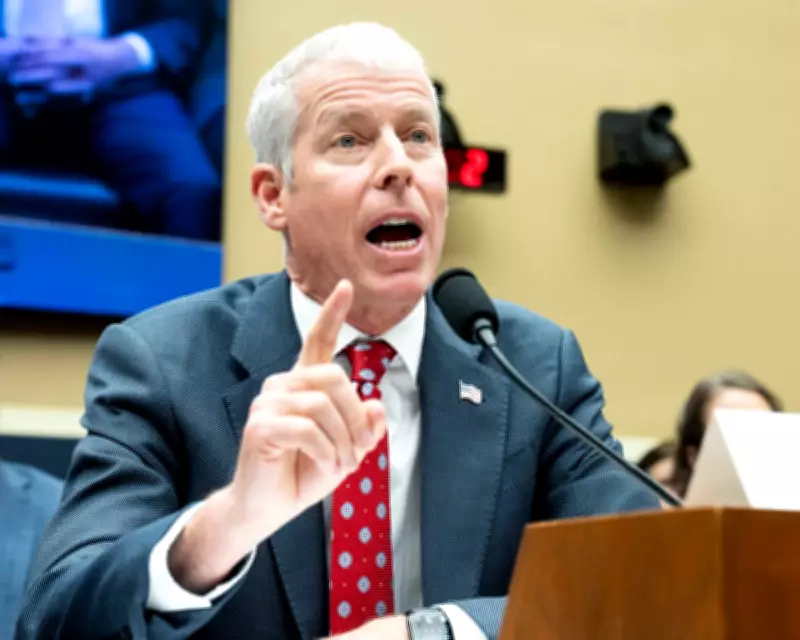
Chris Wright, the US Secretary of Energy under the Trump administration, delivered sobering news during a congressional hearing in Washington DC on April 16, 2026. When pressed about the timeline for gasoline prices to return below the $3 per gallon threshold, Wright responded with uncertainty, suggesting it might not occur until 2027.
Uncertain Timeline for Price Relief
During an interview on CNN's State of the Union with host Jake Tapper, Wright was asked directly when Americans could realistically expect gasoline prices to drop below $3 per gallon. "I don't know," Wright admitted. "That could happen later this year. That might not happen until next year."
Despite this uncertainty, Wright maintained that prices had likely peaked and would begin declining. He specifically pointed to the ongoing conflict in Iran, which began in late February with US and Israeli involvement, as a key factor driving energy prices upward. Wright suggested that a resolution to this conflict would lead to lower energy costs across the board.

Historical Context and Campaign Promises
The current situation represents a significant departure from campaign promises made during Donald Trump's successful 2024 presidential bid. Trump campaigned aggressively on lowering gasoline prices, even pledging to bring them below $2 per gallon. "Energy is going to bring us back," Trump declared in a September 2024 campaign speech. "That means we're going down and getting gasoline below $2 a gallon, bring down the price of everything from electricity rates to groceries, air fares, and housing costs."
Wright acknowledged the historical significance of sub-$3 gasoline, noting that "under $3 a gallon is pretty tremendous in inflation-adjusted terms." He added, "We had that in the Trump administration, but we hadn't seen that in inflation-adjusted terms for quite a long time. We will get back there, for sure."
Geopolitical Factors Driving Price Increases
The dramatic increase in gasoline prices followed Iran's response to attacks by the US and Israel, which included twice closing the Strait of Hormuz. This critical waterway facilitates the transit of a significant portion of the world's petroleum and oil supply. In response to Iran's control of the strait, Trump ordered a US naval blockade of Iranian ships.
The situation escalated further when US forces fired on and seized an Iran-flagged container ship that attempted to breach the blockade. These geopolitical tensions have had a direct impact on energy markets, with gasoline prices soaring from an average of $2.98 per gallon before the Iran conflict to $3.98 per gallon by late March.
Current Market Conditions and Public Sentiment
US gasoline price averages have stabilized above $4 per gallon throughout April, with expectations that the ongoing conflict will continue to drive up costs for various goods and services. An NBC poll conducted on Sunday surveyed more than 32,000 adults and found significant public dissatisfaction with the current situation.
The poll revealed that 67% to 68% of respondents "somewhat" or "strongly" disapproved of Trump's handling of both the Iran war and domestic inflation and cost-of-living issues. This public sentiment reflects the economic strain many Americans are experiencing due to elevated energy costs.
Contrasting Statements from Earlier Interviews
Wright's recent comments represent a shift from positions he had taken in earlier interviews. During a March 15 conversation with NBC's Meet the Press, when asked if gasoline prices would drop below $3 per gallon by summer, Wright responded that there was "a very good chance that'll be true."
Similarly, on March 8, Wright told Tapper regarding surging gasoline prices: "In the worst case, this is a weeks – this is not a months thing." These earlier optimistic projections contrast sharply with his current assessment that relief might not come until 2027.
The energy secretary's evolving position highlights the complex interplay between geopolitical events, market forces, and energy policy that continues to shape the economic landscape for American consumers facing persistently high fuel costs.