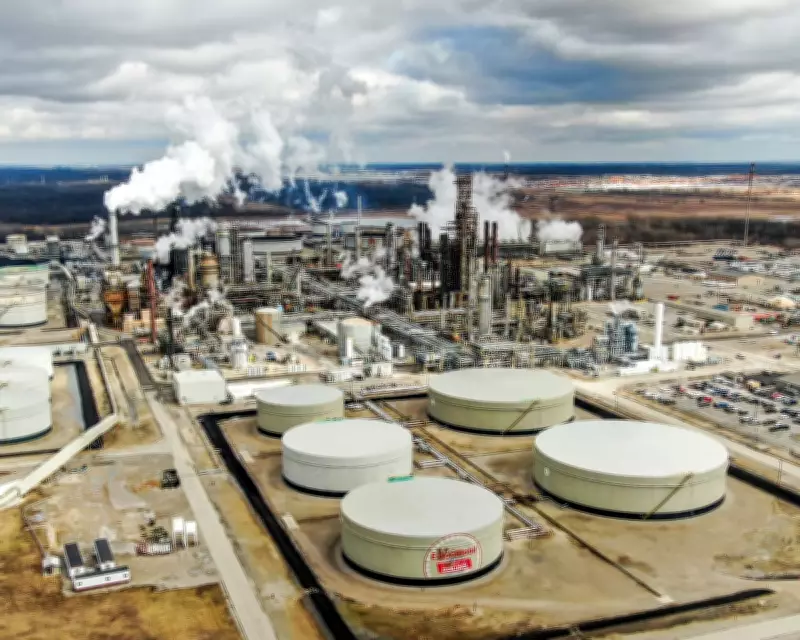
Escalating military conflict in the Middle East has triggered a dramatic surge in global oil prices, pushing the cost of crude above $100 per barrel for the first time since 2022 and prompting urgent discussions among world leaders about releasing emergency petroleum reserves to stabilize markets.
Emergency G7 Meeting Called as Prices Spike
Finance ministers from the G7 nations are preparing for an emergency conference call coordinated by the International Energy Agency to discuss the release of strategic oil reserves, according to reports from the Financial Times. The meeting, scheduled for 8:30 AM New York time, comes as continued violence between the United States, Israel, and Iran has created significant supply disruptions and investor anxiety.
At least three G7 countries, including the United States, have reportedly expressed support for tapping into the emergency reserves held by the IEA's 32 member nations across the globe. American officials believe a coordinated release of 300 million to 400 million barrels would be appropriate, representing approximately 25% to 35% of the 1.2 billion barrels currently held in strategic reserves worldwide.

Market Turmoil and Supply Disruptions
The price surge follows significant disruptions to Middle Eastern oil infrastructure and transportation routes. At least five energy sites in and around Tehran were struck by military action, while Kuwait's national oil company announced precautionary production cuts amid retaliatory attacks by Iran. Most critically, the Strait of Hormuz—through which approximately one-fifth of global oil and seaborne gas tankers typically pass—has been effectively closed for a week, creating a severe bottleneck in global energy supplies.
Brent crude, the international benchmark for oil prices, jumped by as much as 29% to $119.50 per barrel in early trading on Monday before paring back slightly to $106.73 after news of the planned G7 meeting. This still represents a substantial 15% increase and marks the highest price level in four years. Asian stock markets fell sharply in response to the price surge as investors worried about a potential supply crunch and broader economic consequences.
Political Responses and Warnings
Former President Donald Trump acknowledged the price increases but described them as "a very small price to pay" for "World Safety and Peace," characterizing the economic impact as a "short term" consequence of military action against Iran. Meanwhile, Iranian officials warned that continued strikes on energy infrastructure could push prices even higher, with a spokesperson for the country's Revolutionary Guard Corps stating: "If you can tolerate oil at more than $200 per barrel, continue this game."
Historical Context of Emergency Reserves
The emergency oil reserve system was established as part of the creation of the International Energy Agency in 1974 following the Arab oil embargo, which triggered a dramatic jump in crude prices and created a fuel crisis across Western nations. Since its inception, the IEA has coordinated five collective releases from strategic reserves, with the most recent two occurring in response to Russia's invasion of Ukraine in 2022.
The current situation represents one of the most significant tests of the emergency system in decades, as geopolitical tensions combine with actual supply disruptions to create perfect storm conditions for energy markets. Analysts warn that sustained high oil prices could trigger broader inflationary pressures and potentially slow global economic growth at a time when many nations are still recovering from pandemic-related disruptions.
As G7 ministers prepare for their emergency discussion, market participants will be watching closely for any coordinated action that might help stabilize prices and prevent the kind of economic damage that followed previous oil price shocks. The outcome of these discussions could have significant implications for everything from gasoline prices at the pump to broader monetary policy decisions by central banks worldwide.