Government Announces Major Energy Price Overhaul to Cut Fossil Fuel Dependence
The UK government has unveiled a comprehensive plan to overhaul the national electricity pricing system, aiming to sever the long-standing link between electricity costs and volatile fossil fuel markets. Energy Secretary Ed Miliband announced the intervention, which seeks to shield households from sudden price spikes driven by global gas market fluctuations.
Breaking the Fossil Fuel Price Link
Under the proposed measures, the government will work to weaken the connection between electricity and gas prices within the next year. This move comes as conflicts in Ukraine and the Middle East have highlighted Britain's vulnerability to international energy market disruptions. The plan involves expanding fixed-price contracts for renewable and nuclear energy generators, ensuring more electricity is sold at stable, predictable rates.
Prime Minister Keir Starmer emphasized the urgency of the reforms, stating, "We need to get off the fossil fuel rollercoaster. This will make energy bills more stable and take the pressure off family budgets. When global gas prices spike, people here shouldn't be picking up the tab."

Windfall Tax Increase and Industry Response
Chancellor Rachel Reeves will raise the windfall tax on low-carbon electricity generators from 45 percent to 55 percent, using the additional revenue to support consumers and businesses struggling with energy costs. The electricity generator levy, originally introduced in 2022 to address excess profits during the Ukraine crisis, will now target approximately one-third of Britain's power supply from legacy clean energy plants.
UK Sustainable Investment and Finance Association CEO James Alexander welcomed the measures, saying, "Secretary of State Ed Miliband is right that the lasting lesson of the recent energy crisis is the need to end the UK's long-term reliance on oil and gas. These steps need to be put into action rapidly so both UK and global investors have the confidence to deploy billions of pounds of capital at scale."
Political Opposition and Industry Calls for Further Action
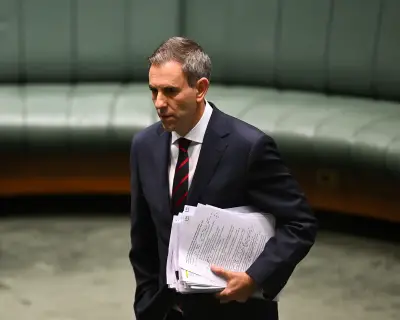
Shadow Chancellor Mel Stride criticized the government's approach as "too little too late," arguing in Parliament that the current energy crisis demonstrates the damaging effects of net zero policies on the economy. He called for "an urgent change in course" and a comprehensive cheap power plan to immediately reduce bills.
Industry representatives have urged more extensive reforms. Ben Martin, policy manager at the British Chambers of Commerce, noted that wholesale prices represent only one component of energy bills, emphasizing the need for parity between business and domestic levies and better management of the North Sea energy transition.
Miliband's Clean Energy Commitment
Speaking at the National Growth Debate, Miliband vowed to "double down, not back down" on the transition to clean energy, declaring that "the era of fossil fuel security is over." He argued that clean energy now represents the only viable path to financial, energy, and national security for Britain and many other nations.
The announcement comes as consumers face rising petrol prices and anticipated energy bill increases in the upcoming July price cap period, though the expected rise is now projected to be smaller than initially feared.