UK Indoor Growers Sound Alarm Over 'Eye-Watering' Energy Standing Charge Rise
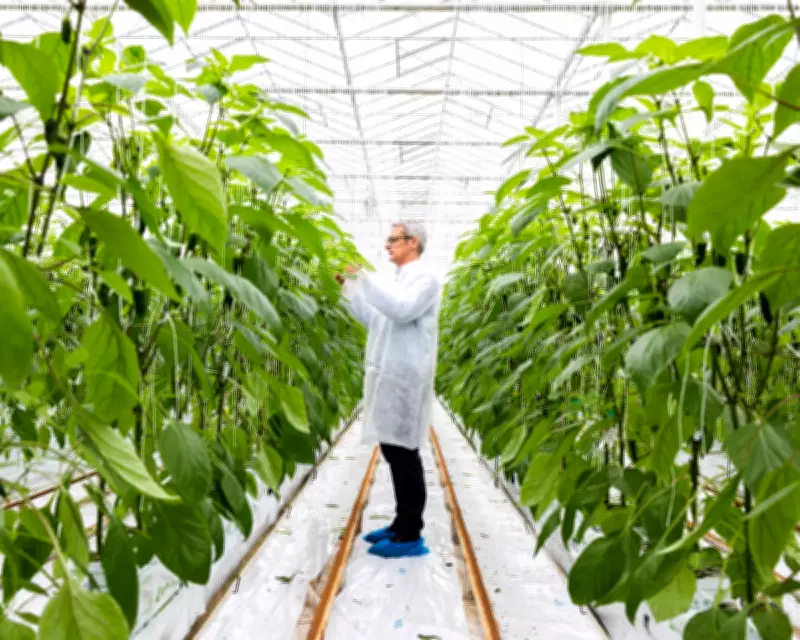
Rob James, the technical director at Thanet Earth, stands amidst the regimented rows of pepper plants in one of the company's vast glasshouses in Kent. 'It's a ticking timebomb,' he declares, referring to the significant increase in electricity standing charges set to take effect on 1 April. This surge threatens to undermine the competitiveness of the UK's protected horticulture sector and drive up costs for consumers at the checkout.
Soaring Costs and Production Challenges
On a blustery February day outside, conditions are far from ideal for growing tomatoes, cucumbers, and peppers. Yet inside Thanet Earth's glasshouses, the climate is meticulously controlled at a humid 20°C, powered by substantial energy inputs for light, warmth, and carbon dioxide. The upcoming rise in standing charges—fixed daily costs for accessing the UK's energy network—is projected to add £900,000 annually to Thanet Earth's existing energy bill. This equates to a 5% increase in total tomato production costs, with future hikes expected to escalate additional annual energy costs to £1.6 million by 2028.
These escalating charges severely impact profitability, competitive edge, and reinvestment capabilities, James emphasizes. The company, which supplies most major UK supermarket chains, estimates harvesting 750,000 snacking peppers weekly at the peak season, running until November. As staff navigate the glasshouses on powered carts, the vibrant pink LED lights illuminating tomato plants create a scene reminiscent of a plant disco, underscoring the energy-intensive nature of year-round indoor farming.
Industry-Wide Warnings and Unfair Classifications
Thanet Earth operates the UK's largest glasshouse complex, spanning 51.5 hectares (127 acres) and producing hundreds of millions of crops annually since its inception in 2008. However, it is not alone in its struggles. Many UK indoor growers warn they cannot absorb a 60% increase in standing charges, let alone further anticipated rises. This pressure may force price hikes or production halts, exacerbating food price inflation.
Standing charges fund upgrades to the grid and the transition to a low-carbon energy system, but industry bodies argue the current system is unfair. Power-hungry sectors like steel, chemicals, cement, and glass—classified as 'energy intensive users'—receive support exempting them from charge increases under the 'British Industry Supercharger' scheme introduced in 2024. In contrast, food producers are excluded due to outdated Standard Industrial Classification (SIC) codes that do not categorize them as manufacturers, despite similar energy intensities.
Simon Conway, chair of the British Tomato Growers' Association (BTGA), highlights the severity: 'These are eye-watering numbers for these individual businesses and they can't absorb it. The costs will have to go into food inflation.' He warns that for many growers, it's a question of survival, potentially halting all investment.
Broader Context and Government Response
This energy crisis compounds existing challenges for growers and farmers, including labour shortages, adverse weather, post-Brexit subsidy changes, rising costs, and falling wholesale prices. The fragility of global food supply chains has been exposed by devastating winter storms in Spain and Morocco, which have damaged crops and disrupted imports that UK retailers rely on during colder months.
Despite Keir Starmer's acknowledgment in the Labour manifesto that 'food security is national security,' growers feel the government has not acted with urgency. Thanet Earth recently completed a £25 million seventh glasshouse but has paused plans for two more due to uncertainty over energy costs. James notes the frustration of making such investments only to face higher bills, which could disadvantage British growers compared to Dutch counterparts who benefit from more supportive energy policies.
Ironically, Thanet Earth is a net exporter of energy, generating enough electricity to power 35,000 homes by burning gas and using the by-products for crop growth. The company employs up to 900 people seasonally and reported a pre-tax profit of nearly £3 million on sales of £164 million in the year to April 2025. Growers accept the need to fund grid upgrades but argue the burden is unfairly distributed, even for those investing in renewables.
A government spokesperson stated that fruit and vegetable growers play a crucial role in economic growth and that horticulture will be supported as a priority sector. They added that infrastructure investments aim to increase renewables on the grid, reduce fossil fuel reliance, and lower bills. The government has committed to reviewing the supercharger scheme this year to ensure support targets the most energy and trade-intensive sectors.
As the National Farmers' Union gathers in Birmingham, the industry's calls for relief from standing charges grow louder, highlighting a critical juncture for UK food security and affordability.