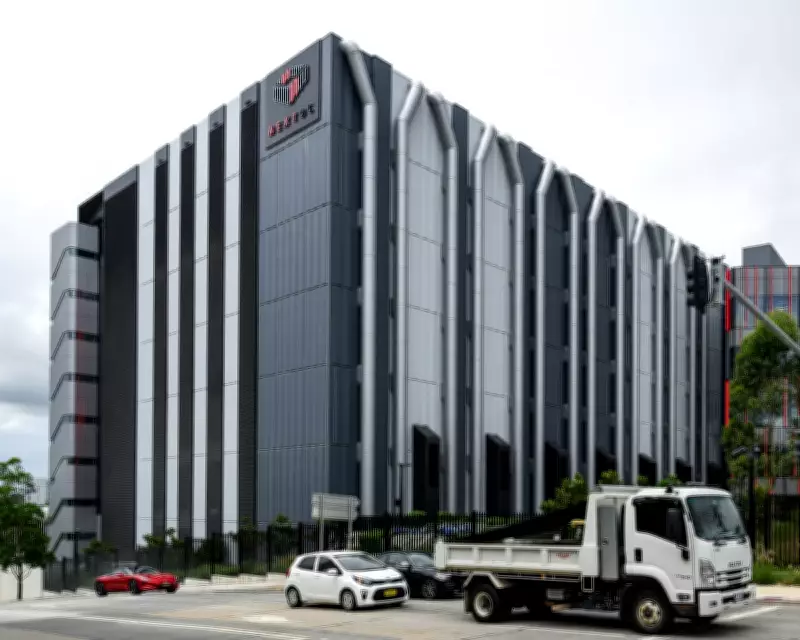
Australia's rapidly expanding data centre industry is becoming a major driver of investment in wind and solar energy, as technology companies seek to power their operations with renewable sources. The trend is reshaping the country's energy landscape, with billions of dollars flowing into large-scale renewable projects to meet the growing demand from data centres.
Renewable Energy Boom Fueled by Data Centres
Data centres, which require vast amounts of electricity to run servers and cooling systems, are increasingly turning to renewable energy to reduce their carbon footprint and operational costs. In Australia, this has led to a surge in investment in wind and solar farms, with several major tech companies signing long-term power purchase agreements (PPAs) to secure clean energy.
According to industry analysts, the capacity of renewable energy projects contracted by data centres in Australia has more than doubled in the past two years, reaching over 5 gigawatts. This is equivalent to powering more than 1.5 million homes. The trend is expected to accelerate further as data centre demand continues to grow, driven by cloud computing, artificial intelligence, and streaming services.

Major Projects Underway
Several large-scale renewable energy projects have been announced in response to data centre demand. In New South Wales, a 1.2 GW solar farm combined with battery storage is being developed to supply power to a new data centre hub. Similarly, in Victoria, a wind farm with a capacity of 800 MW is being built to power multiple data centres in Melbourne.
These projects are not only providing clean energy but also creating jobs and stimulating local economies. The Australian Renewable Energy Agency (ARENA) has provided funding for some of these initiatives, highlighting the government's support for the transition to a low-carbon economy.
Challenges and Opportunities
Despite the positive momentum, there are challenges to overcome. The intermittent nature of wind and solar power requires robust energy storage solutions and grid upgrades to ensure reliable supply. Additionally, the rapid growth of data centres is putting pressure on land and water resources in some regions.
However, the opportunities are significant. The data centre industry's commitment to renewable energy is helping to drive down the cost of wind and solar power, making them more competitive with fossil fuels. It is also encouraging innovation in energy storage and grid management.
Experts say that Australia is well-positioned to become a global leader in powering data centres with renewable energy, given its abundant solar and wind resources. The country's stable regulatory environment and strong investor appetite for green projects are also key factors.
Conclusion
The intersection of data centre growth and renewable energy investment is creating a virtuous cycle in Australia. As tech companies continue to expand their digital infrastructure, they are simultaneously accelerating the transition to a cleaner energy future. This trend is expected to have lasting benefits for the environment, the economy, and the energy sector.