
Tradeswomen Provide Safe Haven in Domestic Abuse Refuges Amid Industry Growth
In a significant shift for the UK's construction sector, tradeswomen are playing a crucial role in enhancing safety and comfort for survivors of domestic abuse. Data from the Office for National Statistics reveals that there were 48,000 tradeswomen in the UK in 2021, marking a substantial growth of 41% from 2006. Despite this progress, women still represent only about 4% of the total trades workforce, with construction consistently ranked as the most male-dominated industry in the country.
Addressing Trauma Through Female-Led Services
Domestic abuse charities, such as Refuge, are increasingly turning to female tradespeople to maintain their properties, citing the distressing impact male contractors can have on survivors. Lisa Cantwell-Hope, head of property services at Refuge, explained, "The presence of men can be distressing and could trigger past traumas for our survivors. Male contractors need an escort to make our residents feel more comfortable, which adds time and complexity to our operations." With 64 homes under its care, Refuge faces ongoing challenges in balancing maintenance needs with therapeutic environments.
Regional Disparities and Apprenticeship Surge
Regionally, the West Midlands leads with tradeswomen making up 4.4% of all tradespeople, outperforming London at 2.98% and the south-west at 2.24%. However, in areas like the East Midlands, north-east, Northern Ireland, Scotland, south-east, and Wales, women constitute less than 1% of tradespeople, according to 2023 data from My Local Toolbox. Encouragingly, the number of women taking construction and engineering apprenticeships rose by 73% between 2019 and 2022, signaling a positive trend toward greater gender diversity in the field.
Innovative Partnerships and Growing Demand
To source female workers, Refuge has partnered with TaskHer, an online directory founded by Anna Moynihan and her husband in 2021. Moynihan noted, "We realized domestic abuse charities faced similar issues we did personally—creating safe environments for women. It's not just about convenience; it's about ensuring survivors feel secure in their homes." TaskHer initially emerged from unmet consumer demand, particularly from single women, the LGBT community, and those with religious considerations, and now aims to expand beyond London.
Personal Experiences and Industry Challenges
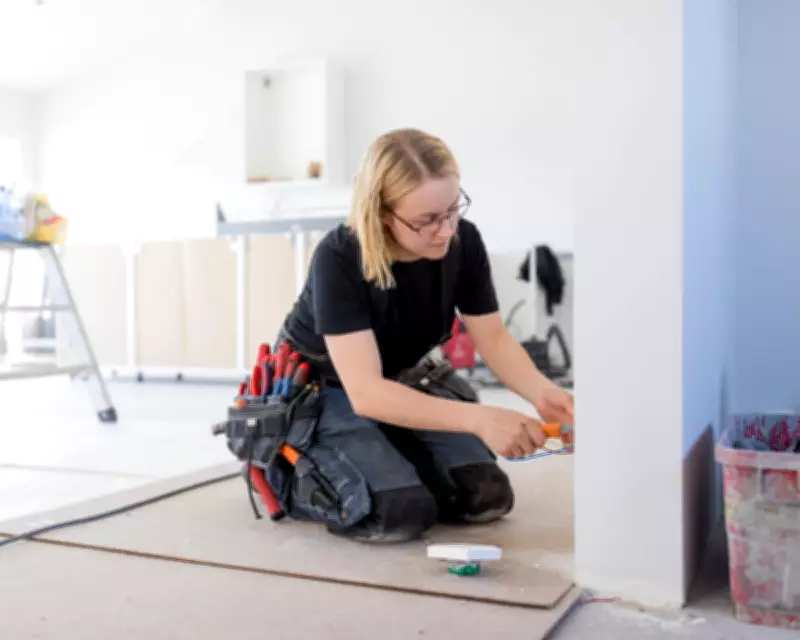
Erin, a 26-year-old electrician in London, has been working with Refuge for several months, performing tasks from odd jobs to electrical upgrades. She shared, "You can feel the anxieties lift slightly when you enter a refuge. It's rewarding to use my skills in scenarios where a tradesman might cause apprehension." Despite encountering few fellow tradeswomen and occasional sexism, Erin observes gradual change, with more women entering roles like gas engineering and plumbing.
This movement highlights a dual benefit: supporting survivors while fostering career opportunities for women in a traditionally male-dominated sector. As charities and businesses collaborate, the hope is for continued growth in tradeswomen numbers, ultimately creating safer, more inclusive spaces across the UK.




