
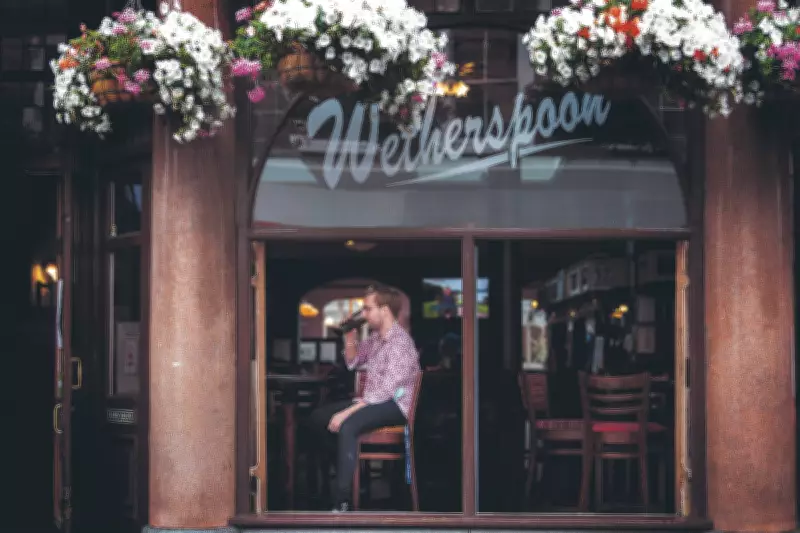
Minimum Wage Is Lowering Living Standards, Warns Wetherspoons Founder
Sir Tim Martin, the founder and chairman of budget pub chain JD Wetherspoon, has issued a stark warning that minimum wage policies are actually lowering people's living standards by restricting companies' ability to increase pay and hire new staff. In a controversial interview, Martin argued that what was intended as a worker safety net has transformed into a political competition that's doing more harm than good.
The Political Wage Race
"The minimum wage seems to be lowering the standards of living by reducing investment and job vacancies and by increasing pay for new starters at the expense of experienced staff," Martin told the Telegraph. "It was supposed to be a safety net but it's turned into a competition between political parties as to who will offer the biggest rise."
This criticism comes as the government confirmed the hourly rate for workers over 21 will rise by 50p to £12.71 from April 2026, while those aged 18-20 will see an 85p increase to £10.85. A decade ago, the minimum wage stood at just £7.20, with the policy originally enacted in 1999 to abolish low pay.
Hospitality Sector Under Pressure
Martin's comments arrive amid growing scrutiny of minimum wage standards, particularly as the UK grapples with a cooling job market. Latest figures reveal headline unemployment has reached a five-year high of 5.2 percent, with inflation-busting wage increases leading businesses to hire fewer staff.
The hospitality sector has been particularly affected, with pubs battling rising business rates alongside increased labor costs. However, from April 2026, pubs in England will receive a 15 percent discount on business rates following industry uproar. Official statistics show the number of payrolled employees fell by 124,000 in the 12 months to January.
Reform Party Proposals
Sir Tim Martin has previously endorsed Reform's proposed £2.3 billion pub support package, arguing it would "utterly transform" the pub landscape. In a stock exchange release, Martin said Reform's proposals would offer pubs "tax parity" with supermarkets through several key measures:
- A 10 percent cut in VAT for the hospitality sector
- A 10 percent reduction in beer duty
- Reversal of Labour's increase in employers' national insurance contributions
- Gradual removal of business rates for pubs
"By eliminating the tax differential between supermarkets and the hospitality industry, and restoring margins to devastated businesses, these changes would enable pubs to regain some, or all, of their lost trade," Martin explained.
Youth Unemployment Concerns
The government has pledged to abolish what it deemed "discriminatory age bands" by scrapping the youth rate of minimum wage, which has existed since the system began in 1999. However, officials are now believed to be reviewing this decision amid fears it will worsen youth unemployment.
Alan Morgan, boss of Bella Italia owner Big Table Group, warned that equalizing pay rates across age groups could backfire. "We completely agree with giving people the same pay for the same experience and outputs," Morgan said. "However, by making the pay rates the same for age groups who have less or no experience, it does create a risk of employers reducing the amount of younger people they employ."
This concern echoes broader trends in the job market, where graduates face high competition, reduced hiring in certain sectors, and decreasing vacancies. Entry-level roles have suffered particularly due to employers' economic concerns and technological changes.
Former Chancellor Jeremy Hunt abolished the youth rate for 21 and 22 year olds during his tenure in 2024, but the current government's plan to extend this to all age groups faces mounting criticism from business leaders who fear it will exacerbate youth unemployment problems.




