The Illusion of Reviving US Manufacturing: A Nostalgia-Driven Policy Failure
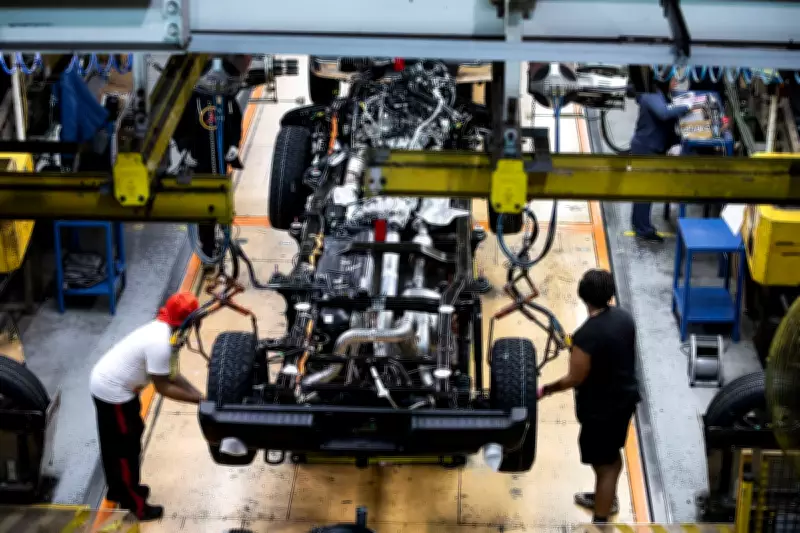
The Ford Dearborn plant in Michigan stands as a symbol of America's industrial past, yet in 2024, it highlights a persistent political fixation on restoring manufacturing glory. This dream, fueled by greasy overalls and hard-hat imagery, resonates deeply in US politics but makes little economic sense, driven more by nostalgia than practical policy.
Historical Roots of Manufacturing Nostalgia
The call to protect America's industrial muscle has echoed for decades, from Ross Perot's 1993 warnings about NAFTA to Donald Trump's promises to bring jobs back from trade deals. Joe Biden similarly centered his agenda on rebuilding manufacturing, unions, and the middle class. In 2024, Trump reignited this pledge, vowing that jobs and factories would roar back into the country. However, this appeal to vintage labor virtues overlooks harsh economic realities.
Politically, these promises have faltered. Studies show job losses in manufacturing counties did not consistently boost Trump's support in 2016, with effects varying by demographic. Despite Biden's aggressive incentives, even rust belt counties that benefited from his manufacturing policies voted for Trump in 2024, indicating a disconnect between political rhetoric and voter response.
Economic Nonsense of Manufacturing Revival
Economically, efforts to restore manufacturing are misguided. Manufacturing accounts for less than 8% of US jobs, a share comparable to agriculture's 2% role in the 19th century. Trump's tariff strategy, targeting imports, proves particularly inept. Over half of US imports are capital equipment and intermediate goods used by domestic manufacturers, with 91% of firms relying on imported components. Tariffs raise input costs, making American companies less competitive, as seen with expensive US steel harming manufacturers.
Biden's approach, while less blunt, has also been ineffectual. Despite massive spending through acts like the Inflation Reduction Act and Chips and Science Act, manufacturing output has not recovered to pre-pandemic levels, stagnating near 20-year lows. Jobs show no revival, and policies have increased costs for capital goods, materials, and wages, while tightening trade barriers like "Buy America" rules.
Structural Shifts and Productivity Stagnation
The decline in manufacturing reflects broader economic progress, as the US shifts from producing goods like phones and cars to delivering services like finance and healthcare. From 2002 to 2022, manufacturing firms declined by 21%, while overall companies grew by 10%. Only beverages and tobacco saw growth, driven by trends like canned kombucha.
Productivity tells a similar story. Once a driver of production gains, manufacturing productivity stalled about 15 years ago, even as overall economic productivity improved. This stagnation undermines arguments for a manufacturing resurgence based on efficiency.
Valid Cases and Misplaced Policies
There is a valid case for nurturing key manufacturing industries, such as advanced semiconductors for national security or energy technologies for carbon reduction. However, campaigns to restore manufacturing to past glory are largely nostalgic. While manufacturing workers earn more on average than service sector employees, this highlights a need for policies to raise low-wage service wages, not protectionist measures that harm consumers.
In summary, the American political class should overcome its nostalgia for manufacturing's heyday. Policies aimed at making manufacturing great again have failed economically and politically, offering little beyond wasted incentives and higher costs for Americans.