Documents released under freedom of information laws show the federal government has advice that Western Australia's gas exports risk slowing Asia's shift to clean energy, according to Adam Morton.
WA's Climate Position Under Scrutiny
Western Australia, known for its blazing sun, stunning beaches, and a potentially successful AFL team, also has a separatist urge that may explain why its government thinks it shouldn't be expected to act on the climate crisis like the east coast. Premier Roger Cook has backed fossil fuel expansions, arguing that increased emissions from gas exports reduce coal burning in Asia. However, documents reveal advice that tells a different story: WA gas risks slowing Asia's clean energy transition.
Annual pollution from WA rose 4% in the latest data, with emissions growing 17% since 2005, while every other state has reduced emissions, largely due to the gas export industry. Despite this, the WA government claims it is serious about addressing the problem.
Recent Revelations Challenge WA's Claims
Two revelations over the past week have further challenged WA's climate stance. First, the Cook government plans to drop a long-held promise to introduce legislated emissions reduction targets for the next decade. Instead, it intends to set targets starting in 2035 for renewable energy and carbon capture and storage—a technology not yet viable at scale. A green exports target would start in 2040. The legislation appears designed to avoid goals that could impinge on the gas export industry.
Second, a modelling report commissioned by Woodside, Australia's biggest gas company, confirmed WA is far from on track to reach net zero emissions by 2050. Deloitte Access Economics found the state could miss that goal by decades even without the contentious $30bn Browse gas basin development. Hitting net zero would require renewable energy deployment at 11 times the rate of the past decade.
Gas Remains a Fossil Fuel
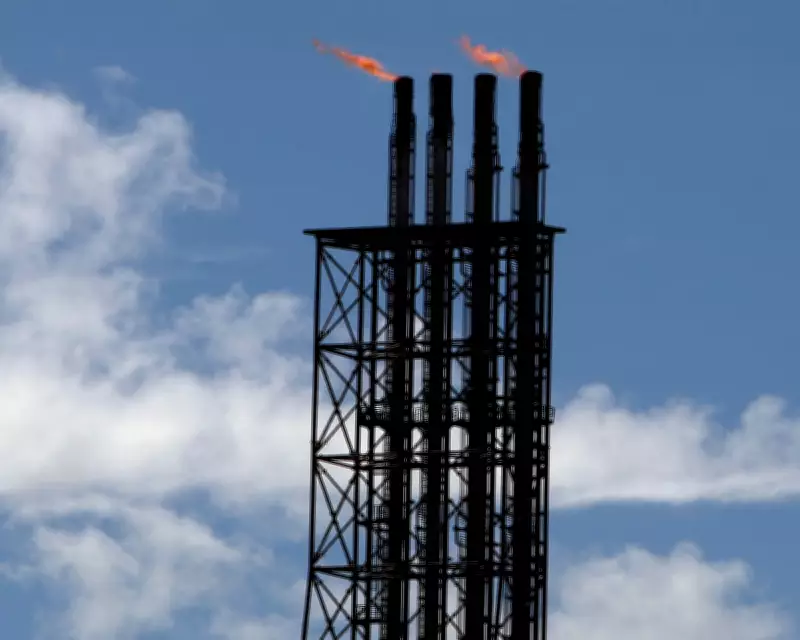
Gas is mostly methane, a potent greenhouse gas, and releases carbon dioxide when burned. A US study found that liquified natural gas can be dirtier than coal when emissions from extraction, piping, processing, and shipping are counted. While the world needs gas to meet existing energy demand, a serious government should aim to use no more than necessary and transition away where possible.
Instead, the Albanese government rejected a push for a national gas tax and backed expansions of Chevron's Gorgon project and the North West Shelf gas plant. A decision on the Browse development is expected before year-end. Experts say there is a strong legal case to block it on environmental grounds, given risks to protected species at Scott Reef. However, Australian governments have yet to show willingness to deny fossil fuel companies what they want.
WA's stance makes it harder for federal Labor to meet its climate targets. The question for Prime Minister Anthony Albanese is whether he intends to do anything about it.