US inflation surged to 3.8% in April, marking the highest level since 2023, as the ongoing war in the Middle East continues to drive up energy costs and everyday expenses for Americans. According to data from the Bureau of Labor Statistics, prices rose 3.8% over the past year, a significant increase from the 3.3% recorded in March and the 2.4% seen in February.
Energy Prices Drive Inflation
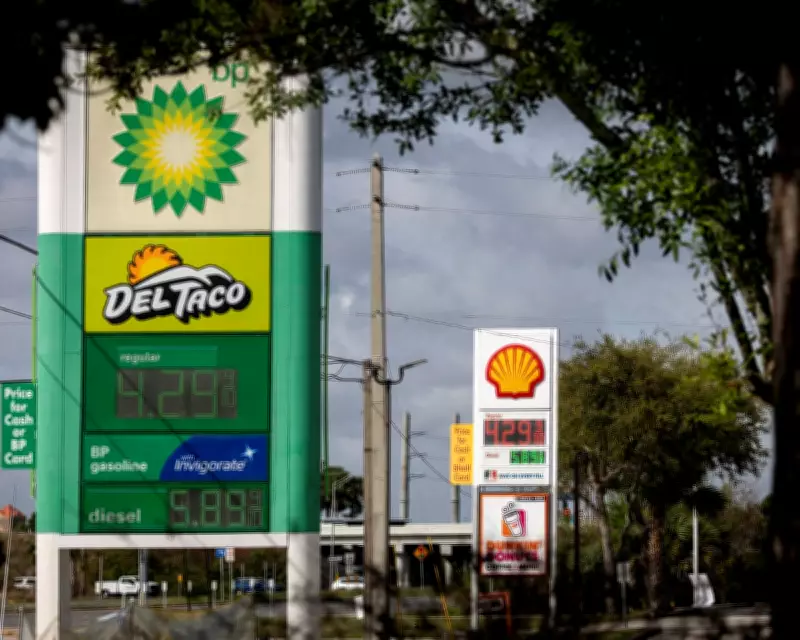
Energy prices climbed 3.8% in April, accounting for more than 40% of the overall monthly increase. Gasoline prices soared 28.4%, a hike that many Americans have already felt at the pump. The national average price for a gallon of gas has been steadily rising since the US-Israel conflict with Iran began, and now stands more than a dollar higher than a year ago, according to AAA data. Higher energy costs are directly linked to the ongoing closure of the Strait of Hormuz, through which about one-fifth of the world's oil and gas typically passes. Oil prices continued to climb after former President Donald Trump called Iran's response to US peace proposals 'totally unacceptable.' Iran has proposed a shorter moratorium period and refuses to dismantle its nuclear facilities.
Broader Price Increases
Other essential costs also rose sharply. Airfares increased by 20.7%, a rise that travelers are beginning to notice. Food prices went up 3.8%, while energy services—including electricity and utilities—rose 5.4%. Core CPI, which excludes volatile food and energy prices, increased more modestly at 2.8%.
A recent University of Michigan survey on US consumer sentiment reflects these worsening price conditions. Consumer sentiment in May dropped notably compared to the same period last year, and confidence in financial institutions like the Federal Reserve also declined. These readings are similar to those seen in 2022, when inflation reached peak highs.
Global Impact
The cost of the war is not limited to the United States. Australia, Canada, South Korea, and other countries have all reported rapidly rising inflation. British households are bracing for a new cost-of-living crisis, according to a PwC survey released Monday, and Asia's manufacturing sector has already shown signs of strain, driving up costs.
Federal Reserve Challenges
Despite rising prices, the Trump administration continues to push for lower interest rates, which would make borrowing cheaper. The Fed typically raises rates during high inflation to cool spending and ease prices. Incoming Federal Reserve Chair Kevin Warsh has indicated he agrees rates should be lower, but rising inflation may complicate his case. The Fed has a target inflation rate of 2%, but rates have remained stubbornly high.
Warsh must convince the Fed's 11 voting members to cut rates despite increasing prices. At its last meeting, only one board member voted to lower rates, citing slow job growth and uncertainty in the Middle East. Rates currently stand at 3.5% to 3.75%. The US Senate is expected to confirm Warsh as Fed chair in the coming days, as outgoing Chair Jerome Powell's term ends on Friday.