Britain's deep regional income divide has barely changed in 30 years despite the promises of successive governments to narrow the gap, according to a report from the Resolution Foundation that highlights the challenge for Prime Minister-in-waiting Andy Burnham.
Stark income gaps persist across UK regions
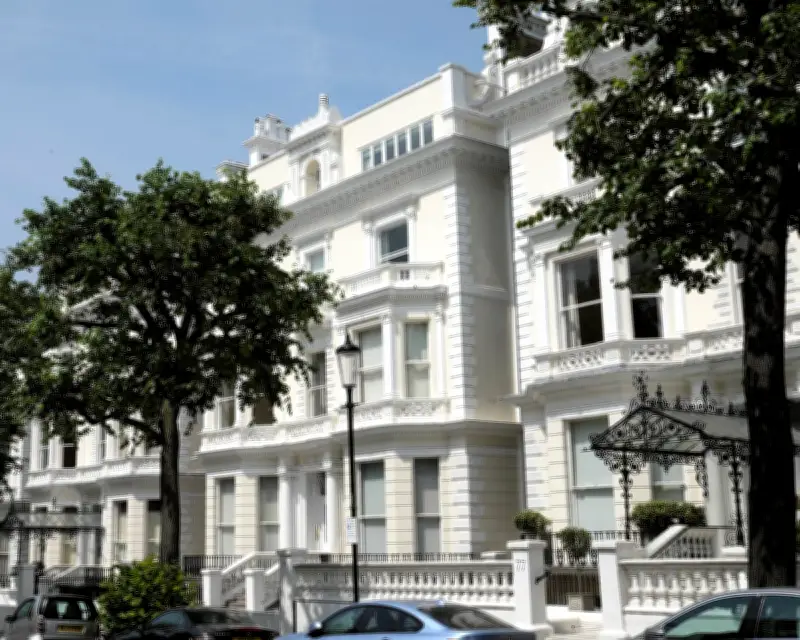
Between 1997 and 2023, the level of gross household disposable income per person in London – at £27,900 – remained three-fifths higher than in Northern Ireland (at £17,300). The report warns that high income inequality has also persisted at local levels. Disposable incomes in the richest area, Kensington and Chelsea, were £60,584 – four and a half times higher than in the poorest, Leicester, at £13,398. This gap has been consistent for almost three decades.
More than half (54%) of local authorities in the poorest fifth of places for income per person in 1997 were still there in 2023, while 82% of the richest places had stayed at the top. The report says these stark income gaps have endured despite promises from successive governments to rebalance Britain's lopsided economic geography, including Boris Johnson's 'levelling-up' agenda.
Some progress but challenges remain
Between 2019 and 2023, the income gap between someone living in the richest tenth of local authorities and someone living in the poorest tenth stayed the same. However, there have been some areas of progress since the late 1990s, including narrowing gaps in employment and stronger productivity growth in some cities, such as Manchester. Jobs growth has been most heavily concentrated in traditionally low-employment areas, and local pay gaps have narrowed thanks to a rising minimum wage.
Manchester's gross household disposable income per person grew by 40% in real terms between 1997 and 2023, but at £16,500 it remains significantly behind London and other big northern English cities like Sheffield, Newcastle, and Liverpool.
Burnham's plan and investment needed
Burnham has pledged to achieve 'good growth in every postcode' as part of a devolution agenda aimed at rebalancing power away from Westminster. He has described 'Manchesterism' as his guiding political philosophy, arguing he can replicate the city's economic revival nationwide through devolution, investment in transport and social housing, and greater public control over utilities.
However, the Resolution Foundation says Burnham would need to 'get serious' about the level of investment required in transport, housing, and regeneration projects to overcome three decades of failure. The foundation highlights that Germany allocated about £70bn every year for 25 years on post-cold war reintegration, while the UK's 'levelling-up' related spending in 2022 was just £4bn.
Ruth Curtice, chief executive of the Resolution Foundation, said: 'Manchester's economic revival shows decline is not destiny, but Britain's big regional cities continue to underperform. PM-in-waiting Andy Burnham has rightly put regional inequality at the top of his agenda. But turning ambition into reality will require investment in transport, housing and wider economic development on a scale that no recent political leader has come close to meeting. Unless that investment is taken seriously, the economic and political cost of Britain's geographic divides will continue.'