The UK economy continued its surprising momentum in March, with official figures showing higher-than-expected growth despite the onset of the Iran war. The Office for National Statistics (ONS) reported that GDP expanded by 0.3% in March, contributing to overall growth of 0.6% in the first quarter of 2026.
Services Sector Leads Growth
The services sector grew by 0.8% in the first quarter, while production inched up 0.2% and construction rose 0.4%. Liz McKeown, director of economic statistics at the ONS, noted: “Growth picked up in the first quarter of the year, led by broad-based increases across the services sector. Within that, wholesale, computer programming, and advertising performed particularly well.”
Impact of the Iran War
These figures cover the first month of the Iran war, with data for April and subsequent months expected to reveal the damage from disrupted global trade, particularly across the Strait of Hormuz. Forecasts for UK economic growth in 2026 have been slashed as energy markets remain in turmoil. Brent crude prices have spiked by around 50% since March due to fears of continued supply disruption.
Economists warn that the UK, as a net energy importer, could suffer heavier effects than other advanced economies. Higher import costs are likely to feed through to inflation, while weakening global demand could weigh on exports and dampen growth.
Government Response and Political Uncertainty
The Treasury is expected to unveil an energy support package for businesses and consumers soon. Survey data shows consumer confidence has fallen sharply since the war began, and business investment—which showed tentative signs of recovery earlier in the year—is widely expected to stall as bosses wait for clarity.
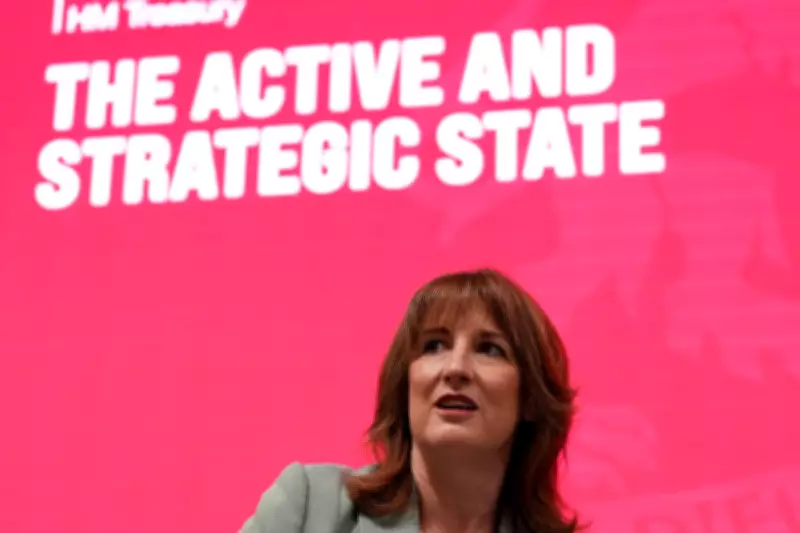
Chancellor Rachel Reeves faces additional political uncertainty, as she must consider whether she could retain her position under a new Labour leader if Sir Keir Starmer is ousted. Bond traders are pricing in a leftward tilt in the government, which could lead to looser fiscal rules and abandonment of Labour’s growth policies. Starmer has vowed to stay on as leader due to geopolitical tensions damaging the UK economy, and after the King’s Speech on Tuesday, he promised a “radical agenda” to appeal to anxious backbenchers.