UK Economy Records 0.1% Growth in Final Quarter of 2025
The United Kingdom's economy demonstrated modest expansion in the final three months of 2025, growing by 0.1% according to official data released by the Office for National Statistics. This slight uptick occurred despite significant uncertainty surrounding Chancellor Rachel Reeves's budget announcement, which had created speculation about potential tax increases that appeared to dampen both consumer spending and business investment.
Economic Performance Amid Budget Speculation
The quarterly growth figure represents a marginal improvement from the previous three-month period, which also recorded 0.1% growth. However, this fell short of economist expectations, which had projected a 0.2% increase for the quarter. Multiple consumer and business surveys indicated that economic activity had noticeably slowed in the weeks leading up to the late November budget announcement.
Households appeared to postpone discretionary spending while companies delayed crucial investment decisions amid widespread speculation that Chancellor Reeves would implement substantial tax rises. This climate of uncertainty created headwinds for economic momentum during what is typically a busy spending period.
Context of Annual Economic Performance
The UK economy demonstrated relatively stronger performance during the first half of 2025, with growth of 0.7% in the first quarter followed by 0.3% expansion in the second quarter. However, this positive trajectory was interrupted in the third quarter when a major cyber-attack targeted Jaguar Land Rover, Britain's largest car manufacturer.
This security breach significantly depressed vehicle production across the automotive sector, contributing to the minimal 0.1% growth recorded in the third quarter. The manufacturing disruption created ripple effects throughout supply chains and related industries.
Official Forecasts and Monetary Policy Context
The Office for Budget Responsibility had previously forecast GDP growth of 1.5% for 2025 and 1.4% for 2026. The government's official economic forecaster expects the economy to maintain an annual growth pace of approximately 1.5% through 2030, though this projection is tempered by concerns about persistently low productivity growth across multiple sectors.
In related monetary policy developments, Bank of England policymakers maintained interest rates at 3.75% during their most recent meeting. However, they indicated that lower inflation resulting from cost of living measures included in Chancellor Reeves's budget should create conditions conducive to interest rate cuts in the coming months.
Political Implications of Economic Data
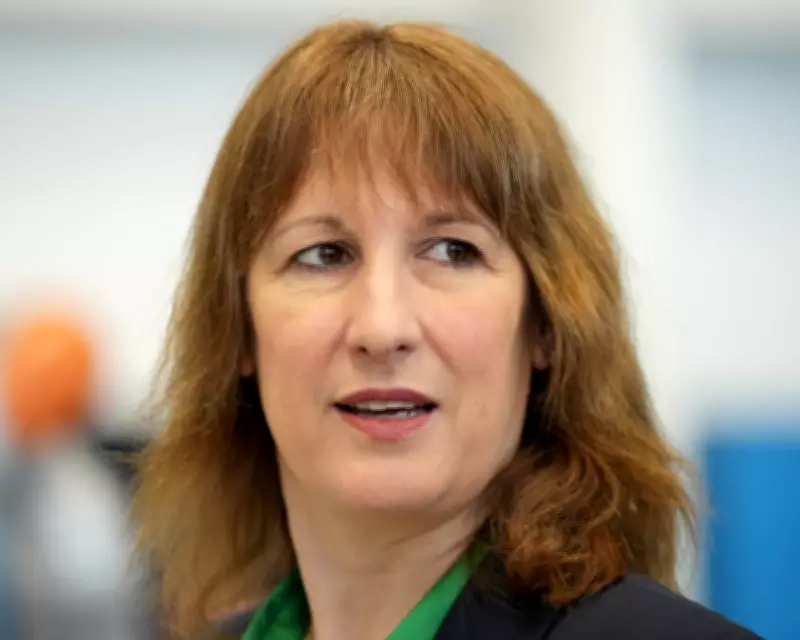
The latest growth figures provide a modest boost for Chancellor Rachel Reeves, who has placed driving GDP growth at the center of her economic agenda. The Labour government hopes that a sustained economic turnaround will improve the party's political fortunes and public perception of its economic management capabilities.
While the 0.1% growth represents continued economic expansion, it highlights the challenges of maintaining momentum amid external shocks and policy uncertainty. The data underscores how speculation about fiscal policy can have tangible effects on economic behavior even before official announcements are made.