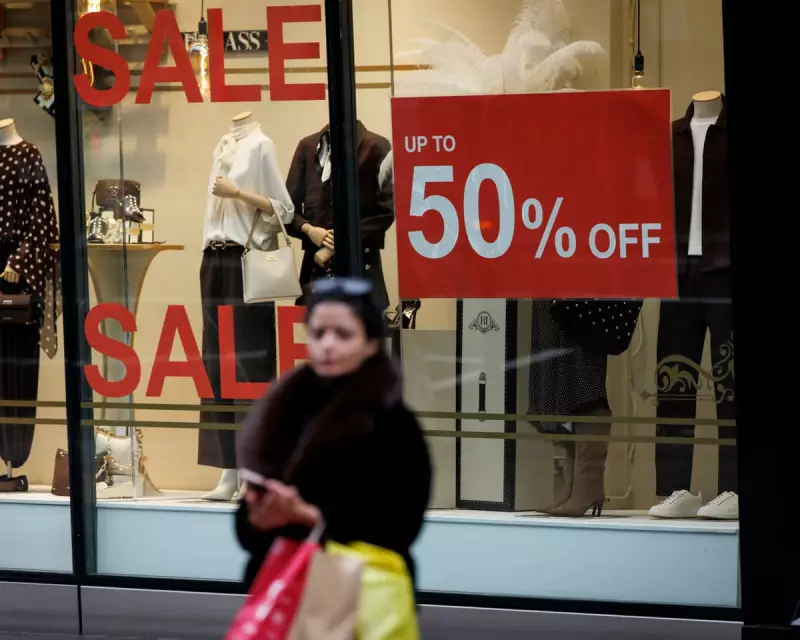
New research indicates that British consumers are planning to keep a tight rein on their spending as they enter 2026, despite feeling relatively secure about their personal financial situations. A major survey by the global accountancy firm KPMG has found that deep-seated concerns about the health of the national economy are discouraging people from splashing out on non-essential items.
Economic Pessimism Outweighs Personal Financial Security
The KPMG Consumer Pulse survey, which polled 3,000 people about their spending in the final quarter of 2025 and their intentions for the first three months of 2026, reveals a telling contradiction. While 56% of respondents felt secure in their personal finances at the end of 2025—a drop of just 1% from the start of the year—pessimism about the broader economy grew sharply. The proportion of people who believed the UK economy was worsening rose from 43% at the beginning of 2025 to 58% by the year's end.
This growing economic anxiety, combined with the ongoing pressure from high household costs, is creating a significant drag on UK consumer spending. The report highlights that people have little appetite for spending on discretionary items, with sectors like eating out and big-ticket purchases such as cars and furniture likely to feel the pinch.
Inflation Legacy and Political Headwinds
Consumers reported they are still grappling with the after-effects of several years of soaring inflation, particularly for essentials like food and energy. Although the rate of inflation, as measured by the Consumer Prices Index (CPI), slowed to 3.2% in November 2025 from 3.8% in September, the cumulative price increase during the peak period from January 2021 to May 2024 was a substantial 23%.
The political landscape has also contributed to uncertainty. Chancellor Rachel Reeves has faced criticism from opposition parties for delaying the budget until November, a move they claim has dampened consumer confidence. Speculation triggered by Treasury briefings about potential extra taxes for higher earners and retirees has added to the cautious mood.
Generational Divide in Economic Outlook
The survey uncovered a clear generational split in sentiment. Respondents aged 65 and over were the most pessimistic about the economy, with an above-average number intending to restrict their spending in the new year. In contrast, younger demographics were more hopeful. Among those aged 35 to 44, 24% believed the economy was improving, nearly double the survey average of 13%.
This data will be disappointing for the Chancellor, who is banking on a post-budget rebound in consumer confidence to fuel economic growth. While there was a slight improvement in sentiment from the third to the fourth quarter of 2025, KPMG warns that the "perception of a worsening economy is set to continue into 2026".
Glimmers of Hope and Government Response
There are some positive signals that could eventually bolster confidence. The recent interest rate cut by the Bank of England from 4% to 3.75%, alongside falling inflation and expectations of more stable public finances, is anticipated to provide a future lift to both business and consumer morale.
Responding to the findings, an HM Treasury spokesperson pointed to rising incomes helping to offset inflation. "Real wages are up more in the first year of this government than the first decade under the previous government," they stated, citing measures from the budget such as increasing the national living wage, cutting energy bills by £150, and extending freezes on prescription fees, fuel duty, and rail fares.