
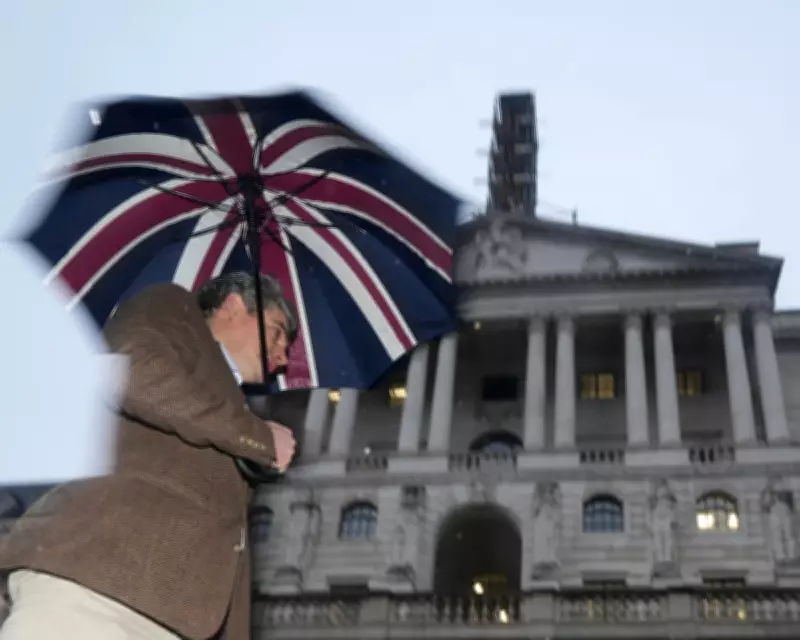
The Trades Union Congress (TUC) has issued a strong recommendation to the Bank of England, urging it to implement interest rate cuts as a strategic move to stimulate consumer spending and bolster the UK's economic performance. This call comes amid ongoing concerns about sluggish economic growth and the need for proactive measures to support households and businesses.
Economic Context and TUC's Position
In a detailed statement, the TUC highlighted that current economic conditions, including inflationary pressures and stagnant wage growth, have placed significant strain on consumer confidence. The organization argues that lowering interest rates would reduce borrowing costs, making it more affordable for individuals to take out loans for major purchases such as homes and cars, thereby injecting vitality into the economy.
Potential Impacts on Consumer Behavior
By cutting rates, the Bank of England could encourage a shift in consumer behavior towards increased spending, which is crucial for driving demand in key sectors like retail and services. The TUC emphasizes that this approach would not only provide immediate relief to struggling households but also create a ripple effect, supporting job creation and business investment across various industries.
Broader Economic Implications
The TUC's proposal is rooted in the belief that monetary policy should be leveraged to address broader economic challenges, including potential recessions or slowdowns. Reducing interest rates could help mitigate the risk of economic stagnation by making credit more accessible and stimulating economic activity. However, the TUC also acknowledges the need for a balanced approach, considering factors like inflation control and financial stability.
Comparison with Current Bank of England Policy
Currently, the Bank of England has maintained a cautious stance on interest rates, focusing on controlling inflation through tighter monetary policy. The TUC's call represents a divergence from this approach, advocating for a more aggressive stimulus to prioritize growth and consumer welfare. This debate underscores the ongoing tension between inflation management and economic expansion strategies in policymaking circles.
Support from Economic Analysts
Several economic analysts have echoed the TUC's sentiments, suggesting that a rate cut could be a timely intervention to prevent further economic decline. They point to historical precedents where lower interest rates have successfully spurred consumer spending and revitalized economies during downturns. Nonetheless, critics warn of potential long-term risks, such as increased debt levels or asset bubbles, if rates are cut too aggressively.
Future Outlook and Recommendations
Looking ahead, the TUC recommends that the Bank of England closely monitor economic indicators and be prepared to adjust rates swiftly in response to changing conditions. The organization stresses that proactive measures are essential to safeguard the UK's economic resilience and ensure sustainable growth. As discussions continue, the focus remains on finding a policy balance that supports both consumer spending and overall economic stability.




