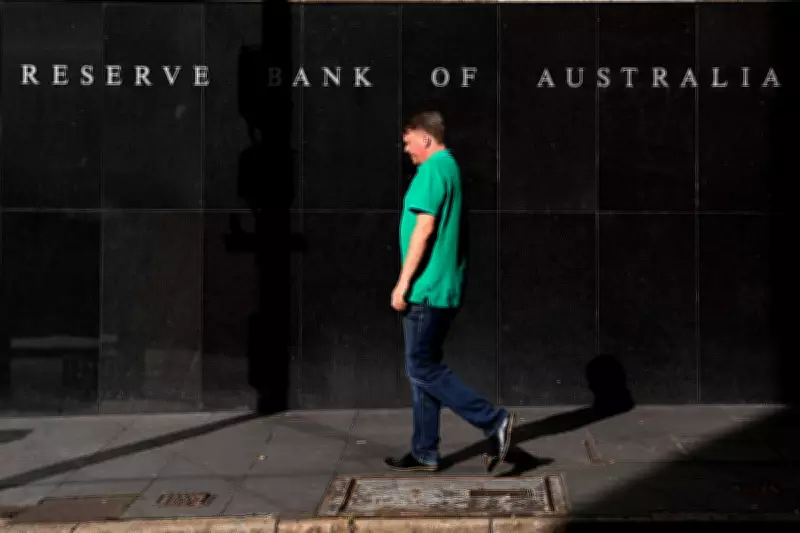
In a surprising turn of events, the Reserve Bank of Australia has increased the cash rate to 3.85%, a decision that appears to have been driven more by market speculation than by substantive economic data. This move has left many observers questioning whether the central bank is responding to genuine economic indicators or simply bowing to pressure from financial commentators and speculators.
The Dramatic Shift in Rate Expectations
The landscape for interest rate decisions underwent a remarkable transformation throughout January. At the beginning of the month, following the release of October inflation figures that showed an unexpected decline, there was virtually no expectation of a rate increase. Even when RBA Governor Michele Bullock suggested in December that "the balance of risk to inflation had tilted a bit to the upside," markets only priced in approximately a 20% chance of a rate rise.
The Unemployment Factor
The pivotal moment arrived on 22 January with the publication of December unemployment statistics, which revealed a significant drop to 4.1%. This single data point dramatically altered market expectations, despite the fact that subsequent inflation figures failed to exert anywhere near the same level of influence on rate predictions.
What makes this particularly noteworthy is that the unemployment figures represented the primary catalyst for changing market sentiment, rather than any new inflation data. This raises important questions about whether the RBA is placing disproportionate emphasis on labour market indicators while potentially overlooking other crucial economic factors.
Questionable Economic Rationale
The RBA's official statement accompanying the rate decision contained some curious language that has drawn scrutiny from economic analysts. The board noted that "more recently, the exchange rate, money market interest rates and government bond yields have risen following a rise in market expectations for the cash rate." This phrasing could be interpreted as the central bank essentially acknowledging that it felt compelled to act because speculators expected it to do so.
Furthermore, the RBA justified its decision by pointing to "growth in private demand" that had "strengthened substantially more than expected." However, a closer examination reveals that much of this investment surge was concentrated in AI datacentres, which are not particularly significant employers, while broader private demand remains relatively weak.
The Wage Growth Conundrum
One of the central arguments for raising interest rates in response to low unemployment is the theoretical connection between tight labour markets and wage inflation. The concern among some economists is that employers will need to increase wages to attract and retain workers, potentially fuelling broader inflationary pressures.
Yet the available data tells a different story. The most recent wage price figures, current to September, show no evidence of wages "galloping upwards" as some had feared. In fact, real wages have been falling, growing more slowly than inflation throughout the September quarter and remaining essentially flat over the past year.
This creates a paradoxical situation where interest rates are being increased to suppress wage growth during a period when wages are already struggling to keep pace with inflation. As Shadow Treasurer Ted O'Brien correctly noted in December, real wages are declining, making the timing of this rate increase particularly questionable.
The Unemployment Data in Context
While the December unemployment figures showed a notable 0.2 percentage point drop to 4.1%, this needs to be viewed within a broader historical context. Unemployment has remained below 4.5% for more than four consecutive years, suggesting that this level might represent a new normal rather than an exceptional circumstance requiring immediate intervention.
Furthermore, similar drops in unemployment have occurred only twice in the past 48 months. One instance occurred in 2022 as pandemic effects subsided, while another happened in February 2024 when unemployment fell from 4.1% to 3.7%, only to return to 4.1% by April. This volatility suggests that the December figures might represent a temporary fluctuation rather than a sustained trend.
Current indicators, including declining job vacancy numbers, suggest that unemployment may actually rise in the coming months, making the RBA's decision to raise rates based on a single month's data appear particularly premature.
A Decision Driven by Perception Rather Than Reality
The RBA's rate increase represents a troubling precedent where monetary policy appears to be responding more to market expectations and commentator pressure than to concrete economic fundamentals. Some commentators had even suggested that the RBA needed to raise rates to "restore" Governor Bullock's "lost credibility," highlighting how perceptions rather than data may be influencing policy decisions.
This raises serious questions about the independence and decision-making processes of Australia's central bank. When monetary policy becomes driven by speculation rather than substance, it risks undermining both economic stability and public confidence in financial institutions.
The ultimate irony is that the RBA has chosen to raise interest rates during a period when real wages are falling, private demand remains weak, and unemployment may be poised to increase. This decision seems to prioritise the desires of speculators and those who believe higher unemployment benefits the economy over the actual economic circumstances facing Australian households and businesses.