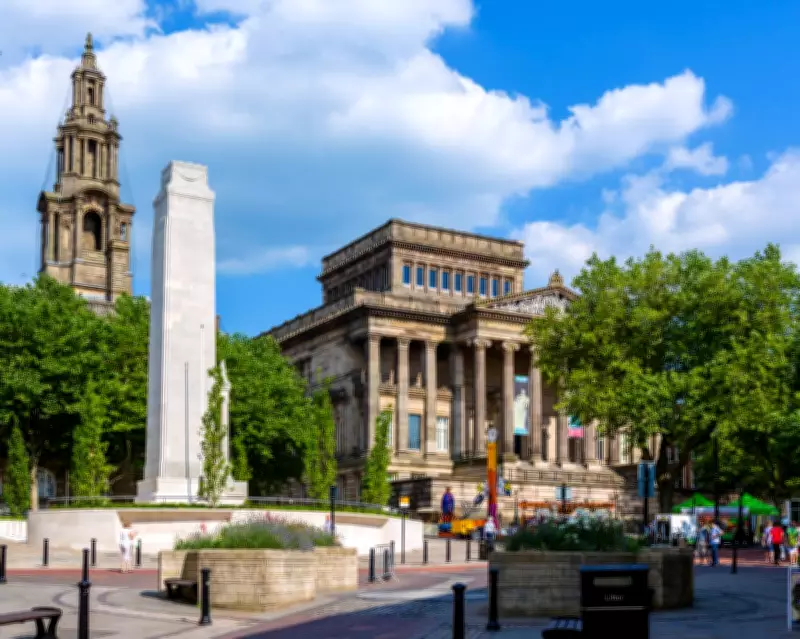
The Preston Model, a pioneering approach to community wealth building that has garnered international attention, is demonstrating remarkable resilience in the face of ongoing economic challenges. Despite predictions of its potential unraveling, local leaders and economists argue that the model's foundational principles remain robust and adaptable.
Understanding the Preston Model
Originating in Preston, Lancashire, the model focuses on redirecting public and private spending to benefit local communities. Key strategies include anchor institutions—such as hospitals, universities, and local councils—prioritizing local suppliers, cooperative ownership, and fair employment practices. This approach aims to retain wealth within the local economy, reduce inequality, and foster sustainable growth.
Current Economic Pressures
The model has faced headwinds from national austerity measures, rising inflation, and supply chain disruptions. Critics have questioned its long-term viability, suggesting that external factors could undermine its impact. However, recent assessments indicate that the model has not only survived but continues to evolve.

Evidence of Resilience
A study by the Centre for Local Economic Strategies found that the Preston Model has contributed to a 10% increase in local spending by anchor institutions over the past five years. Additionally, unemployment rates in Preston remain below the national average, and new cooperative businesses have emerged. Local leaders emphasize that the model's flexibility allows it to adapt to changing circumstances.
Expert Opinions
Professor Matthew Brown, a key architect of the model, stated: "The Preston Model is not a static blueprint; it's a dynamic process. We continuously refine our strategies based on what works. The core idea of keeping wealth local is more relevant than ever." Similarly, economist Dr. Sarah Longlands noted that the model's emphasis on democratic ownership and local resilience provides a buffer against global economic shocks.
Future Prospects
Looking ahead, the Preston Model is expanding into new sectors, including renewable energy and digital infrastructure. Plans are underway to establish a community-owned energy company and a local digital cooperative. These initiatives aim to further insulate the local economy from external volatility.
While challenges remain, the consensus among supporters is that the Preston Model is here to stay. Its ability to foster community engagement and economic inclusion makes it a resilient alternative to conventional development models. As other regions explore similar approaches, Preston continues to serve as a real-world laboratory for community wealth building.