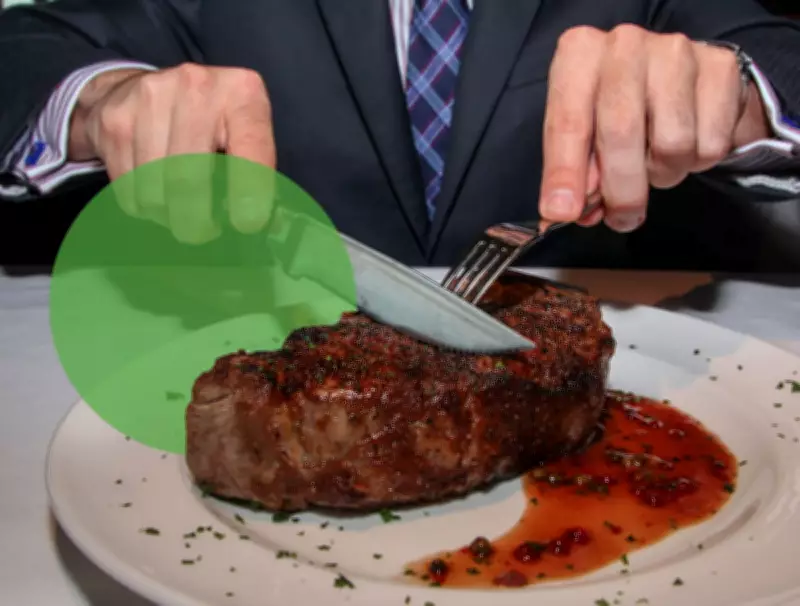
Two-thirds of Australian men eat meat, with over half consuming at least 198 grams daily—exceeding recommendations. This habit, tied to masculine identity, exacerbates the climate crisis and health risks.
The Meat-Masculinity Link
Research shows men consistently eat more meat than women, even adjusted for energy needs. A French study found dietary and driving habits cause a 26% emissions gap between genders. Men often resist reducing meat intake, viewing plant-based diets as a threat to manhood.
Lauren Camilleri, a social psychology researcher at Victoria University, explains: “There are consistent discrepancies in meat consumption between men and women, rooted in cultural myths that meat is masculine and plants feminine.”
Health and Environmental Impacts
Excessive red and processed meat consumption is linked to chronic diseases, including cardiovascular issues and cancers. The agriculture sector accounts for nearly a fifth of Australia’s carbon pollution, primarily from livestock methane.
Dr. Luigi Fontana from the Charles Perkins Centre notes: “Animal products are high in saturated fatty acids, raising LDL cholesterol. Despite evidence, meat consumption has increased.”
Flexible Solutions
The EAT-Lancet Commission’s Planetary Health Diet allows moderate meat intake: two servings of seafood and poultry weekly, and one serving of red meat. Experts advocate small steps rather than strict vegetarianism.
Dr. Diana Bogueva of Curtin University emphasizes: “We don’t need perfection. Small changes, like swapping red meat for white or fish, add up.”
High-performing athletes like Novak Djokovic and Lewis Hamilton follow plant-based diets, challenging stereotypes. Shifting mindsets and demystifying plant-based eating are key to sustainable change.