City AM’s journalism is supported by our readers. If you click links to other sites on this page, we will earn a commission. Tuesday 12 May 2026 12:59 pm
Life after Starmer: What could a new Labour prime minister mean for your money?
By: Maisie Grice Investment Reporter
It could soon be time for Keir Starmer to face the music after dozens of MPs called for the Prime Minister to step down, potentially unleashing months of speculation and uncertainty. Leading frontrunners for the top job include Manchester mayor Andy Burnham, former deputy PM Angela Rayner, and health secretary Wes Streeting, with markets expecting all three to likely increase government spending. But what would one of these leadership candidates entering No 10 mean for your personal finances?
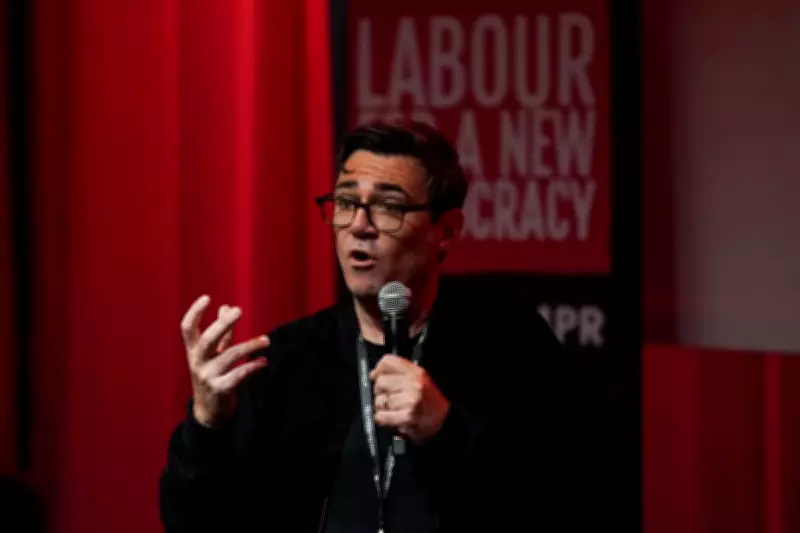
Andy Burnham
The Manchester mayor, who has twice unsuccessfully run for the Labour leadership, has long been a favourite to take Starmer’s job. A darling of the left, Burnham has supported taxes aimed at the wealthy. Last year he proposed reintroducing the 50 per cent income tax rate and backed the so-called mansion tax, which Rachel Reeves introduced in the Autumn Budget and is set to take effect from April 2028. The ‘King of the North’ has also supported reforming the council tax system to target wealthier homeowners, criticising the current system, which has not been overhauled since 1991, for charging those with expensive properties higher taxes. In an interview with The Telegraph, he said: “If you look at London, I think there are people in homes that are even in double-figure millions paying less council tax than people in Manchester. It’s just not justifiable … where something is like that, it needs fixing.” He also proposed cutting income tax for lower earners by bringing back the 10 per cent rate.
However, Burnham has rattled the bond market, with the likelihood of increased fiscal spending piling pressure on the UK’s already stretched public finances. On Tuesday, ten-year gilt yields jumped 11 basis points, while 30-year yields rose ten basis points amid calls for Starmer’s resignation. Burnham argued last year that the UK was too “in hock to the bond markets”, focusing too much on short-term points over long-term growth, but has since subdued his stance to soothe traders. He has also called for the banking surcharge tax, which applies to profits over £100 million, to be increased from three per cent to five per cent, creating fears of a potential tax raid within the sector.
Angela Rayner
The former deputy Prime Minister is another key frontrunner who has fronted some of Labour’s most dramatic domestic reforms since the party swept into power in 2024. Last year, the Ashton-under-Lyne MP, who left government over discrepancies in her tax affairs, sent an eight-point plan to Reeves. She outlined a raid on wealthy households, including reinstating the pensions lifetime allowance, which caps how much savers can put into their pension before higher tax is applied. Rayner also urged the chancellor to extend the threshold at which the 45 per cent tax rate is paid to include more people in the higher bracket, scrap the tax-free allowance on dividends, and remove inheritance tax relief for certain shareholders.
She has recently argued that wealth is “concentrated in too few hands” and, following Thursday’s local elections, laid out a detailed proposal for how her party should respond, including “immediate action to cut costs for households” and a windfall tax on energy firms. Similar to Burnham, she has sent bond markets scrambling, with bond investors and analysts warning this response could trigger a sell-off. Several fixed income experts told City AM that the platform proposed by the Labour leadership contender would constitute a “toxic mix” that a gilt market already under pressure from the Iran war would struggle to afford. Rayner also called for the banking surcharge tax to be hiked prior to last year’s Autumn Budget.
Wes Streeting
The health secretary has caused a stir and appears to be the cabinet minister most imminently poised to challenge Starmer. While he has been less vocal than Burnham or Rayner on taxation and government spending, he has previously expressed concern about the overall burden on individuals and businesses. Speaking to The Observer at the end of last year, he noted that he “was really uncomfortable with the level of taxation in this country”. He said: “We’re asking a lot of individual taxpayers, we’re asking a lot of businesses. We’ve got a level of indebtedness that we need to take very seriously.”
However, his sympathies did not extend to the country’s wealthiest. In 2023, before entering cabinet, he called on high-net-worth individuals to stop using “clever wheezes and accounting tricks” to reduce their tax bills. Meanwhile, the Labour Growth Group, to which Streeting has ties, recently proposed raising capital gains tax to fund a two pence cut in National Insurance. The health secretary has taken a firm stance against the British Medical Association (BMA) over its long-standing refusal to accept government proposals on resident doctor wages, which have precipitated multiple rounds of strikes. Streeting told the BBC last month that resident doctors “had a 28.9 per cent pay rise within the first weeks of this Labour government”. He added: “There’s a deal on the table that would have given them an average 4.9 per cent more for this year, 7.1 per cent for some of the lowest-paid doctors.” Despite receiving pay rises worth 33 per cent over the past four years, the BMA argues that doctors are still being paid a fifth less than they were in 2008 once inflation is taken into account.