Australia's 2026 federal budget, presented by Treasurer Jim Chalmers, introduces the most significant tax reforms since the Howard era, targeting housing inequity. The budget aims to improve resilience against global shocks, ease cost-of-living pressures, boost productivity, and balance savings with new spending.
Key Tax Reforms
The budget includes changes to negative gearing and the capital gains tax discount, which have long been contentious. These reforms are expected to save the government billions by reining in trust rules for high-income earners and applying tough medicine to the National Disability Insurance Scheme. Chalmers described the changes as 'saving the NDIS from itself.'
Housing Measures
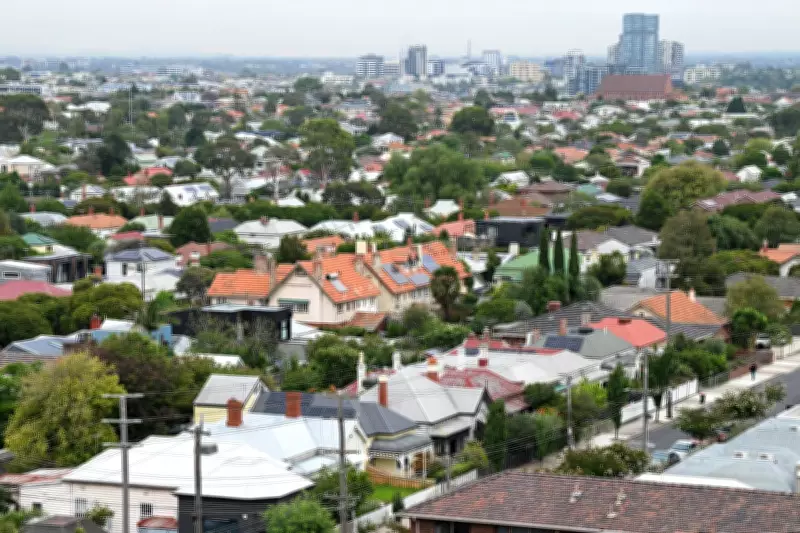
While the reforms are bold, they may not be enough to help younger Australians locked out of the housing market. The average saving from property price changes is estimated at around $19,000, which might not significantly ease the burden of saving for a deposit. The government also reiterated its promise to build 1.2 million new homes by the end of the decade.
Political Context
The budget breaks major election promises made by Prime Minister Anthony Albanese, particularly regarding property investor changes. Critics argue this undermines trust in the government. However, Chalmers defended the budget as choosing 'the hard road of reform' to address intergenerational inequity and economic challenges.
Economic Outlook
The budget faces risks from global disruptions, including the war in Iran and potential trade tensions under Donald Trump. These could lead to rising unemployment and inflation, potentially pushing Australia toward recession. Despite these challenges, Chalmers emphasized the need for long-term reforms to secure the country's future.
Overall, the 2026 budget is a landmark attempt to overhaul Australia's tax system and address housing inequity, but its impact on younger generations remains uncertain.