
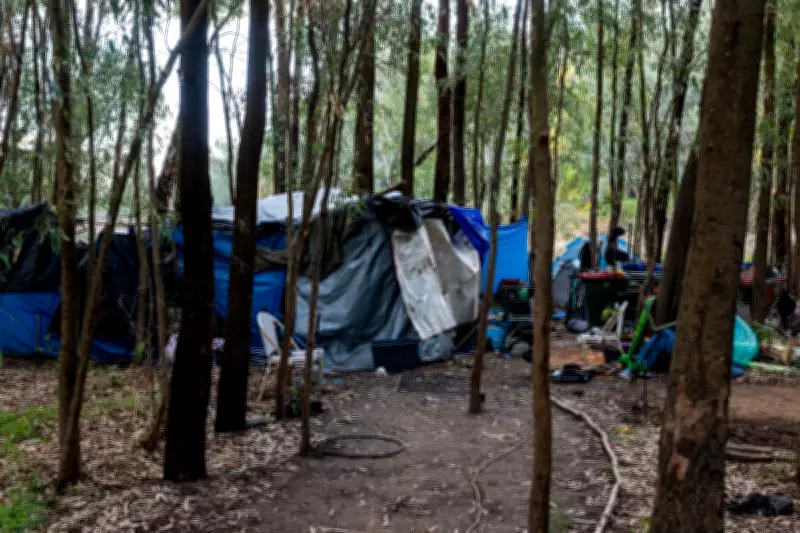
A 37-year-old mother was taken to hospital on Saturday after one of her newborn twin babies died at a homeless camp near Wagga beach on the banks of the Murrumbidgee River. This tragic event is part of a broader crisis: an analysis shows that on average, 14 rough sleepers die each year in public parks or countryside areas across Australia.
Hidden Death Toll Revealed
The analysis, commissioned by the Guardian and conducted by the National Coronial Information Service, examined coronial records from 2010 to 2020. It found that 54 rough sleepers died in public parks and 85 died in countryside areas, including bushland, desert, beaches, and riverbanks. These figures highlight the precarious situations faced by vulnerable individuals lacking social and emergency housing options.
Recent Tragedies Spark Renewed Focus
Recent weeks have seen an outpouring of grief following the deaths of Bikram Lama, a young Nepali international student found dead in Hyde Park; Mary Ann Miller, a young Aboriginal mother of seven who died of sepsis after being evicted from public housing; and the newborn baby at the Wagga camp. These deaths have triggered renewed attention on Australia's homelessness crisis and systemic failures in housing and health services.
Systemic Failures and Life Expectancy Gap
Since 2024, the Guardian has examined over 600 homelessness deaths, revealing that a lack of crisis and social housing, under-resourcing of homelessness services, and gaps in the health system contribute to vastly premature deaths. Rough sleepers face a three-decade life expectancy gap compared to the general population.
Data from the Australian Institute of Health and Welfare shows the social housing waitlist for those in greatest need has worsened each year since 2015, hitting record levels in June 2024. In the last two years, the number of people already homeless when first accessing services increased by 11%, and those sleeping rough at the start of support surged by 25%.
Experts Call for Urgent Action
Professor Lisa Wood from the University of Notre Dame described the deaths as a sobering indictment of societal abandonment and systemic failure. She urged governments to recognise housing as a human right with statutory obligations, similar to Scotland. Wood emphasised that pregnant women and those with young children must be prioritised for immediate accommodation.
Kate Colvin, CEO of Homelessness Australia, called for more investment in social housing and homelessness supports in the upcoming federal budget. She stated, "In just a few weeks, homelessness has killed a baby, a young mother and a student. How many more people need to die?"
Government Response and Ongoing Needs
The federal government committed $10 billion through the Housing Australia Future Fund in 2023, aiming to deliver 55,000 social and affordable homes by mid-2029. However, only about 6,000 homes have been delivered since May 2022. Colvin noted that while the Albanese government has invested, more is needed to address decades of neglect.
St Vincent's Hospital's Sydney homeless outreach team, which attempted to assist Bikram Lama, highlighted that his non-resident status denied him a pathway out of homelessness. Erin Longbottom, manager of the homeless health nursing unit, wrote, "Tomorrow I will encounter another Bikram: unwell, homeless, at risk. Why does the system tell me I have to qualify the life-saving care I can offer depending on their visa status?"
These deaths underscore the urgent need for comprehensive solutions to Australia's homelessness crisis, combining immediate housing with long-term systemic reforms.




