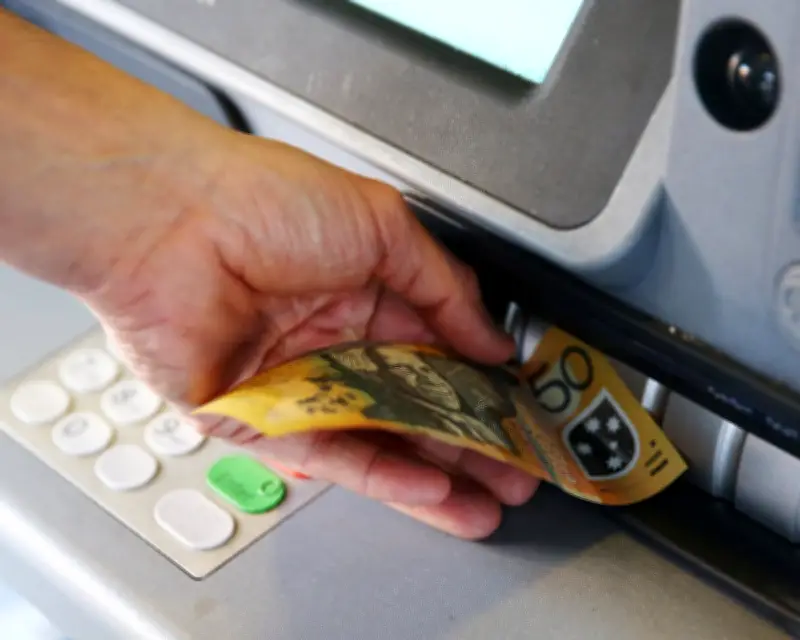
From 1 July 2026, about 2.8 million Australians on award and minimum wages will receive a 4.75% pay increase. The lowest-paid workers, around 100,000 people on minimum pay and entry-level rates, will get a 5.97% bump. The national minimum wage will rise to $26.44 per hour, or $1,004.90 per week before tax, applying from the first full pay cycle in July.
Payday super and expanded parental leave
Superannuation must now be paid at the same time as wages, instead of quarterly. This payday super reform aims to crack down on over $3 billion of unpaid super each year. Contributions must reach funds within seven business days of payday, making it easier for workers to track retirement savings.
Government-funded paid parental leave (PPL) increases from 24 to 26 weeks, providing a full six months of leave at the national minimum wage. Days reserved for partners also rise from 15 to 20.
Tax cuts and anti-price-gouging measures
The lowest marginal tax rate drops from 16% to 15% for income between $18,201 and $45,000. The government says a person earning $45,000 or more will save $268 annually. Pending legislation, a proposed $1,000 instant work-expense deduction will benefit 6.2 million workers.
New laws targeting price gouging will be enforced by the ACCC, prohibiting any supermarket with revenue exceeding $30 billion from charging an excessive price for a grocery product compared to the cost of supply plus a reasonable margin. Only Coles and Woolworths currently fall under these rules. Breaches will result in financial penalties.
SMS sender ID and anti-money laundering
Businesses sending branded text messages must register their sender ID. From July, unregistered senders will be labelled "unverified" and grouped in one thread, designed to protect against scam texts.
Anti-money laundering and counter-terrorism laws expand to include real estate, law, accounting, conveyancing, and jewellery sectors. These businesses must register with Austrac, verify customer IDs, and report certain transactions.
NDIS, Centrelink, and Medicare levy changes
Under expanding NDIS rules, providers in support roles including supported independent living and digital platform providers must register with the NDIS quality and safeguards commission.
Centrelink payments will see a small increase due to regular indexation, though advocates say cost-of-living rises outpace the extra money.
Medicare levy surcharge (MLS) thresholds increase by $4,000 to $105,000 for singles and by $8,000 to $210,000 for families. The surcharge applies to those without private hospital cover earning above these thresholds.
Business and consumer updates
Small businesses with annual turnover under $10 million can permanently claim an instant write-off for assets under $20,000. Businesses serving seafood for immediate consumption must label it as Australian ('A'), Imported ('I'), or Mixed origin ('M').
In Queensland, the Reportable Conduct Scheme (RCS) starts, requiring organisations caring for children to report allegations of inappropriate behaviour to the Queensland Family and Child Commission.
Under federal road rules, updated energy consumption labelling is mandatory for new light vehicle models supplied from 1 July 2026.
State-specific changes
Victoria introduces a portable rental bond scheme, allowing renters to move their existing bond to a new property without being out of pocket. The Essential Services Commission also reduces default electricity prices from 1 July 2026 to 30 June 2027, saving households on the Victorian default offer $84 a year and small businesses $241 a year.
Western Australia expands the Containers for Change program to include wine and spirit bottles, cask wine, flavoured milk, cordial, and concentrated fruit and vegetable juices, offering 10 cent refunds. Fuel support payments of $100 are available for all WA driver's licence holders via the ServiceWA app.
New South Wales mandates large premises including supermarkets, hospitals, and hospitality venues to implement food organics and garden organics waste services, with smaller businesses and households to follow by 2030. Learner and provisional motorcycle riders must wear protective gloves, and learners must wear an approved hi-vis vest or jacket, with fines and demerit points for non-compliance.
In the Australian Capital Territory, stamp duty is abolished for first home buyers, making it the first jurisdiction to completely remove the tax for this group. Homebuyers who have not owned property for five years, pensioners, and eligible NDIS participants also benefit from expanded exemptions.
Queensland introduces new e-rider laws capping speed limits at 12km/h on footpaths and when passing pedestrians. E-scooters, e-skateboards, and e-unicycles can be ridden on roads with speed limits up to 60km/h, including on-road bike lanes, with a maximum speed of 25km/h. From 1 July, parents can be fined for under 16s riding illegally. After 31 August, e-riders must be at least 16 and hold a licence, with 12 to 17-year-olds requiring parental supervision.
A solar sharer scheme in NSW, south-east Queensland, and South Australia allows households with smart meters to access at least three hours of free electricity in the middle of the day, regardless of whether they have rooftop solar.