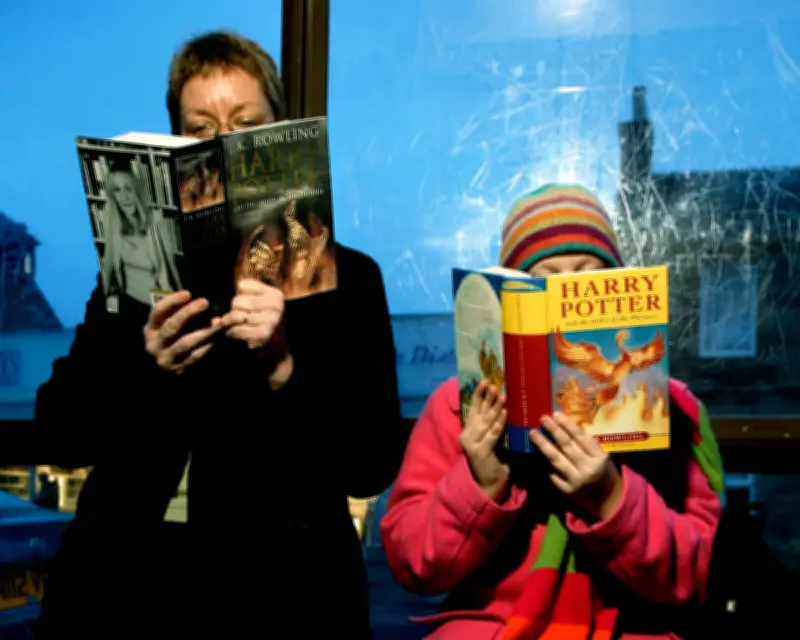
Bloomsbury, the publisher of J.K. Rowling's Harry Potter series, is set to receive millions of pounds as a beneficiary of a landmark $1.5bn (£1.12bn) copyright settlement between AI startup Anthropic and thousands of authors. The settlement resolves claims that Anthropic used copyrighted works without permission to train its Claude chatbot suite.
Scope of the Settlement
Bloomsbury has 14,087 titles listed in the settlement, with proposed compensation of approximately $3,000 per title. The London-based company expects to receive the cash in instalments, potentially starting in the second half of this fiscal year, with proceeds to be split between the publisher and the affected authors. After deduction of about 10% for attorney fees and expenses, Bloomsbury and the author group anticipate receiving around $19m (£14m).
Legal and Industry Context
The lawsuit was filed in 2024 by novelist Andrea Bartz and two other authors. On Monday, U.S. District Judge Araceli Martínez-Olguín approved the settlement, stating it provides “meaningful relief” to affected authors and publishers. About 91% of the 482,000 works covered in the suit have been claimed. Authors' lead lawyer Justin Nelson called it “the largest known copyright recovery in history.”

Copyright has become a major battleground in the AI boom. AI companies like Anthropic argue that using copyrighted works for training falls under the legal doctrine of fair use, which permits use without permission in certain circumstances. However, creative professionals worldwide demand that AI companies seek permission or pay for using their work.
Anthropic's Response and Future Implications
Anthropic’s deputy general counsel, Aparna Sridhar, said in a written statement: “We are pleased that more than 91% of authors and publishers covered by the settlement have claimed their share of the payment, and we’re looking forward to bringing this matter to a close.” This is the first major settlement among dozens of AI copyright lawsuits filed in the U.S. on behalf of authors and news outlets.
Bloomsbury, which also publishes bestselling authors Sarah J. Maas and Susanna Clarke, announced an AI licensing deal last year allowing it to sell academic works for training generative AI programs. The firm recently said more subject areas are being considered for AI training, with authors given the option to “opt in” and receive royalties if they allow their work to be used.