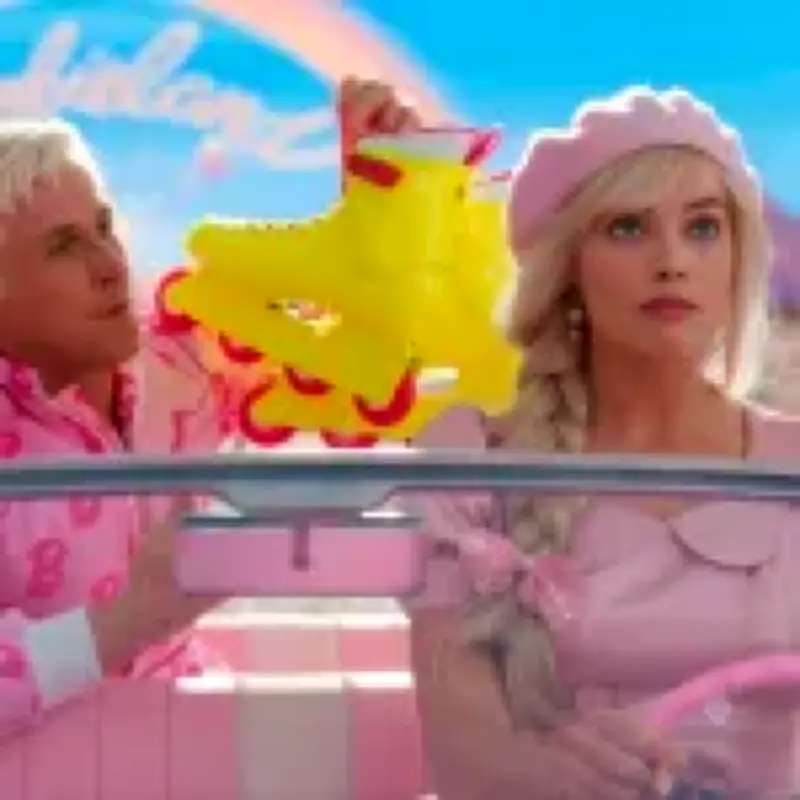
Negotiations for a sequel to the 2023 blockbuster Barbie have hit a wall over compensation demands, with Warner Bros. reportedly facing a December deadline to close a deal before the rights revert to toy manufacturer Mattel, according to multiple industry reports.
The original film, directed by Greta Gerwig, became the highest-grossing film by a solo female director and the fastest Warner Bros. film to reach $1 billion at the box office, eventually grossing $1.4 billion globally. Despite this success, securing a follow-up has proven difficult, with reports indicating that Warner Bros. has rejected more than six offers from the creative team and stars over the past three years.
Pay Demands and Rejected Offers
The most recent offer, described by a studio source to Variety as “life-changing” money, was reportedly the highest Warner Bros. has ever offered a filmmaking team and its stars, yet it was still turned down. Ryan Gosling is reportedly seeking around $20 million to reprise his role as Ken, while the creative team is also pushing for increased upfront compensation and backend participation.

Margot Robbie, who starred as Barbie and served as a producer, was reportedly paid $50 million for the first film. If she negotiates upward, she could surpass Sandra Bullock’s reported $70 million payday for Gravity in 2013, which remains the highest salary Warner Bros. has ever paid a female lead.
Cultural Phenomenon and Sequel Pressure
The original film’s cultural impact was unprecedented, from the Barbenheimer phenomenon that turned cinema-going into a communal event to the press tour that generated its own content, including Robbie’s era-referencing outfits and Gosling’s meme-ready Ken. The film was also praised for smuggling a critique of patriarchy inside a maximalist, hyper-pink studio blockbuster.
However, replicating that success is a daunting challenge. History suggests that sequels to cultural phenomena do not always succeed, as seen with Sex and the City 2. The commercial viability of a sequel is a key sticking point in negotiations, making the financial terms a contentious issue.
December Deadline and Rights Reversion
Contract requirements mean Warner Bros. is reportedly racing to close a deal by December. If no agreement is reached, the rights revert entirely to Mattel, and the studio would lose the franchise and its potential earnings. This deadline adds urgency to the negotiations, putting pressure on the studio to meet the demands of the cast and creative team.
The situation is ironic, given that the first film was widely interpreted as a critique of capitalist systems and commodification. Now, a corporation is scrambling to keep a lucrative brand alive, with the entire process feeling rushed and money-driven. As the deadline approaches, the outcome remains uncertain, but the stakes are clear: either Warner Bros. meets the demands or risks losing the franchise altogether.