
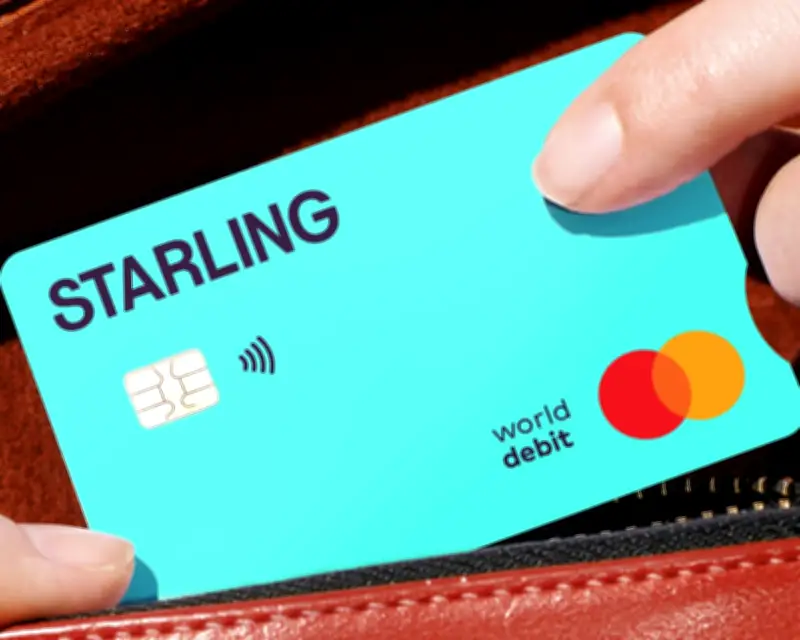
Starling Bank has announced it will cut 130 jobs, representing 3% of its workforce, as part of a restructuring aimed at reducing duplicate roles and increasing investment in artificial intelligence to lower costs.
Restructuring details
The London-based digital-only bank, which employs over 4,000 people, said the restructuring of its banking and technology operations is necessary to simplify operations and drive product delivery. The bank stated that a key factor in its competitive edge over legacy banks is its agility and ability to restructure and reorganise at pace.
"While we are continuing to hire tech and AI engineers, we recently told colleagues that we are changing parts of our banking team structure to simplify how we operate, reduce instances of duplication, and drive further product delivery at pace," the bank said. "We have begun a period of consultation with colleagues whose roles may be affected by these changes."
Financial performance and challenges
The job cuts come at a critical time for Starling, which reported a 6% drop in revenue for the year ending March, to £887m. Pre-tax profit fell 3% to £217m, partly due to investments in its digital banking software, Engine.
Starling was founded in 2014 by former Royal Bank of Scotland executive Anne Boden, alongside other neo-banks Revolut and Monzo. It has 6.2 million customers, mostly in the UK, but has struggled to expand abroad, abandoning a bid for a European banking licence in 2022.
Growth was also hit in 2021 when the Financial Conduct Authority (FCA) imposed restrictions due to poor financial crime controls, preventing Starling from opening new accounts for high-risk customers. In 2024, the FCA fined the bank £29m, citing "shockingly lax" controls that left the financial system open to criminals and sanctioned individuals.
Future prospects
Despite challenges, there has been speculation about a potential stock market listing. In January, CEO Raman Bhatia told the Sunday Times that while there are no firm plans, he could see the business as a plc in a near-term window.




