
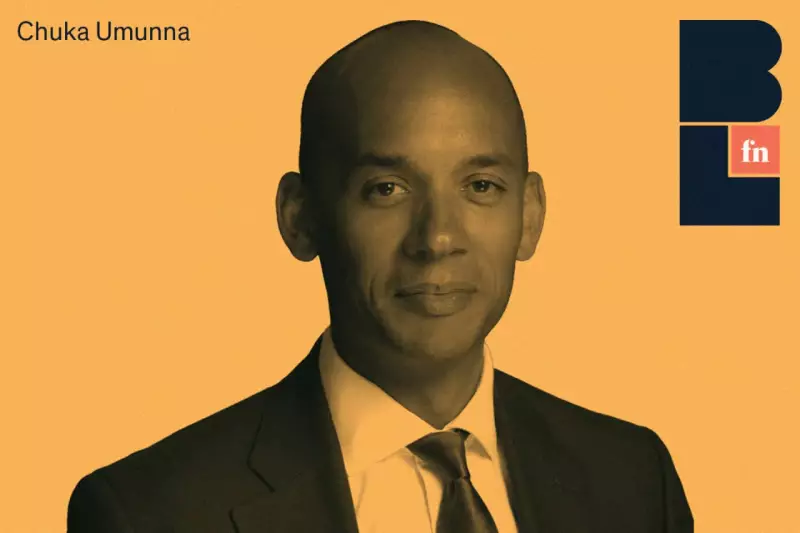
Senior figures in the City of London's financial sector must take the lead in breaking down barriers for Black professionals, according to a prominent voice in the industry. Chuka Umunna, the former MP who now heads ESG at JPMorgan Chase, has issued a clear call to action, stating that the initiative for meaningful change must originate from the very top of organisations.
The Stark Reality of Representation
Umunna's comments come against a backdrop of sobering statistics. He highlighted data showing that Black professionals hold just 1% of senior roles in UK financial services, a figure that has remained stubbornly static for years. This is despite Black people making up approximately 3% of the UK population. Furthermore, a recent survey by the City of London Corporation revealed that only 9% of senior leaders in financial and professional services are from ethnic minority backgrounds.
Umunna, who leads JPMorgan's environmental, social, and governance efforts for Europe, the Middle East, and Africa, argues that this lack of progress is not due to a shortage of talent. Instead, he points to systemic barriers and a failure of leadership. "The initiative to break down the barriers has to come from the top," Umunna stated emphatically. He believes that without active, visible commitment from CEOs and senior executives, diversity and inclusion programmes risk becoming mere box-ticking exercises.
Moving Beyond Token Gestures
The former Streatham MP criticised the industry's tendency to focus on short-term, superficial solutions. He warned against the practice of "parachuting in" a small number of diverse candidates into senior positions without addressing the underlying culture that prevents broader advancement. This approach, he suggests, does little to create sustainable change and can place undue pressure on the individuals promoted.
Umunna advocates for a more profound, structural shift. This includes implementing robust sponsorship and mentorship programmes designed to nurture Black talent from the early stages of their careers. He also stresses the importance of transparent reporting on diversity metrics, holding firms accountable for their progress—or lack thereof. The goal, he says, is to create an environment where Black professionals can thrive at all levels, not just reach a token senior role.
A Collective Responsibility for Change
The call for action extends beyond individual firms. Umunna points to the role of industry bodies, regulators, and shareholders in driving accountability. He suggests that investment and business decisions should increasingly consider a firm's diversity record, linking social performance to financial and commercial outcomes. This creates a powerful business case for change that resonates in the boardroom.
The financial centre's official governing body, the City of London Corporation, has itself set a target to increase the proportion of senior leaders from ethnic minority backgrounds to 13-15% by 2026. While Umunna welcomes such targets, he insists they must be backed by concrete action plans and unwavering commitment from the highest echelons of power. The future competitiveness and integrity of the City, he concludes, depend on its ability to harness talent from every part of society.




