Brewdog's Scottish Brewing Estate Faces HSBC Seizure Without Buyer
Brewdog's sprawling Scottish brewing estate in Aberdeenshire could be seized by banking giant HSBC if the craft beer company fails to secure a buyer to stabilize its precarious financial position. The dramatic development comes as co-founder James Watt prepares to commit £10 million of his personal funds toward a rescue bid for the company, which was officially put up for sale earlier this month.
Security Agreement Puts Brewery at Risk
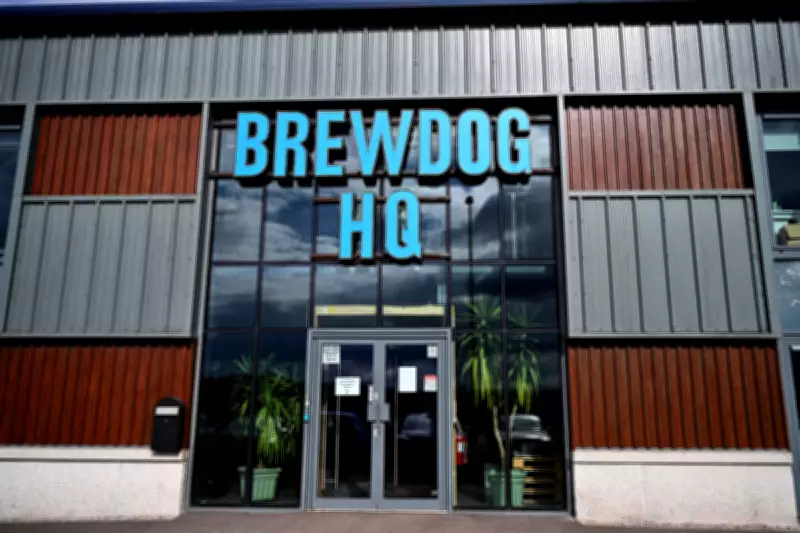
Recent filings with Companies House reveal that Brewdog has agreed for its debts to be secured against its primary brewery facility located in Ellon, Aberdeenshire. This legal arrangement means HSBC could potentially seize the massive brewing estate if Brewdog defaults on its financial obligations. The Balmacassie Commercial Park estate, which houses Brewdog's brewery headquarters, has been specifically listed as security against the company's outstanding debts.
The potential loss of what Brewdog describes as "one of the most technologically advanced breweries in the world" represents a significant threat to the company's future operations. This development comes at a critical juncture as suitors were recently asked to submit second-round bids for the brewer, following initial offers made just last week.
Watt's Rescue Bid and Potential Buyers
James Watt, who co-founded Brewdog in 2007 and stepped down as chief executive in 2024, is reportedly assembling financial backing from external investors to form a comprehensive rescue bid. According to Sky News, the Aberdeen entrepreneur is keen to acquire the entire company, though the specific structure of any potential deal remains unclear at this stage.
Several multinational brewing corporations are expected to participate in the bidding process, potentially seeking to acquire Brewdog's valuable assets and popular brands including Punk IPA and Elvis Juice. Additionally, private equity firms and major European beer brands are said to be circling the company, evaluating potential acquisition opportunities.
The 'Punk Equity' Model's Legacy
Brewdog's unique "equity for punks" fundraising model, which allowed the company to raise approximately £75 million across seven investment rounds, now faces scrutiny as the company navigates financial challenges. This innovative approach offered everyday consumers cheap shares in exchange for discounted pints and participation in what appeared to be a startup success story.
However, concerns have emerged among these crowdfunded investors that private equity firm TSG could claim the majority of proceeds from any eventual sale due to a compound return agreement, potentially leaving the original "punk" investors with minimal returns. Adrian Stalham, chief change officer at Sullivan & Stanley, emphasized that while crowdfunded investors helped fuel Brewdog's growth by buying into the brand's anti-establishment ethos, they rank behind private equity investors in payment priority during a sale.
Strategic Review and Asset Separation
Advisory firm AlixPartners, appointed by Brewdog to oversee the sale process, is reportedly considering selling the company's three primary assets separately: its brand portfolio, its chain of bars, and its brewing estate. This approach contrasts with Brewdog's stated preference for being acquired as a complete entity.
In an official statement, Brewdog explained: "As with many businesses operating in a challenging economic climate and facing sustained macro headwinds, we regularly review our options with a focus on the long-term strength and sustainability of the company. Following a year of decisive action in 2025, which saw a focus on costs and operating efficiencies, we have appointed AlixPartners to support a structured and competitive process to evaluate the next phase of investment for the business."
The company characterized this decision as a "deliberate and disciplined step" aimed at strengthening both brand and operations, expressing confidence that this approach "will attract substantial interest" from potential investors and buyers.
Both Brewdog and HSBC were contacted for additional comments regarding the developing situation, but no further statements were provided at this time.