
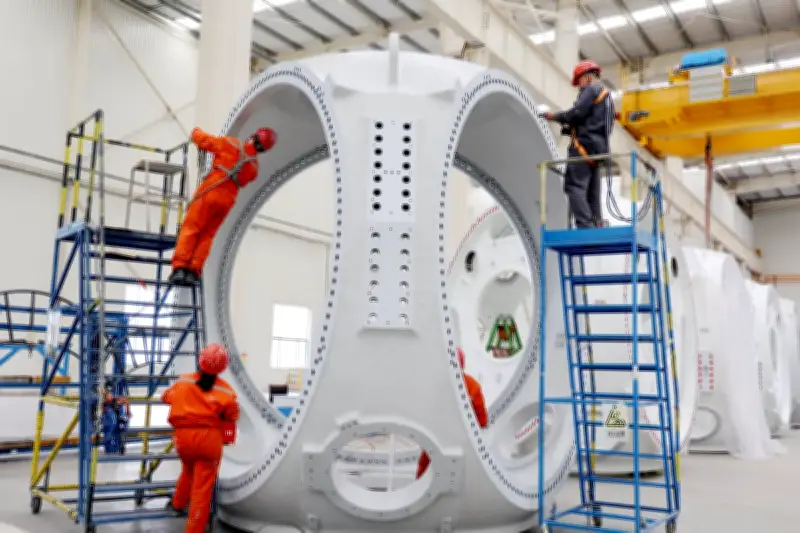
Binzhou, a city in Shandong province, has undergone a significant transformation from traditional manufacturing to intelligent manufacturing, according to a recent report. This shift has not only revitalized its economy but also positioned it as a leader in innovation.
From Traditional to Intelligent Manufacturing
Historically known for its textile and aluminum industries, Binzhou has embraced advanced technologies like automation, artificial intelligence, and the Internet of Things (IoT) to upgrade its manufacturing capabilities. The city's gross domestic product (GDP) grew by 6.5% in the first half of 2023, driven largely by the intelligent manufacturing sector, which now accounts for 35% of its industrial output.
The transformation has been supported by government policies and investments. According to local officials, Binzhou has invested over 20 billion yuan (approximately $2.8 billion) in research and development for intelligent manufacturing projects over the past five years.
Key Industries and Innovations
Key industries in Binzhou's intelligent manufacturing push include advanced materials, new energy vehicles, and smart textiles. For example, a local aluminum company has developed a fully automated production line that reduces energy consumption by 20% and increases efficiency by 30%.
"Binzhou's success lies in its ability to integrate cutting-edge technology with traditional industries," said a spokesperson for the Binzhou Municipal Government. "We are committed to fostering an ecosystem that encourages innovation and collaboration."
Impact on Economy and Employment
The shift has created over 50,000 high-skilled jobs in the past three years, attracting talent from across the country. Additionally, the city has seen a 15% increase in patent applications related to intelligent manufacturing. The average salary in the sector has risen by 12% annually, outpacing the national average.
Binzhou's transformation serves as a model for other industrial cities in China seeking to modernize their economies. The city plans to further expand its intelligent manufacturing sector, targeting a 50% share of industrial output by 2025.




