
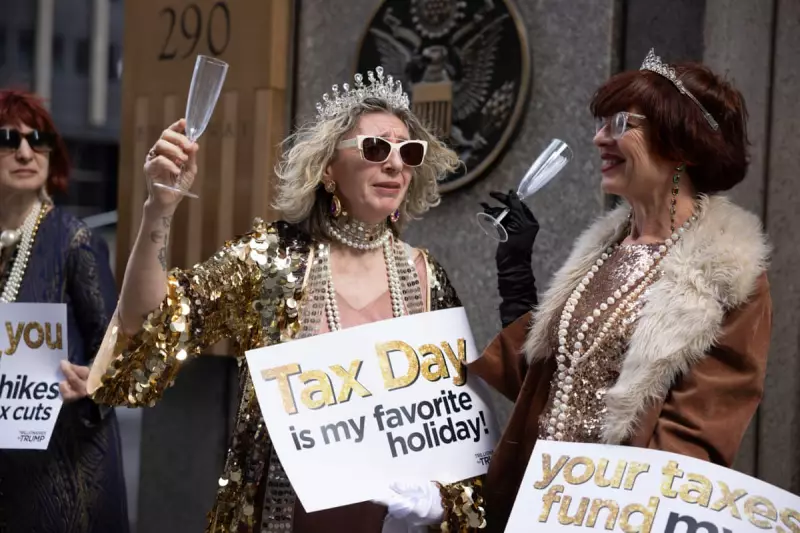
The collective wealth of the world's billionaires experienced an unprecedented surge in 2025, adding a staggering $1.7 trillion to their fortunes over the course of the year. This record-breaking increase, detailed in a major annual wealth report, has pushed the total net worth of this elite group to a new high and intensified concerns over spiralling global inequality.
The Drivers of Astronomical Growth
This historic accumulation of wealth was primarily fuelled by soaring valuations in the technology and artificial intelligence sectors. Billionaires with significant holdings in these industries reaped extraordinary rewards as market confidence and investment reached fever pitch. The report highlights that the gains were overwhelmingly concentrated among the very top of the wealth pyramid.
Leading the pack was Tesla and SpaceX CEO Elon Musk, who solidified his position as the world's richest person. His wealth grew substantially, driven by performance across his portfolio of companies. Close behind, Bernard Arnault, the chairman of French luxury conglomerate LVMH, also saw a significant boost to his fortune, reflecting continued robust demand for high-end goods among affluent consumers.
A Deepening Chasm of Inequality
This explosive growth for the ultra-wealthy stands in stark contrast to the economic reality faced by billions of people globally. While billionaire fortunes swelled by trillions, the report concurrently notes that poverty rates remained stubbornly high and median wages in many advanced economies struggled to keep pace with inflation. This divergence paints a picture of a global economy where financial rewards are becoming increasingly polarised.
Economic analysts and inequality campaigners have reacted with alarm to the figures. They argue that such concentrated wealth accumulation poses profound questions about economic fairness, social cohesion, and the functioning of democracy. The record-breaking year for billionaires, they contend, is not merely a market statistic but a symptom of deeper structural issues in the global economic system.
Political Repercussions and Future Scrutiny
The publication of these figures is expected to reignite fierce political debates surrounding wealth, taxation, and the responsibilities of the super-rich. Calls for policy interventions, such as more progressive taxation on capital gains or the introduction of wealth taxes, are likely to grow louder in response to the data.
As the world moves into 2026, the trajectory of billionaire wealth will be closely watched. The report suggests that while market cycles may fluctuate, the underlying trends of asset concentration and the disproportionate gains flowing to the top tier of wealth holders show little sign of abating without significant policy shifts. The $1.7 trillion surge of 2025 may therefore be remembered not as an anomaly, but as a milestone on a troubling path of escalating economic disparity.




