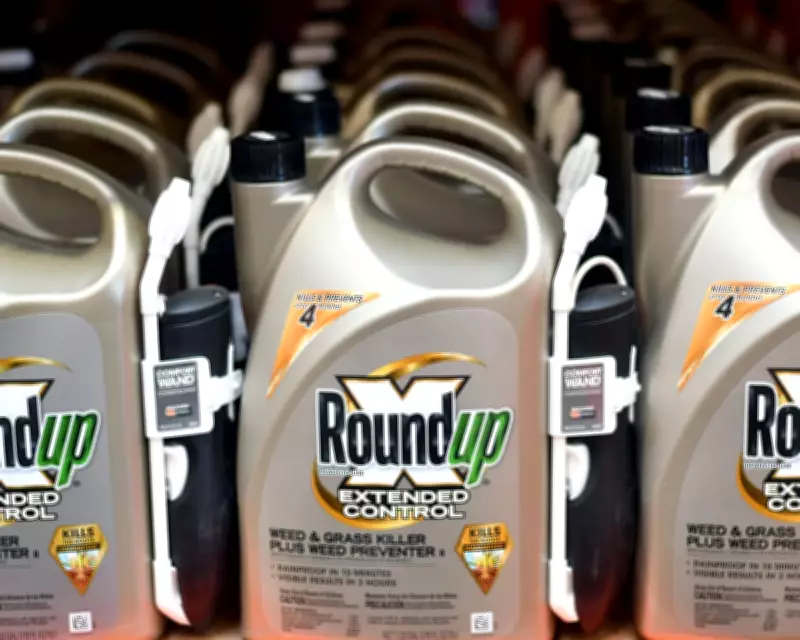
Bayer Announces $7.25 Billion Proposed Settlement in Roundup Cancer Lawsuits
Agrochemical giant Bayer and attorneys representing cancer patients have unveiled a proposed $7.25 billion settlement on Tuesday, aiming to resolve thousands of US lawsuits. These legal actions accuse the company of failing to warn consumers that its widely used weedkiller, Roundup, could potentially cause cancer. The announcement marks a significant step in a long-running legal battle that has threatened Bayer's operations in the United States.
Legal Context and Supreme Court Involvement
The proposed settlement emerges as the US Supreme Court prepares to hear arguments on Bayer's claim that the Environmental Protection Agency's approval of Roundup without a cancer warning should invalidate state court claims. Importantly, this specific Supreme Court case would not be impacted by the new settlement agreement. However, the settlement is designed to mitigate risks for both Bayer and patients seeking damages, providing a more predictable outcome regardless of the eventual court ruling.
Germany-based Bayer, which acquired Monsanto, the original maker of Roundup, in 2018, continues to dispute allegations that glyphosate, the key ingredient in Roundup, causes non-Hodgkin lymphoma. Despite this stance, the company has acknowledged that escalating legal costs pose a threat to its ability to continue selling the product in US agricultural markets. Bayer CEO Bill Anderson stated on Tuesday, "Litigation uncertainty has plagued the company for years, and this settlement gives the company a road to closure."
Settlement Details and Approval Process
The proposed settlement was filed in the St. Louis circuit court in Missouri, which is home to Bayer's North America crop science division and has been a focal point for many of the lawsuits. The agreement still requires court approval to proceed. If approved, it would resolve a substantial portion of the litigation, offering compensation to thousands of plaintiffs while allowing Bayer to move forward with reduced legal exposure.
This development highlights ongoing concerns about pesticide safety and corporate accountability in the agrochemical industry. As Bayer seeks to navigate these challenges, the settlement represents a critical effort to address consumer health claims and stabilize its business operations amid persistent legal pressures.